
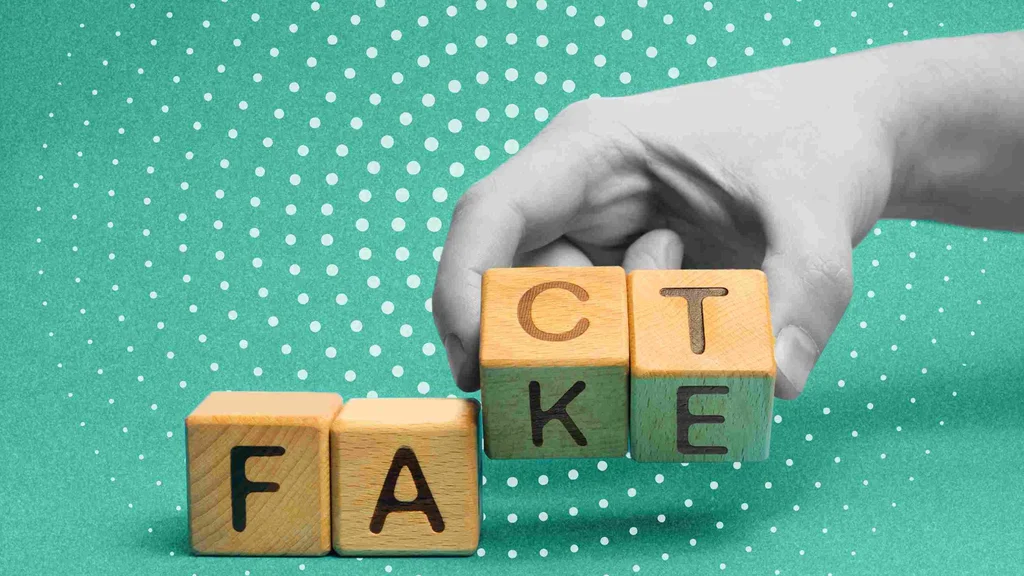

The news media used to be pretty simple. Most people would read the daily newspaper that arrived on their front porch and watch the nightly national news channel of their choice. There was far less to consume, scrutinize, or fact-check prior to the internet age. Today, though, access is unlimited and the proliferation of new sources seems infinite.
The internet and the subsequent onset of Web 2.0 forever changed mankind’s access to information. Web pages moved from static to dynamic, user-generated content exploded, and the rise of social media platforms like Facebook and Twitter rewarded engagement over accuracy. This has blurred the lines between reliable, fact-based reporting and opinionated, poorly-sourced, or outright fabricated news, making it harder to discern what is and isn’t reliable.
The dissemination of erroneous content is occurring at an accelerated rate, with an additional landslide of pundits, trolls, and disinformation organizations helping to muddy the waters. In this environment, it’s critical that an added layer of analysis be applied to news—no matter where your information is coming from. Here are five things to consider the next time you’re reading a news article or watching a TV segment.
1. HAVE ALL THE FACTS BEEN SHARED?
One of the biggest issues with instantaneous information is the race for the big scoop. When there is breaking news, news outlets can get pretty far over their skis and end up reporting on things with very little corroboration. You often see this in the case of mass shootings, when a lot of shaky or outright incorrect facts are often shared.
Many of us have a tendency to want to get as much info as quickly as possible, but that’s bad if the media reporting the news is hypothesizing and extrapolating opinions that are not 100% factual. It’s best to wait until things have settled down and the real story starts to emerge before you trust what you read or hear from others.
2. IS ANYONE ELSE REPORTING ON THIS STORY?
Facebook is littered with articles claiming to have uncovered a bombshell news story—many of which end up having tens of thousands of shares. The vast majority of these bombshell reports either make a lot of unsupported inferences, throw a clickbait headline on a fairly boring story, or are simply an outright lie. There is financial motivation behind this—clicks and shares can mean big bucks for websites that are gaming the algorithms instead of conducting basic journalism.
According to Pew Research, 71% of Americans get at least some of their news from social media, with Facebook being the top source. This statistic will probably only continue to go up. But it’s important to remember that no major news story gets ignored by other outlets, and if you can’t find the same reporting from others, then you should be highly skeptical.
And if it’s not already obvious: never just read the headline.
3. IS THIS STORY TOO GOOD TO BE TRUE?
All of us are susceptible to confirmation bias. Websites know their readers would rather read feel-good stories instead of struggling with complex ideas that cause them to reconsider their strongly-held beliefs.
But echo chambers are built when people only access the information that reinforces their opinions. If you only read articles that make you feel like you have been right all along, then that’s a major red flag. The world is not black and white, and heroes and villains don’t exist like they do in movies. If the news never makes you question your own views, then you need to expand your reading list.
4. WHAT ELSE ARE THEY SAYING?
Legitimate news sources can—and have—made mistakes with their reporting. On the flip side, outlets that are far more suspect may occasionally produce an article that seems fairly legitimate and adheres to journalistic principles.
Look at other stories an outlet is promoting. Do they seem inflammatory, opinionated, or have clickbait titles? If so, a seemingly legitimate story should immediately be questioned. It may have omitted important information, deceitfully misquoted someone (one of the most pervasive misinformation techniques), or used a more neutral article to link out to pieces that are far more biased. And, as mentioned before, if this reporting is truly important, then other, more credible sources will report on it as well.
5. DOES THIS SOUND RIGHT?
When pieces of news are flying at you all day from so many different sources, whether or not something sounds right is actually one of the most important questions to ask yourself.
When it’s time to decide if an article passes the sniff test, take a step back and listen to your instincts. Does the piece feel balanced? When you think of objective, fact-based reporting, does this seem to hit the mark? You don’t have to be an expert journalist to feel that there is something not quite right about a news story. Taking that brief moment to question what you’re reading or hearing puts you way ahead of those who just consume what’s in front of them without any critical analysis. And even if you’re not 100% correct, a healthy dose of skepticism will help steer you toward more articles, and give you an even better understanding of what reliable news looks like.
It takes some work to identify misinformation, which is why it’s not nearly as common as it should be. We live in noisy, overwhelming environments. Media literacy will not only help you to have a clear understanding of what’s happening in the world, but also everyone around you who’s willing to listen.
Chief Strategy Officer at Seekr