

Predicting the unexpected is a tricky business. Especially in technology and business, where constant change and disruption are a given. But that won’t stop me.
Here are four trends that I expect to play out in 2023—all of which might defy conventional wisdom.
BEYOND THE AGE OF MALWARE: FROM DETECTION TO PREDICTION
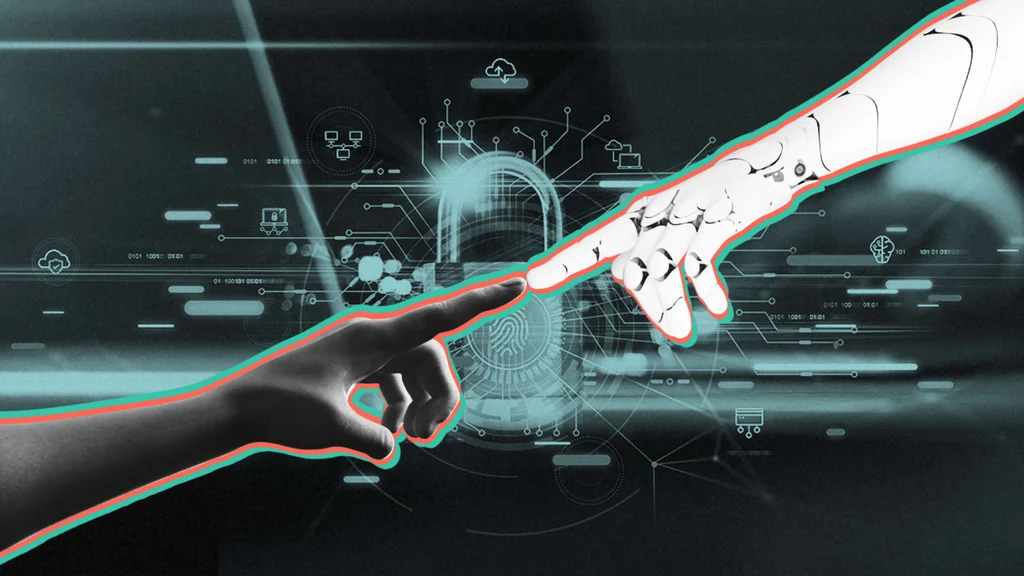
Threat actors are getting more sophisticated. With rapidly maturing hacker tool kits featuring modular malware and lowering the skill required to pull off an attack, many are increasingly focusing these advanced tools and tricks on workers instead of systems. These tactics are designed to manipulate employees into unknowingly allowing hackers to sidestep effective defenses like two-factor authentication. So, in 2023, I believe we will move beyond the age of simple malware, because simply detecting malicious code won’t be enough. The next evolution of security is about sensing anomalies and behavior patterns. All of which can indicate—and thereby predict—a breach. Advances in AI and machine learning can make this possible, and smart organizations should get ahead of this trend.
THE NEXT CRITICAL INFLUENCER FOR TECHNOLOGY PURCHASES? HR
Hybrid work has changed the dynamics of so much in our lives. And that includes the buying patterns within organizations. HR has traditionally focused on work-related software like Workday. But with hybrid work so essential to productivity and worker satisfaction, HR will continue to get more involved in technology and software, in many cases influencing decision-making. In 2023, look for technology to accelerate its profound impact on culture and employee experience—and for HR to expand its knowledge of and influence in all kinds of technology and software purchases.
IN THE WORKPLACE, CHOICE WILL WIN OVER OFFICE MANDATES
Another disruption from hybrid work? Employees won’t go back to rigid, in-office work schedules. Some organizations may choose to double down on workplace mandates in 2023, but I believe they’ll lose in the end. Smart companies will create a flexible, secure hybrid-work experience and a great physical workspace—one that people will want to visit, but only when they choose to or the work calls for it. Those organizations will win on talent, agility, sustainability, and worker satisfaction and will see long-term success.
WITH TRANSFORMATIVE AI, AN UPTICK IN TECHNOLOGICAL AND ETHICAL DILEMMAS
Despite years of promises straight out of sci-fi movies, AI and machine learning have pretty much stuck to relatively rote (but helpful!) tasks. But lately, I’ve been seeing some mind-blowing capabilities. DALL-E is just one example, with its ability to create sophisticated art from a verbal description. In 2023, I predict even more truly transformative AI use cases will no doubt emerge. AI engines will write code, be used to develop creative content, detect behavioral anomalies to prevent critical infrastructure, drive advanced robotics, and so much more.
This next level of AI, and the use cases that follow, will have big implications in 2023 and beyond—both good and bad. As AI continues to take over more important decisions that will impact our lives in myriad ways—who gets a job, who gets a loan, etc.—it can be affected by bias in programming. AI may also enable ever more advanced scams, identity thefts, fake videos, and so on. Despite the hugely positive impact AI can have, it’s more critical than ever that the industry ensures responsible, ethical uses, that guidelines are put in place, and, when appropriate, that restrictions win out.
In the coming year, these are the trends and issues I predict will matter most.
Jeetu Patel is the executive vice president and general manager of security and collaboration at Cisco.