
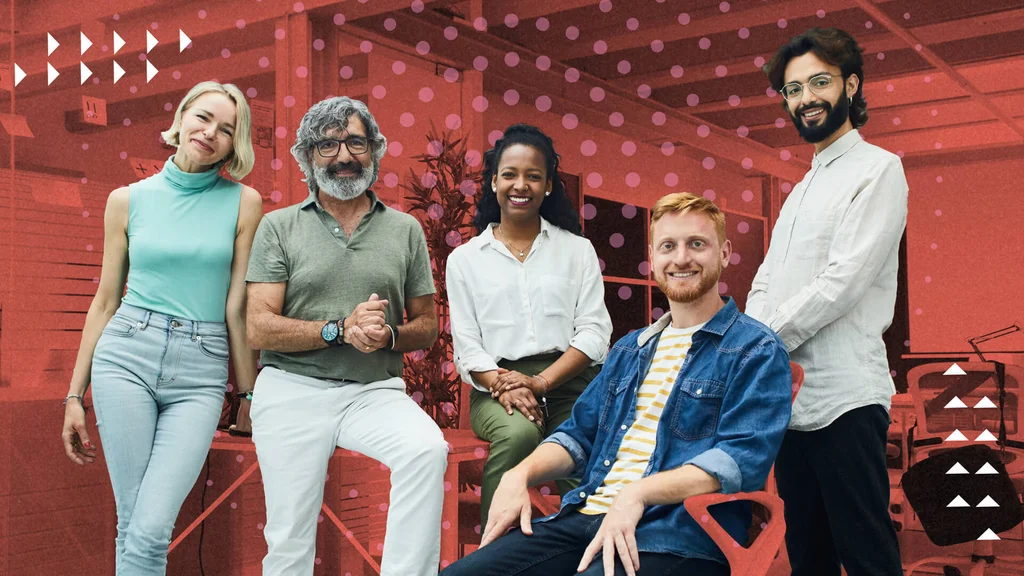
Today’s workforce is made up of four distinct generations—baby boomers, Generation X, millennials (Generation Y), and Generation Z. All of them contribute their perspectives, aspirations, and communication styles, and each generation’s specific economic challenges, health care issues, values, and work attitudes shape their benefits expectations.
Insights from the Marsh McLennan Agency report, “Employee Health & Benefits Trends: The Evolving Workforce,” show the nuances of intergenerational benefits expectations. While it’s evident that each generation has certain needs and preferences, a common thread binds them: the desire to find happiness at work. In this pursuit of workplace contentment, benefits play a pivotal role.
Many employers in 2024 understand the importance of prioritizing employee well-being, as it directly impacts workplace satisfaction and retention. Additionally, it’s clear that offering a diverse range of benefits can significantly contribute to employee satisfaction.
However, offering benefits alone isn’t enough. Employers must ensure effective communication to maximize their impact. Clear communication empowers employees to make informed decisions and utilize available resources, enhancing loyalty and retention.
In today’s competitive job market, superior benefits can attract and retain top talent, especially among millennials who prioritize benefits as part of compensation. Ultimately, employers who prioritize employee well-being can foster a more engaged, productive, and loyal workforce.
CREATING A UNIFIED EMPLOYEE BENEFITS STRATEGY ACROSS GENERATIONS
In a multigenerational workforce, understanding what motivates each generation and tailoring communication preferences are key to building a cohesive benefits strategy and earning employee buy-in. Businesses can create a single benefits plan that works for all generations by doing two things: recognizing the motivations of each generation and communicating benefits effectively.
1. RECOGNIZE THE UNIQUE MOTIVATIONS OF EACH GENERATION
Tailor benefits accordingly, such as offering flexible work arrangements for millennials and robust retirement options for boomers.
Baby boomers, born between 1946 and 1964, represent 14% of the global population and 18% of the U.S. workforce. They prioritize job security and value company loyalty. Their worldview revolves around the notion of achievement through paying one’s dues, embodying sacrifice for success.
Generation X, born between 1965 and 1980, makes up 19% of the global population. They also make up 31% of the U.S. workforce. They prioritize work-life balance and are motivated by diversity and personal-professional interests over company interests. Quick to leave if their needs are unmet, they exhibit resistance to workplace changes that encroach on their personal lives.
Generation Y, also known as millennials, were born between 1981 and 1996. They constitute 23% of the global population and 36% of the workforce in the U.S. They aspire to have freedom and flexibility in their careers. They are driven by job responsibilities, the quality of their managers, and unique work experiences. Millennials seek growth, development, and a fun work environment. They are swift to leave workplaces that resist change.
Then there’s Generation Z, born between 1997 and 2012. Comprising 25% of the global population and 15% of the U.S. workforce, Gen Z individuals seek security and stability in their professional lives. They are motivated by diversity, personalization, creativity, and individuality. Embracing independence, diversity, and innovation, they harbor concerns about the future.
2. COMMUNICATE EFFECTIVELY TO ENSURE EMPLOYEES UNDERSTAND THEIR BENEFITS
Employers often overlook the importance of tailoring communication methods to suit the preferences of different generations. A one-size-fits-all approach may not be effective, as communication styles vary widely among generations because of their cultural perspective.
Employers should invest in understanding and adapting to the communication preferences of each generation. For baby boomers, this may involve scheduling phone calls or face-to-face meetings to discuss benefits options. Gen X employees may prefer communication via text or email, while millennials and Gen Z may be more responsive to mobile apps or social media platforms.
Ultimately, you should know your workforce demographics, industry, and culture to tailor communications effectively. Then, offer personalized enrollment services and utilize technology for easy access to benefits information. After that, you can market benefits to employees like you market to your prospects and customers, ensuring messages stand out amid the daily email flood. Consider resources provided by your HR department and leveraging consulting services for effective implementation.
THE EVOLVING WORKFORCE
Highly energized employees are more likely to work for a company that delivers the benefits they seek, as health and total well-being have become central to the future of work for all generations. More is expected of companies than ever before. Understanding your employee makeup and its unique needs today can help strengthen your business to withstand the next generation of workforce challenges.