

Business is booming for premium spirits, and celebrities are acquiring a taste for the trend.
The global premium spirits market was valued at $157.9 billion in 2022 and is predicted to expand at a compound annual growth rate of 10.4% to reach $315.7 billion by 2029, according to data from Maximize Market Research. Analysis from IWSR, a market research firm specializing in the beverage industry, shows that premium spirits consumption tends to display resilience despite economic fluctuations, including slow, positive volume growth during recessionary periods.
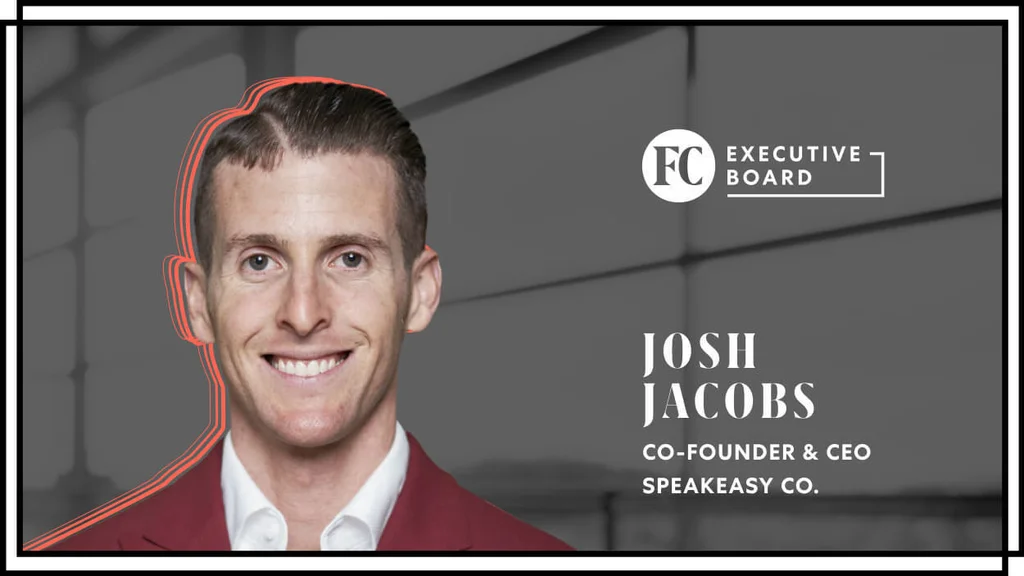
“Just like the rest of us, celebrities are taking an interest in premium spirits,” said Josh Jacobs, co-founder and CEO of direct-to-consumer spirits platform Speakeasy Co. “When executed correctly, a spirit brand’s collaboration with a celebrity can be a great way to offer instant credibility and massive exposure, transforming a brand’s reach, driving sales, and providing opportunities for ongoing engagement with a celebrity’s fan base. But if it’s done poorly, it can come across as inauthentic and hurt both the celebrity and the brand’s reputations.”
Collaborations usually take one of three forms, with the celebrity serving as the founder, investor or spokesperson of the brand. Speakeasy’s e-commerce platform has supported a number of celebrity collaborations, including Tesla Tequila and CyberBeer and Elon Musk, Heaven’s Door bourbon and Bob Dylan, Whistlepig Whiskey and David Ortiz, Pantalones Tequila and Matthew McConaughey, and Knobel Spirits and Mike Rowe.
Speakeasy’s model allows partners to own the entire digital purchasing journey. Instead of routing traffic to third-party marketplaces, celebrities can drive consumers directly to their own websites. Unlike other players in the e-commerce alcohol space, explained Jacobs, Speakeasy employs centralized fulfillment.
“Leveraging our own Speakeasy warehouses enables us to handle unparalleled scale and complexity, as well as flexibility, including the ability to go beyond the bottle,” said Jacobs. “Something that is really valuable when partnering with celebrities is creating a unique offering. For example, we had signed guitars from Nick Jonas for his brand, Villa One, and signed WhistlePig Whiskey bottles from David Ortiz. Most retailers lack the warehousing capacity, trained personnel, and infrastructure to support this type of product; it requires a unified fulfillment structure for streamlined delivery.”
Jacobs outlined four key elements he believes are crucial to success for a celebrity collaboration with a spirits brand.
1. AUTHENTIC ALIGNMENT OF VALUES
Celebrities should be genuinely aligned with a product and its core message and brand. Ideally, they have an understanding of the quality of the product and are actively involved in the brand.
“If a celebrity’s involvement is inauthentic and a clear money grab—for example, when celebrities are affiliated with a brand or product they know little to nothing about, or as we have seen, their values even clash—at a minimum the likelihood of success is low, plus there is a chance of damaging backlash,” explained Jacobs.
2. AUDIENCE OVERLAP
The demographics of a celebrity’s following should intersect with the target consumer base of the brand.
“If there’s little overlap, then the collaboration is unlikely to drive material conversions, and what’s key for evergreen brands, repeat purchases,” said Jacobs.
3. ACTIVE PROMOTION
Celebrities must be actively involved in promoting the brand across all their channels and leveraging their resources to drive authenticity and maximize reach.
“We have seen instances where a celebrity might announce their affiliation with a brand a single time, or where a brand is solely promoting the affiliation, but that celebrity is otherwise uninvolved,” said Jacobs. “And generally, this dynamic has not led to as positive outcomes in our experience.”
4. HOLISTIC MARKETING CAMPAIGNS
A well-structured, robust launch campaign that spans various channels and incorporates both organic and paid media support can significantly impact the outcome of a collaboration.
“When it comes to working with brands that have celebrity partners, regardless of their reach, we always recommend a cohesive launch and an announcement schedule,” said Jacobs. “Brands should have tracking pixels implemented, a robust and synergistic plan across channels, and consider paid media in addition to organic. We collaborate with our partners to review these elements, ensure all valuable data is captured, and amplify their messaging through paid advertising to achieve key objectives.”
Ultimately, a successful collaboration between a celebrity and a spirits brand is based on building trust and engagement with both audiences. And when a partnership clicks, the rewards can be considerable.
“Here are just a handful of the many successful launches we have supported,” said Jacobs. “One celebrity-backed brand sold close to 2,000 bottles bundled with merchandise, generating nearly $300,000 in under two months this year. A second sold over 10,000 bottles, earning roughly $695,000 in one month. Another brand partnered with a celebrity to collaborate on a drop of a new SKU, which sold 3,819 bottles in just 14 days, generating over $200,000 in revenue. And lastly, a launch sold out of 20,000 units in 40 minutes and generated $5,000,000. It’s undoubtedly a massive investment to pull off a celebrity partnership, but success is feasible by leveraging this playbook, and the potential for brands is transformational.”