
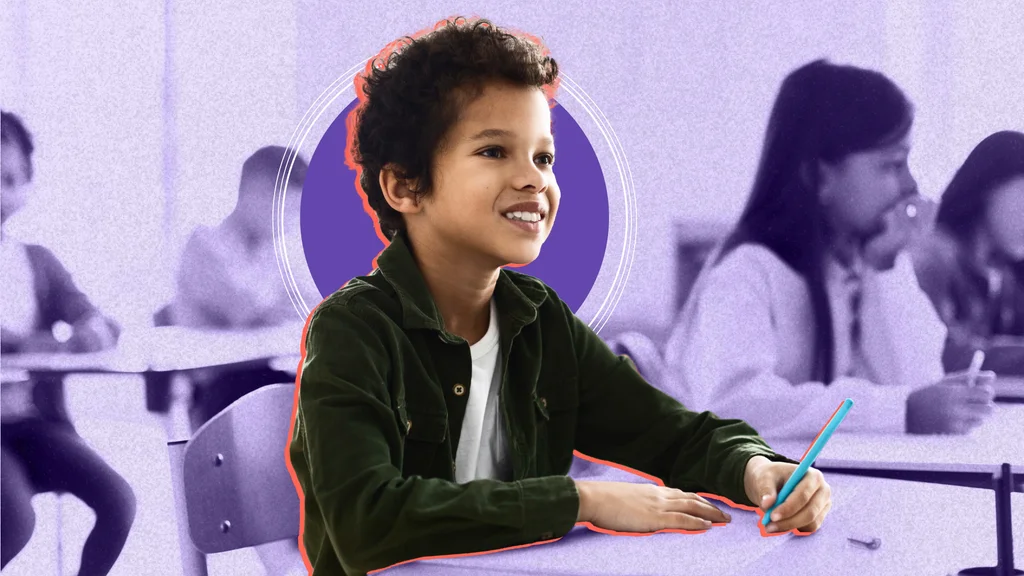

As any parent knows, children spend a remarkable amount of time in classroom environments, with education being foundational to their formative years. Even so, there remains an urgent and growing need to upgrade learning spaces as more students than ever before are facing regular distractions, extreme heat, poor air quality, and other preventable challenges in their classrooms.
While largely unspoken, the issue is a direct consequence of aging facilities, with many boasting operational life spans of more than half a century. Naturally, without upgrades, replacements, or major repairs, classrooms begin to deteriorate and reflect their age. Heating, ventilation, and air conditioning (HVAC) systems start to falter in schools, plumbing systems experience frequent leaks and blockages, electrical systems become less reliable, and outdated building envelopes lead to uncomfortable classroom temperatures.
Students are facing a difficult situation in the wake of the pandemic, with classroom scores down and absenteeism up. Clearly, the status quo isn’t working. To help equip our kids with the best education possible, it’s long past due that education leaders invest in sustainable and cost-effective building upgrades that can foster academic excellence through indoor health and comfort for years to come.
UNCOMFORTABLE AND DISTRACTING CLASSROOMS HAVE BECOME THE NORM
With the spring and summer months upon us, educators across the country are once more rolling out DIY solutions to freshen up, re-energize, and make their classrooms as healthy and comfortable as possible. From distributing mobile fans and air purifiers to refurbishing (as best they can) old equipment and patching leaks, educators work overtime in an effort to keep their classrooms—and our children—cool, comfortable, and healthy. Though well-intentioned, these solutions are a Band-Aid fix at best and are increasingly ineffective in providing kids the relief they desperately need and deserve.
The impacts of these impediments can be alarming, with students becoming prone to lightheadedness, difficulty focusing, increased anxiety, and a general sluggishness that makes learning especially difficult. And for students with conditions like asthma, diabetes, or seizure disorders, outdated classrooms can even pose a health hazard.
A WIN-WIN-WIN FOR CHILDREN, EDUCATORS, AND THE CLIMATE
For educators, being able to provide a comfortable and secure learning environment makes all the difference. Schools that are equipped with modern building systems and technologies see far lower rates of student absenteeism and failure relative to those that are outdated. Cool, healthy, and distraction-free classrooms are also more inclusive for students with disabilities, learning difficulties, or medical preconditions, ensuring that no one is disadvantaged in their studies.
Fortunately, there are plenty of cost-effective building upgrades that can help students perform to the best of their abilities. For instance, a growing number of schools have begun testing the use of green roofs, wherein layers of vegetation are planted over a waterproofing system to support natural growth and biodiversity. In addition to improving the energy efficiency of schools through enhanced insulation, the natural processes undertaken by green roofs offer effective classroom temperature regulation.
Taking this logic into the classroom, other schools are also experimenting with the benefits of living green wall “biofilters.” On top of offering an appealing ambiance and filtering the air, a growing body of research shows that indoor greenery can reduce student and educator stress while offering the chance to educate about sustainability, something an overwhelming majority want to do.
Upgrading HVAC systems is another route schools can go to improve the health, comfort, and sustainability of learning environments, particularly for schools that employ oil or other fossil fuel-fired boiler technology (full disclosure: Legence provides this service). Nationwide, schools spend more than $6 billion on heating every year, amounting to the second largest line item for school districts.
With efficient HVAC upgrades, facilities can massively slash their heating and cooling bills, freeing up tens of thousands of dollars every year that can be reinvested back into schools to enact real change. Imagine what those savings could do for our students, from hiring more educators to expanding after-school programs.
HOW EDUCATION LEADERS CAN APPROACH SUSTAINABLE SOLUTIONS
Teachers need more support in nearly every aspect of their jobs, from more time for lesson-planning to overall compensation. Stakeholders who manage building operations can leverage educators’ firsthand experiences, recognizing that educators are most familiar with the pain points in their own classrooms.
Educational leaders can survey teachers to understand their perspectives on the top issues and couple those insights with a formal energy audit to understand the full picture of a facility, how inefficiencies can be addressed, and how much upgrades will cost. Teacher surveys and energy audits are some of the most productive and fundamental first steps to understanding the unique needs of each facility and making improvements that will have the most significant impact on student comfort, outcomes, and sustainability.
FINAL THOUGHTS
Sustainable building upgrades offer educational facilities—many of which are large, old, and inefficient—a means of moving into the 21st century, much to the benefit of students and educators. Investing in new building systems, whether natural or technological, offers schools a well-rounded and cost-effective strategy to improve student health, well-being, and academic performance.
At the same time, slashing emissions and energy costs makes these types of building upgrades particularly attractive for their ability to move the needle on both climate change and student outcomes. Indoor environments are key determinants of everyday health and well-being, so we owe it to our kids to ensure their classrooms are safe and comfortable. Sustainable building upgrades can deliver on this imperative.