

When something scares you, what’s your gut reaction? Do you dodge it, chip away at it slowly, or face it head-on?
As entrepreneurs, fear is a big part of our job. We’re all familiar with the usual suspects: fear of embarrassment, fear of missing out on a valuable opportunity, fear of not being good enough (imposter syndrome, anyone?), and of course, the fear of failure.
After starting Wistia with my co-founder, Brendan, and growing it over the past 18 years, we’ve faced fear head-on and learned this: fear is a killer in the startup world. It can stop the most talented entrepreneurs before they even begin, holding them back from chasing ideas that could change everything.
Afraid to pitch that investor? Nervous about launching that newsletter? We’ve all been there. But here’s the thing: tackling those fears head-on is exactly how you win in business.
Why? Because taking risks is how we grow and innovate. If you aren’t scaring yourself and failing along the way, progress will be slow to come by. Some of the best lessons I learned began with failure.
HARNESSING YOUR FEAR
The most successful founders know how to manage fear and turn it into fuel for themselves and their businesses. This is easier said than done. I’m still learning how to harness fear myself, but here are some tips I’ve learned along the way:
Don’t Overthink
When I have the choice of how to react to a situation that I’m fearful of, I prefer to address it as quickly as possible by running face-first into the fear.
I assess the situation and if the fear is driven by something I can control, I prefer to handle it head-on.
The faster I can compress the time fear has to mess with me, the better. It stops me from overthinking and keeps me from getting stuck. Plus, it speeds everything up—face the fear, take the risk, and move forward.
Separate Fear From Excitement
Fear and excitement can feel weirdly similar—especially when you care deeply about the situation. The key is learning to separate them. Recognizing that what you’re feeling might actually stem from excitement and passion can help you clear your head and make better decisions.
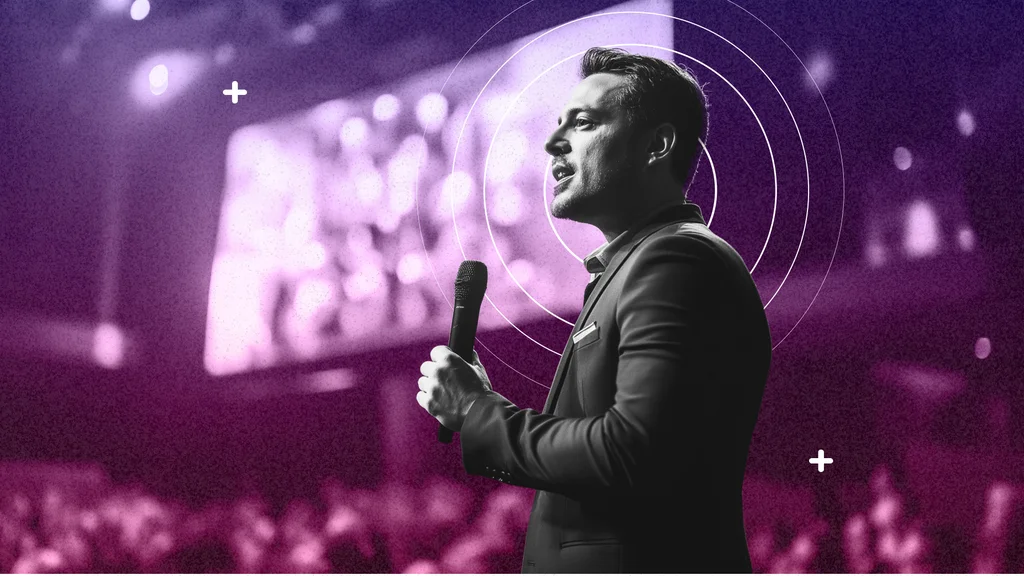
Take public speaking, for example. You might think, “Why can’t I stop obsessing over this?” At first, it feels like fear—because you care what people think. But that care? That’s passion. That’s excitement about connecting with an audience. And if you can channel that energy, you can flip it from fear to fuel.
It’s all about recognizing the difference. Fear holds you back; excitement pushes you forward. Use it.
Don’t Fall For The “Spotlight Effect”
Many of us fall victim to the spotlight effect, which is when you overestimate how much others are noticing and focusing on your actions.
In reality, others aren’t paying as close attention to you as you think, especially when you’re first getting started with a company. You are also often your own worst critic. Go launch that newsletter. Start that LinkedIn page. It might be your first step toward the most remarkable thing you ever do. The best part about starting is that nobody is looking. Of all the times to fail, it’s the best.
So yes, being an entrepreneur is all about fear. Fear of failing, fear of making the wrong decision, and sometimes even fear of success.
At the end of the day, the difference between winning and losing is simple: how you face your fears. Don’t let fear dictate your future. Feel it, lean into it, and take the shot anyway. That’s where growth happens.