
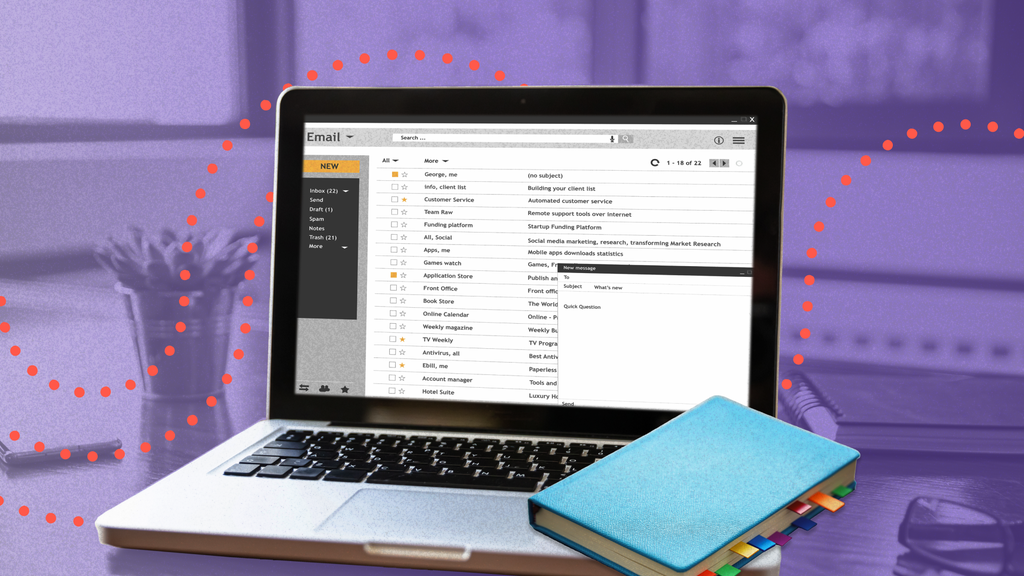

In my 15+ years as a business owner, I’ve seen various platforms come and go. We all know social media made an impact on how businesses promote themselves and connect with customers, but how about the grandfather of social media?
I’m talking about email marketing. Whether you use it as a weekly or monthly newsletter, to promote products, or simply to keep in touch, email has stood the test of time. Frankly, I don’t see it going elsewhere.
So that begs the question: What are you doing with email today? Some people may have a list, but as far as the email recipients are concerned, you’ve likely dropped the credentials. I want to talk about how you can revive your email list and make the conversations (and the transactions) happen again.
STEP 1: BRING CUSTOMERS BACK
Too many business owners think they need to ‘start fresh’ when they decide to re-engage with their email lists. We’ve found the exact opposite to be true. Even if your list is small, it’s likely you’ve got a list of people who bought from you at one point or were willing to give you their email because they believe in your cause or business.
So how do you re-engage a group of people who haven’t heard from you in months (or maybe years)? Drop a line like, “Hey, I dropped the ball.” Or, “I haven’t done a great job at keeping in touch.”
Next, follow it up with the CTA. Ask if they can share what’s going on in their lives or business. Then ask what you can do to help them out. Even if you don’t sell something they need, perhaps you can give a recommendation based on what they share and who you know.
STEP 2: THE FOLLOW-UP
Next comes the most important part. If you decide to deploy a marketing strategy to re-engage with customers, make sure you’re ready for the influx of replies and requests.
In fact, customers may be so delighted to hear from you when they decide to repurchase. If you offer a one-time product, your email may be a good opportunity to suggest gifting your product.
Another way to use your re-engagement emails is to ask for feedback. How did your product or service result in someone changing their problem or situation?
Lastly, if customers get specific about how you can help them, make sure you have your contacts and time ready to fulfill their requests. Remember, the extra time you take to deliver on what you asked for will pay dividends in the future.
WHY IT WORKS
Whether you’ve heard of customer engagement tactics or not, it’s important you familiarize yourself with best practices and why they work specifically. Let’s take a look at what it means to your customers when you take the time to re-engage with them.
• People see your ability to be humble and desire to reconnect. When you’re able to find your authentic voice and reassure your customers you haven’t gone anywhere, people feel a sense of caring. They want to know they haven’t been forgotten about and in return, they will appreciate your ability to ‘call yourself out.’
• People see you have a fresh perspective. Typically when we reach out to someone after a period of time away, they want to know what the ‘big’ change is. Obviously, something new is there and people’s curiosity will drive them to respond to your email.
• People appreciate your “serving” mentality. A key component of the re-engaging email is to reach out to people asking what you can do for them. Not only is this coming out of the blue, but when you really mean it and your voice shines through, they will take you up on your offer.
Re-engagement emails can be a real game-changer. Don’t be extra hard on yourself by trying to start fresh. Simply take your list of emails and re-engage their interests. Be ready to serve their requests while being prepared for a possible influx of repeat orders.
Solomon is a sales and marketing guru who has built a number of successful companies over the last decade. Read more at Thimothy.com.