
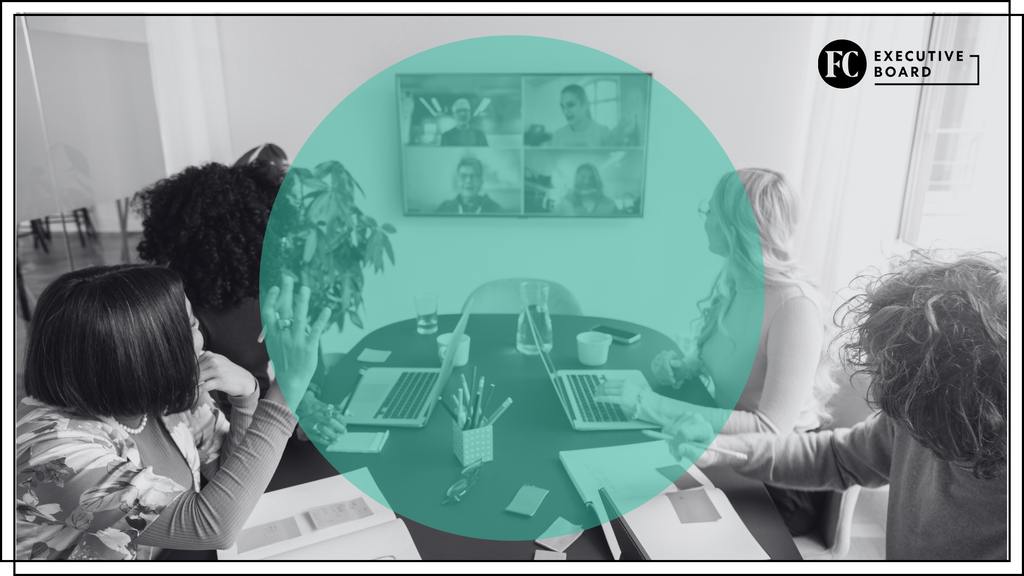

Hybrid work fundamentally changes the structure of the workday. Employees are no longer moving between two distinct environments—work and home. They’re experiencing both simultaneously. They’re answering emails while waiting for a repair technician, taking a work call before picking up a child from school, or stepping away to care for an aging parent before jumping back into meetings.
While many employees value that flexibility, they’re also trying to meet the expectations of a traditional workday that was designed for yesterday’s workforce. They rarely feel fully present at work or fully present at home. Over time, that constant tension creates stress, makes it harder to disengage from work, and ultimately affects engagement and performance.
Global employee engagement has declined for the second consecutive year, costing the global economy an estimated $10 trillion in lost productivity. Many organizations are raising their in-office expectations to strengthen collaboration and culture. But hybrid work remains the dominant model for remote-capable employees, with 52% continuing to work in a hybrid arrangement.
The problem isn’t hybrid work itself. The problem is that leadership hasn’t evolved enough alongside it. Traditional assumptions about how to manage the workday and foster productivity and accountability no longer hold true, yet too many leaders continue to manage employees as though they do.
LEADERSHIP HASN’T CAUGHT UP TO HYBRID WORK
For decades, the office itself created many of the expectations around work. It established when work began, when it ended, how employees collaborated, and how managers observed performance.
Hybrid work removed much of that built-in structure, but it didn’t remove expectations for performance. That’s why leaders can’t rely on the workplace to create consistency anymore. They must create it themselves through clearer expectations, more intentional communication, and ongoing feedback.
Here are some of the practices I’m piloting with my own team that have become game changers.
- Understand that much of an employee’s stress has nothing to do with work. They’re caring for an aging parent, supporting a spouse, or managing challenges at home. Leaders have to ask, “What’s going on? Are you okay?” It’s okay to encourage someone to take a mental health day when they need it. It’s also okay to hold them accountable professionally. Those two things are not mutually exclusive.
- Don’t assume anything. Leaders can no longer assume employees know what’s expected of them. Instead, they must define the beginning and end of every project, establish clear benchmarks, and hold people accountable to them. It may feel like micromanagement at first, but in a hybrid environment, clarity on roles, responsibilities, and deliverables creates accountability.
- Have the conversations most leaders avoid. Hybrid work demands more communication, not less. Set clear expectations around deadlines, quality, and availability. Give feedback early instead of waiting until work falls short. If a project needs to be submitted earlier next time to allow for revisions, say so. The best leaders use uncomfortable conversations to create clarity. In a world where artificial intelligence is changing the nature of work, clear communication, accountability, and feedback will be more important than ever.
- Revamp the workday totally—for each employee. If employees are taking two hours in the middle of the day to care for children or help a family member, acknowledge that reality instead of pretending everyone is working a traditional 9-to-5 schedule. Flexibility is part of hybrid work, but it must come with accountability. The focus shouldn’t be on hours worked. It should be on whether work is thorough, deadlines are met, and expectations are clear.
- Define the in-between-the-lines work. Every role includes responsibilities beyond the task list, whether that’s building client relationships, collaborating with teammates, or taking initiative. Review job descriptions regularly and ensure employees understand the full scope of their roles—not just the next assignment.
THE WINDOW TO ADAPT IS NOW
Leaders who continue managing people with assumptions built for a legacy shared office environment will keep running into the same engagement problems because they’re trying to solve the wrong problem. The impact isn’t simply that people leave—which they might—but also that the organization’s leadership model has become increasingly disconnected from the reality of how its workforce operates.
Employees continue feeling misunderstood. Managers continue to feel frustrated because their old management techniques no longer produce the same results. Productivity conversations turn into arguments about location rather than clarity. Burnout initiatives focus on reducing workload when the real issue is trying to play two roles at once. The organization keeps adjusting around the edges rather than redesigning how workers work and leaders lead.
Companies that get this right will build the foundation for the next decade of employee engagement and wellbeing strategy. Everyone else will continue reacting to symptoms—whether that’s declining engagement, return-to-office debates, or burnout—without addressing the structural mismatch that’s really underneath.
Alison Myers is president of Venbrook.