
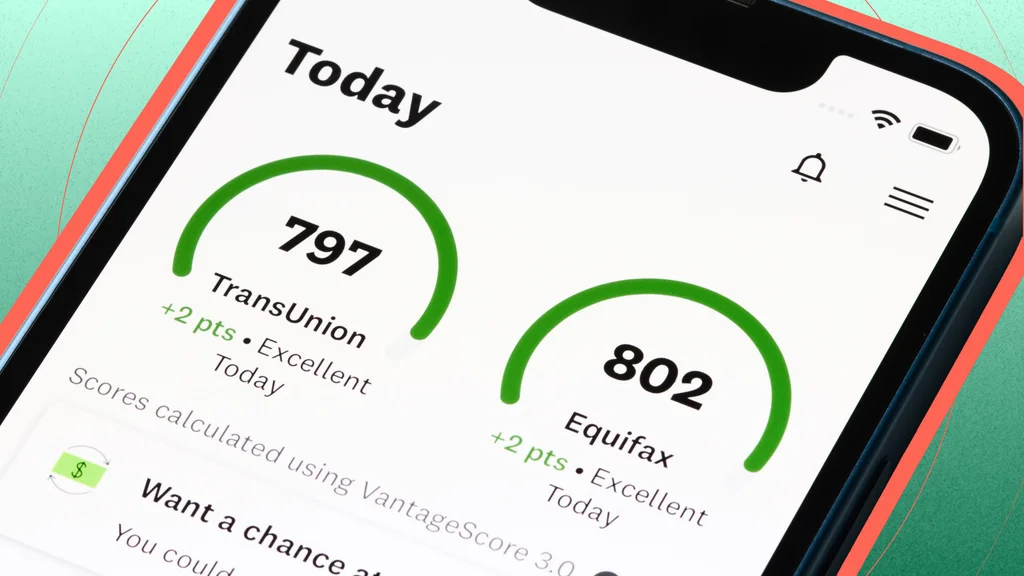

Last year, I was asked to review the Intuit Credit Karma app based on things like discoverability, ease of use, and the actual value delivered to members. After evaluating the app, I decided it was time to redesign it.
Like many startup founders, my role at Credit Karma over the years has shifted away from product development toward scaling the business and increasing revenue. And, while I never lost sight of our mission, I became less involved in making decisions about how we delivered on that mission—especially as we expanded our product to address more of our members’ financial needs. As a result, the product lost some of its focus and our members received a less streamlined product experience. This can happen when you try to prioritize the needs of every member.
This problem isn’t unique to Credit Karma. We’ve seen this play out across a number of platforms, including Amazon, Facebook, and even TikTok. As startups work to solidify revenue streams with limited surface area within a single application, it becomes easier for product decisions to become siloed as teams fight for real estate. How companies course correct once they get to this point makes all the difference to their users.
For us, that meant completely redesigning the Credit Karma app to deliver a better, more personalized product experience to our more than 130 million members. The recasting of our app also served as a foundational move to further scale GenAI on our platform, ensuring AI could be seamlessly integrated across the platform.
Here’s my advice for founders who don’t want to compromise on their product, their mission, or their revenue:
DELIVER CONSUMER VALUE FIRST AND FOREMOST
When we first launched Credit Karma, we offered a destination for consumers to check their credit scores and reports for free. This didn’t exist at the time. We firmly believed consumers had the right to know their credit scores so they could take actions to improve them. Of course, we still needed to make money.
Back then, we had two streams of revenue: advertising and financial partners. Advertising proved to be a lucrative revenue stream, but we still struggled to onboard partners onto our platform. This was a problem because our members didn’t receive much value from advertising and we weren’t actually helping them obtain the financial products they wanted. So, we deprioritized our ads and forfeited short-term revenue to focus on bringing more financial partners onto the platform.
Now, 17 years later, we’ve reassessed inconsistencies in our product experience to ensure we’re still delivering value to our members. The reimaged app experience prioritizes pertinent financial information, personalized for each member. Today, when a member enters the app, they can receive a snapshot of their key financial metrics like their net worth, debt, and property. This provides instant value to members by helping them easily monitor and track their finances with few distractions.
DRIVE ENGAGEMENT, NOT CLICKS
Click-through rates are great, but they only matter if they drive meaningful engagement for the end user. At Credit Karma, we aim to provide members with personalized information about their finances and leverage what we know about them to surface relevant content to educate them. That way, when they decide to take out a financial product, they’re informed about their decision and can manage the product responsibly.
However, as we added more partners to our platform and expanded our product, the app became crowded and difficult for members to parse through. We were no longer reducing the cognitive load for members and, in some cases, we were making it more challenging for them to know which financial action or product made the most sense for them and why. We needed to make a change.
To adjust, we needed to align internally about how to leverage our data to deliver highly personalized recommendations and make relevant information more discoverable for our members. This involved rolling out a new generative AI-enabled tool that takes the information we have on our members to provide objective recommendations to help them improve their finances.
DON’T SHIP YOUR ORG CHART
Product design should be optimized for the end user, not your org chart. That’s why it’s crucial for product teams to work cross-functionally to ensure they’re developing a cohesive product experience. Otherwise, they can end up competing against each other for real estate, which can lead to siloed product decisions and a disjointed user experience. To change this dynamic, take stock of how you’re allocating your talent and resources and make changes where necessary.
If your product feels like multiple products in one, look internally to see what changes can be made to support company- or function-wide initiatives. And remember, this is an ongoing process. You should regularly evaluate how the structure of your organization impacts the products you ship and be ready to make adjustments accordingly.
When it comes to product and organizational alignment, there’s no such thing as perfect—but there is better.