
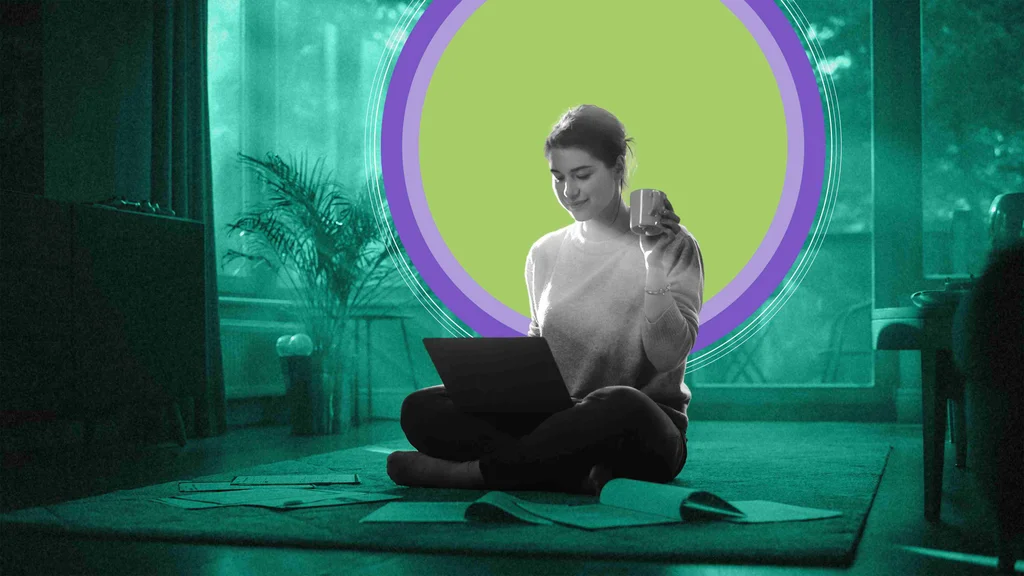

Like most of us, I’ve had to work from home occasionally. Doing so has opened my eyes to how different the experience of work can be in a new environment. I’ve discovered there are not only some misconceptions about what it means to be an at-home worker but also some significant hurdles they face that most in-office workers don’t.
Recently, I sat down with a friend who works remotely full-time, and I asked her what her biggest work challenges are. This is the advice I gave her on how to overcome those struggles.
ALWAYS FEELING ON
When you have a typical commute, you’ve got about half an hour one way to switch your brain into work mode. When you’re remote like my friend, though, the commute is however long it takes you to move from one room of your home to where your laptop is in the other. You can use the time you would have spent commuting to do more real work. That can be great for productivity, but it can also make you feel like all you do for the entire day is work.
The first order of business to prevent this feeling is to schedule breaks. Don’t just say you’ll hit pause—put the breaks in your calendar just like you would other tasks or meetings. For some people, formalizing the break like this can increase follow-through by increasing feelings of commitment.
Second, set yourself up in a separate space so you can mentally draw a boundary between work and leisure. Your brain takes cues from your environment, so when you move into or away from a designated work space, the transition between work and non-work mode can feel a little easier. Your boundaries might look different than someone else’s, and that’s okay. My friend currently has her work setup in her living room, and she’s come to realize it would be helpful for her to have a room dedicated solely to work so she can more easily switch out of a working mindset into a more relaxed one when she signs off for the day. Others might not need a completely different room but rather just a certain corner of the house. However you draw these physical lines, create some specific rules of engagement that will help you stick to them, such as not sitting on the couch in front of the TV with your laptop after 6:00 P.M.
BEING PHYSICALLY STUCK IN ONE PLACE
Even if you’ve got a beautiful remote setup, it’s still not healthy to sit in the same place for hours at a time. It’s easy to do this working from home because you don’t have to move to conference rooms or other spaces. This reality doesn’t just apply to your physical well-being. If you never move, you never receive new input from your environment that can stimulate your brain and help you maintain a positive mood.
So commit to getting up and moving. Ideally, get outside. Research confirms that being outside is restorative and has creative benefits. I recommend trying to get out at least twice a day.
LACK OF INTERACTION
As an office worker, I might bump into people between meetings. I can go across the building to the cafeteria and chat with people at lunch. When you work remotely, those little connections that allow you to truly disengage from work tasks don’t happen. You can become more isolated. In fact, a survey from CCS Insight found that lack of interaction is the top concern for remote workers.
To make sure you don’t feel alone or unsupported, make an intentional effort to use some of your downtime to stay social with your coworkers. You might send a coworker a friendly message through Slack, or whatever platform you use, to ask what they did over the weekend. If you have some teammates you go to lunch with when you’re onsite, try having lunch together over Zoom.
There might be times when you have the opportunity to go into the office even when you’re primarily remote. When those opportunities come up, grab them. Many people on my sales team do this and I always hear the same thing: they tell me they love coming out to corporate and need to do it more often. As we all do, they need to feel that sense of belonging. Seeing everybody and interacting in one shared space helps meet that need.
POOR ERGONOMICS
How many times have you been in a Zoom meeting and seen somebody in a chair they absolutely should not be sitting in for eight hours? What about the classic laptop-on-a-UPS box?
These setups might be fine if you do a shift at home once in a blue moon, but if you know that remote work will be consistent for you, they’re not going to work. Protect yourself physically by getting a chair, desk, or sit-stand station that works for you. With a bit of creativity, these pieces can even be integrated into smaller spaces.
I know what you might be thinking: money is tight and some of these items aren’t cheap. The first solution is to ask your employer to cover the cost—many companies are willing to do this for permanent employees who spend most of their time offsite. If this doesn’t work, take all the money you would have spent on gas, tolls, or fare if you were traveling to the office and invest it in your home space. By doing that, you’ll stay healthier and feel more comfortable.
EVERYONE’S EXPERIENCE IS DIFFERENT
The experience of remote work isn’t going to be the same for everyone. Yet, most remote workers struggle with many of the same major issues as my friend. Those challenges—feeling always on, being physically stuck in one place, a lack of interaction, and poor ergonomics—are not insurmountable. They just take a clear vision of what’s healthy, safe, and productive over the long haul. Once you have that vision, commit to it and make gradual improvements, step by step.
Brendan P. Keegan is Chairman, CEO, and President of Merchants Fleet.