

Over the past decade, the exponential growth of digital connectivity has radically transformed retail. The rise of e-commerce, social media, and mobile has changed how consumers connect, shop, and engage, and redefined the competitive landscape in ways once unimaginable. As we look to the next decade, digital connectivity is set to reshape retail once again as connectivity enters our physical world.
Objects that were once inanimate will become interactive and intelligent, with the power to “speak” to customers, businesses, and systems. Products will become assets that generate ongoing value for brands through new business models and customer services. And if designed correctly, these smart, connected products will shape an entirely new paradigm for commerce, to the benefit of society and the environment.
CONNECTIVITY STARTS WITH A DIGITAL ID
While thriving in this next wave of digital transformation may seem daunting, digital IDs could provide a way forward.
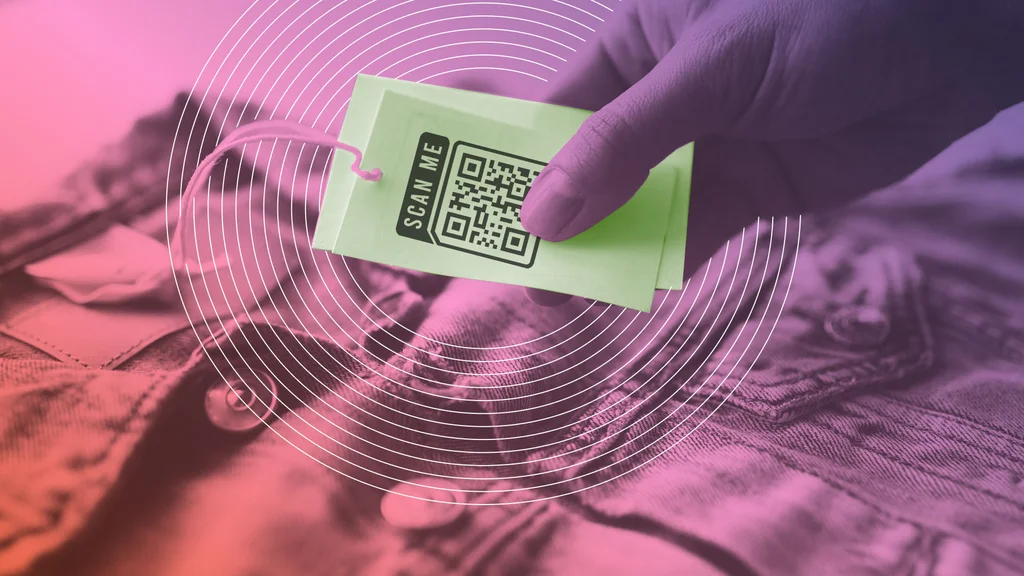
With a digital ID, a physical product—like a jacket, T-shirt, or chair—is associated with a unique, digital profile that stores and records a complete record of its lifecycle. Just as social media platforms give people unique identities online, digital IDs do the same for products. They give products a voice and enable them to be identified, managed, and monetized throughout their lifecycles, from origin through customer use, resale, and recycle. Products with digital IDs are interactive; they feature a “connected” label (such as a QR code or NFC tag) that can be scanned to gain access to their stories, confirm authenticity, and retrieve other embedded information.
The simple act of digitizing the world’s products could unlock a sustainable future for commerce. With lifelong connectivity to their products, retail brands can capture more value from each product and create new revenue streams. Business and environmental incentives can finally align. It’s a small shift that can trigger profound change.
DIGITAL ID AND THE FASHION INDUSTRY
While digital ID offers enormous possibilities for myriad industries, fashion retail is an early adopter of digitization at scale. Fashion brands are leveraging it to increase the potential of every asset—driving new business models, such as resale and rental; engaging customers through new services like digital wardrobes and virtual styling; and capturing real-time intelligence from customers’ everyday interactions with products.
At a time when advertising channels are increasingly saturated, fashion brands can use digital ID to turn their products into media channels that tell stories of provenance, deliver offers and discounts, and drive services such as easy re-order, styling, care and repair, and fast-growing models like resale. They can monetize their products throughout their lifetime, and capture more profit for every item.
So how can brands succeed?
To prepare for digital ID, brands should start with the basics. What are the initial priority goals of the implementation (i.e., resale, customer engagement, etc.)? Is the approach designed for scalability? Which products should you digitize first (bestsellers, a single collection, or all of them)? Is there collaboration across the essential cross-department teams (i.e., tech teams, marketing, and sustainability)?
Brands should partner with digital ID companies that are equipped to help them scale. The best partners focus on interoperability: each digital ID can be shared instantly with myriad applications and partners, unlocking previously unreachable business models and customer services. When digital ID is interoperable (able to exchange information with other systems), brands can earn an additional 40%-70% of the value of their connected products. Brands are also urged to use standardized data language to safeguard scalability from the start.
DIGITAL ID AND THE FUTURE
As connected products reveal previously unobtainable data, the realm of new, agile, real-time customer services grows more promising. Connected products can unlock the most valuable leadership tool of all: insights into real-time experiences, in-depth product trends and ownership information, and more meaningful consumer relationships. The new age of fashion retail has begun.
Natasha Franck is Founder & CEO, EON