

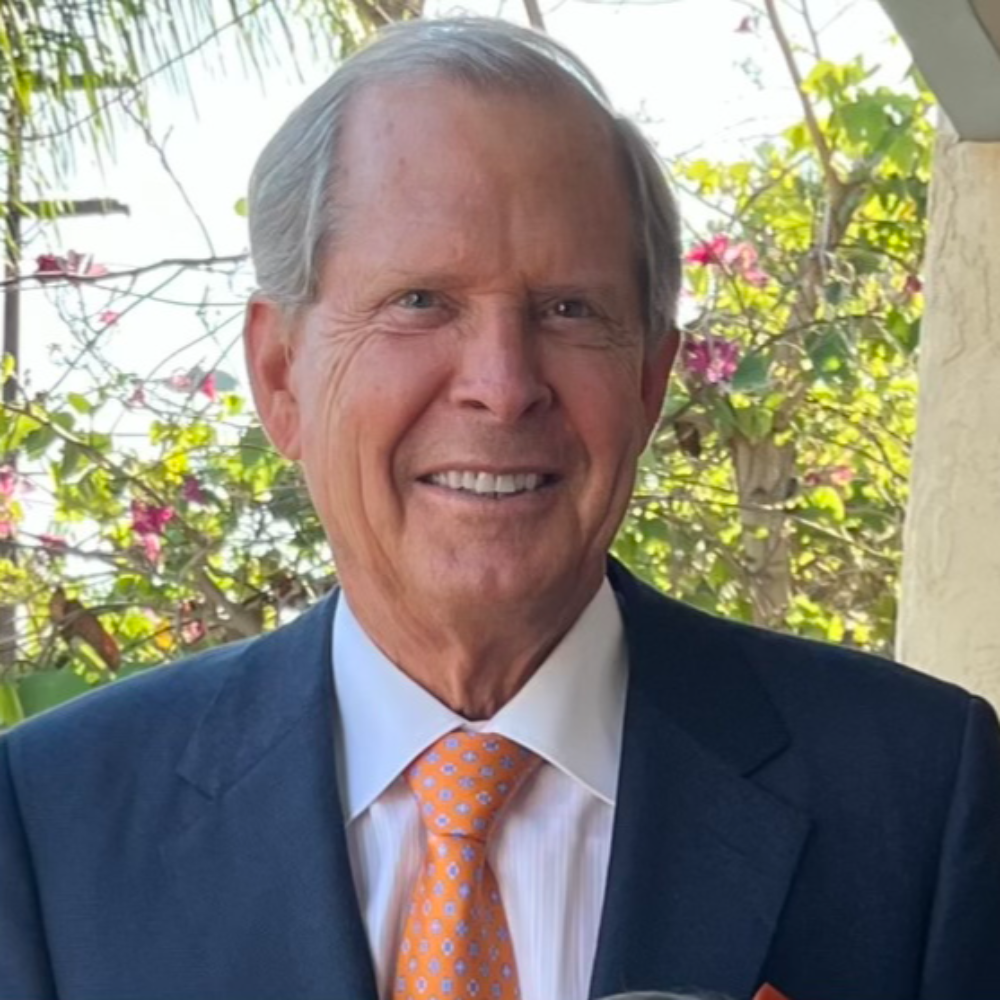
I acknowledge that I am a baby boomer. When my peers and I were beginning our careers, work experience was a critical factor in hiring someone. The problem was that, without previous experience, it was difficult to get a job, notably that first job. But without that first job, we boomers would complain, how could we get experience?
Some of us were encouraged by parents, teachers, and other advisors to get experience by any means possible—start at the bottom, accept very low pay, or even volunteer. Making money would come later. But the point is that youth had its disadvantages.
Today, a different story seems to be unfolding, at least in the technology sector. There is evidence that youth, energy, exuberance, and creativity are more valued than experience and wisdom developed over time. Older workers, however, still hold great value for enterprises as mentors to a nascent workforce.
THE CANARY IN THE COAL MINE
In 2019—a full seven years ago—CWJobs, a United Kingdom tech recruiting company, found that information technology and other tech sector employees were starting to be subject to age discrimination before they even turned 40. In fact, a CWJobs study found that ageism began to raise its ugly head when those workers approached 30 years of age. Fully 41% of workers in IT had seen age discrimination firsthand, whereas only 27% of workers in other industries had observed it. Some workers reported feeling older at the ripe old age of 37.
Have things changed since then? Or was this a sign: The proverbial canary in the coal mine?
More recently, an article in LeadDev focused on a second concerning trend—layoffs and “hiring stagnation” forcing younger workers out of the tech sector, including in artificial intelligence roles. Just what is going on?
The proliferation of AI since ChatGPT was thought to be a threat to younger workers who might be easier to replace than seasoned workers. According to a Boston College study in 2026, “older workers in jobs with greater exposure to AI have seen relatively large increases in job exit.”
Clearly the impacts of technology, especially AI, on the modern workforce are still being sorted out.
MENTORSHIP AS THE SWEET SPOT
I am a huge believer in the priceless value of mentors. Their experience and wisdom can help direct, temper, and build on the boundless energy of youth. Early in my own career, people with much more experience than me helped me to avoid the same mistakes they made, but also to be bold when boldness was needed.
Those who have gone through business, economic, and globalization cycles have a seasoned perspective that younger workers can learn and benefit from. Recession? Not their first rodeo. War? Same thing. Shift from more human-driven to more machine-driven? That has been happening since the Industrial Revolution and accelerated since World War II.
I so strongly believe in mentorship that I have supported a mentorship program specifically for foster children through San Diego-based Promise2Kids. Last year, I pledged a $75,000 matching gift for Guardian Scholars so that mentorship in the form of personal and professional coaching would help these youth achieve their educational and career goals.
THRIVE BY STRIKING THE RIGHT BALANCE
Should you hire (and keep) those early careerists who need to be mentored or those who have the gravitas to serve as mentors? It should be obvious that having both is the key to business success even in the lightning-fast-evolving technology realm.
Is achieving that balance and making it work for your enterprise an easy leadership challenge to create and maintain a well-oiled machine? No.
Is achieving that balance and making it work essential to develop and maintain a nimble and highly competitive, yet also solidly grounded enterprise? Yes.
Don’t throw the babies out with the bathwater. But don’t throw the more mature ones out with the dishwater. Easier said than done, to be sure, but worth striving for over the long run.
David Malcolm is president of Cal West Apartments Inc.