

For decades, the career ladder has served as the default model for professional growth. Advancement followed a relatively predictable path, with employees moving up through established roles and levels that reinforced a structured, hierarchical view of professional growth.
This environment is no longer relevant to how the workforce operates today. AI and digital transformation efforts are fundamentally reshaping how work is done, how teams operate, and how skills evolve.
In today’s market, if you wait for an official transformation to begin, you’re already behind. AI and digital disruption move at a velocity that static job titles can’t keep up with. When we tie talent to narrow roles, we create systemic risk for the business. We end up with silos where work isn’t flowing to skills, and skills aren’t flowing to work.
The challenge organizations now face is building the ability to continuously adapt existing talent to changing business demands.
The cost of being stuck in a role
The disconnect between organizational professional growth opportunities and employee career building is widening, creating risks for both retention and long-term competitiveness. McKinsey estimates that AI will reshape at least one skill for most occupations by 2030, yet many organizations still rely on static career frameworks built for a different era.
According to Glassdoor, 73% of tech workers feel stuck in their current roles. Many are eager to grow, but constrained by limited pathways to pivot internally or externally.
In the current soft labor market, employees are often staying put longer, even when they feel disengaged. For organizations, this creates a hidden risk of a workforce that appears stable but gradually becomes harder to energize, reskill, and mobilize for change.
Although research, including findings from the World Economic Forum, highlights a shift toward skills-based development, many organizations remain anchored in function-based structures that have not kept pace.
As roles evolve more quickly or even disappear, the ability to build and apply skills across contexts is becoming more valuable than expertise in a single discipline. In this environment, career fluidity matters more than career paths.
In fast-moving organizations, the ability to apply skills to new problems replaces tenure as a measure of career advancement. Employees seek horizontal movement into a new role or job function at the same organizational level to ease the feeling of being “stuck.”
These moves provide greater opportunities for learning and for acquiring new skills. With AI accelerating both the emergence and obsolescence of skills, adaptability has become a baseline expectation in modern workplaces.
For organizations navigating this shift, it’s challenging to respond to employee expectations while also rethinking the structures of work, growth, and opportunity.
3 ways to stack wins through internal mobility
Reinvention starts with individual commitment. Leaders and employees alike choose to embrace continuous learning, adaptability, and new ways of working, which drives organizational change as those behaviors become embedded across teams, culture, and business strategy.
Forward-thinking leaders are already building a new growth model by creating momentum through small, connected investments in talent, skills, and mobility that add up to sustained growth.
Here’s how organizations can get it right:
1. Treat internal mobility as a growth engine
Don’t just hire for every new need but redeploy the talent you already have. Use horizontal movement to accelerate execution without adding headcount.
At Pluralsight, this is an operational metric. In 2025, roughly 25% of our filled positions were internal moves, a deliberate mix of lateral shifts and vertical promotions.
We make this bet because transferable skills compound faster than they get replaced. When someone spent 18 months in a customer success role, then moves into a sales or product role, they bring an understanding of our product, customers, and internal systems that no external hire can replicate on day one.
By prioritizing known performance over external risk, we dramatically cut ramp times by weeks or months and accelerate the exact business outcomes we are after.
2. Build a skills-based operating model
Stop thinking in terms of roles and start thinking in capabilities. When you match the right skills to evolving priorities, you build an organization that can respond to market changes in real time. This requires breaking down traditional role boundaries and creating visibility across the business.
We focus heavily on targeted internal postings and cross-functional mentorship programs to give team members vital exposure outside of their immediate groups. However, this model only works when you change leadership incentives. Leaders must be trained and coached to grow talent to solve a larger organizational need, even if it means growing the employee out of their own teams.
3. Embed learning into everyday habits
At Pluralsight, we say, “Learning is the work.” Leaders must reinforce that staying competitive requires a relentless commitment to upskilling, particularly in AI. To make this stick, you have to move past one-off training sessions and build development directly into your regular operating rhythms.
Some of our groups block out a weekly “power hour” on everyone’s calendar for dedicated learning. One of our teams even added a monthly AI showcase to their meeting, a round-robin peer share showcasing AI tools they’re using to help with projects.
Across the whole organization, completing our “AI Academy” is a targeted goal for every employee. We’re even scaling a Leadership Academy that started in our revenue group and rolling it out to all of our people leaders this year.
A mandate for the future
The impact here goes beyond employee satisfaction. Organizations that enable career fluidity are faster, more resilient, and more competitive. They stack visible wins because they can pivot when the market demands it.
The career ladder is breaking down as a model for growth. As hierarchy management disappears, future leaders will be defined by how they design dynamic environments where skills evolve quickly, and employees develop the resilience to adapt in real time.
Leadership requires moving beyond creating advancement pathways and toward cultivating people who can continually redefine their own trajectory and, in doing so, help reshape the organization itself.
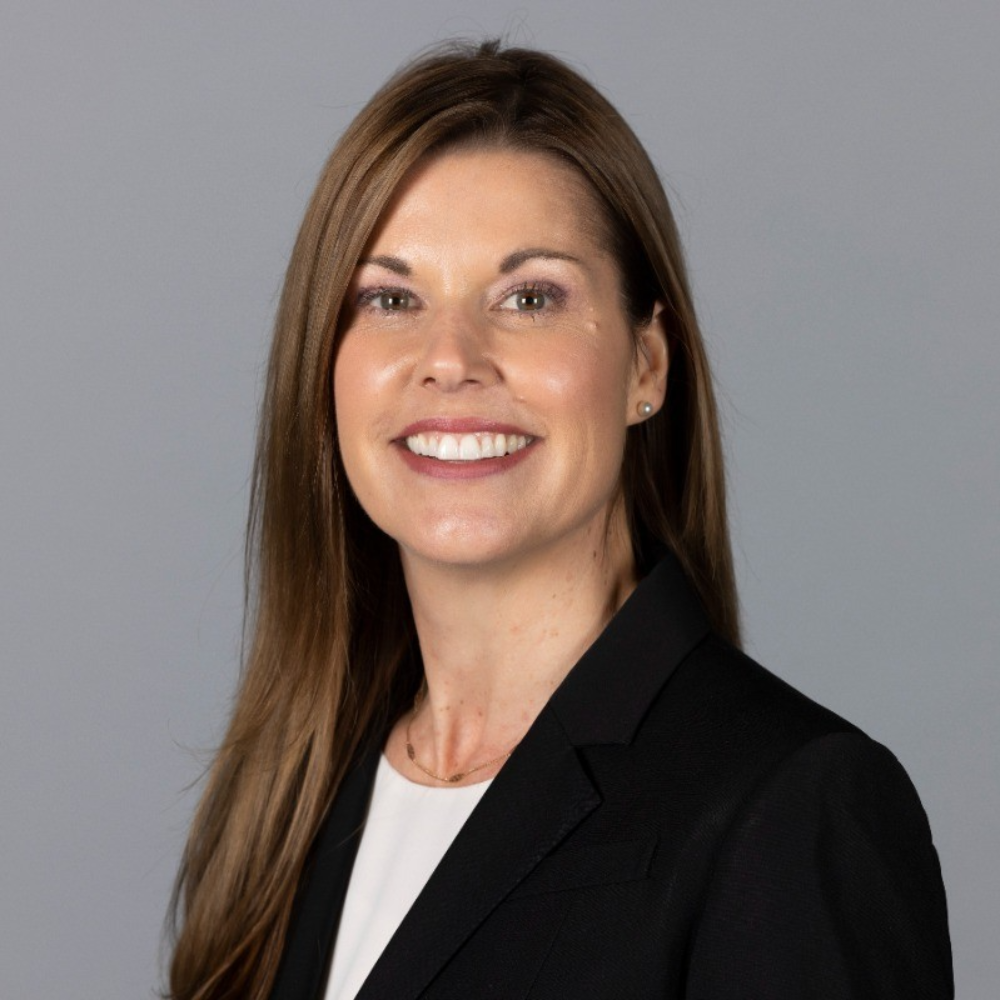
Erin Gajdalo is the chief executive officer at Pluralsight.