
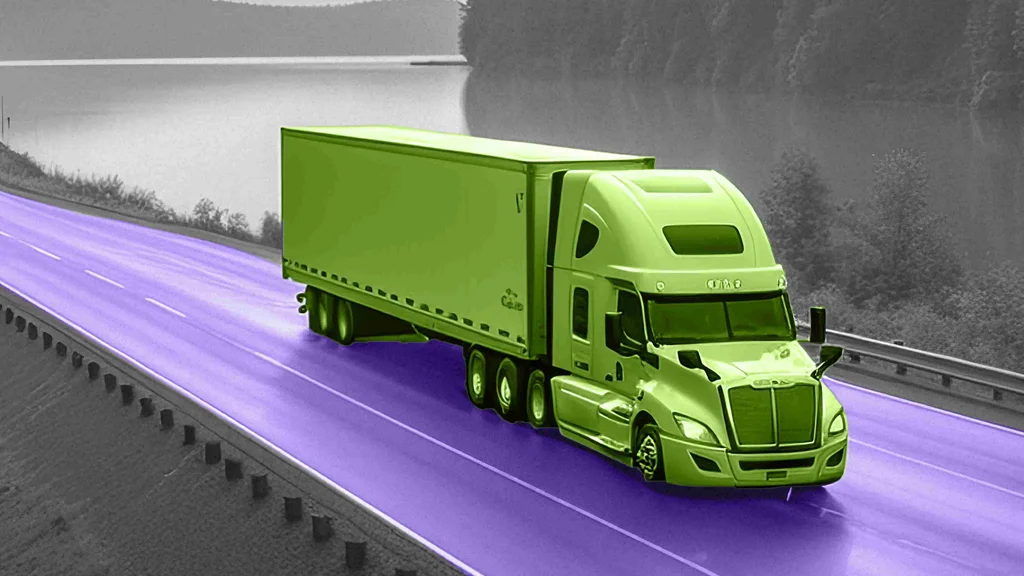

In the accelerating digital age, the melding of the Internet of Things (IoT) and the logistics sector is more than just promising—it’s transformative. McKinsey’s projection that IoT’s global economic impact might reach $11.1 trillion by 2025 underscores the potential that lies at this intersection. For startups nestled in the nexus of logistics and technology, this spells an era of monumental opportunity.
INNOVATING WITH IOT IN LOGISTICS
Modern logistics isn’t merely about movement; it’s about intelligent movement. By granting customers live insights into the whereabouts, conditions, and expected timelines of their shipments, logistics startups can achieve a heretofore unmatched transparency.
The innovation doesn’t halt at tracking. Modern fleet management thrives on data. Gleaning insights from IoT can steer startups toward optimum fuel efficiency, timely maintenance, and holistic fleet performance. And with the advent of IoT, the warehouse is no longer just a storage space. It can be an intelligent hub where stock levels, machinery health, and environmental parameters adjust themselves in real time to maintain the best storage conditions.
The electronic logging device, a pivotal IoT innovation, is now a mandated tool for the lion’s share of commercial truckers. Essentially, the ELD digitally captures a driver’s record of duty status, superseding the traditional paper logbooks previously utilized to document hours of service. This digital shift aims to bolster compliance with legal driving limits, reducing the risk of fatigue-induced mishaps on the road.
However, the wealth of data flooding in from these IoT devices, though invaluable, isn’t without its challenges.
THE BIG DATA CHALLENGE IN IOT
With IoT, the magnitude of data generated is staggering. Each sensor on every truck, in every warehouse, can send frequent updates, leading to an avalanche of data. But there’s a dichotomy here—while this data can be the wellspring for actionable insights, it also poses significant challenges, especially concerning storage, retrieval, and real-time analytics.
Drawing from personal experience at TruckX, where sensors adorned our fleet, the real challenge wasn’t just data collection but managing and making sense of it. The sheer volume of data from these sensors stressed our databases, challenging the scalability we initially aimed for. The complexities of ensuring smooth, real-time data analytics, while simultaneously ensuring our database’s structural integrity and responsiveness, became an uphill battle.
Another facet of the challenge emerges when these devices require firmware updates. At TruckX, pushing firmware upgrades over the air was a complex process. Devices deployed on customer premises further complicated debugging. Real-world constraints, such as varying network conditions or device misuse, made each firmware deployment a potential minefield of issues.
A SUSTAINABLE BUSINESS MODEL
For startups navigating this dynamic space, there’s more than just the technology play. The business model can be the cornerstone of success. A viable approach is the device-and-subscription model. While the IoT device sale might offer an upfront revenue, the recurring subscription model, where users access the IoT platform and insights, is where the goldmine lies.
Drawing from my experience, post the device’s integration, the main profitability stemmed from the subscription model, boasting over 90% margin. This model not only ensures a steady revenue stream but also fosters customer loyalty and engagement, which are pivotal for long-term growth.
THEIR SILVER LININGS
Beyond the data challenge, the IoT landscape in logistics is punctuated with other hurdles. There’s the undeniable financial weight of establishing a comprehensive IoT framework. Data security is paramount. Operational disruptions due to IoT integrations and potential connectivity inconsistencies can further strain startups.
However, each challenge is a concealed opportunity, a prod for further innovation. These roadblocks give startups a chance to devise solutions, whether it’s enhancing database scalability, bolstering cybersecurity, or ensuring constant connectivity.
IoT and logistics, as a combined entity, beckon a horizon bursting with prospects. As startups poised at this juncture prepare to leap, the potential rewards are immense. In an environment where innovation is paramount, I eagerly anticipate the transformative changes this combination will introduce, redefining logistics as a realm that’s not merely about moving goods but doing so with unmatched intelligence and efficiency.
Nimish Gupta, beans.ai‘s engineering head, is a logistics specialist. He architected Uber’s routing and penned a logistics book.