
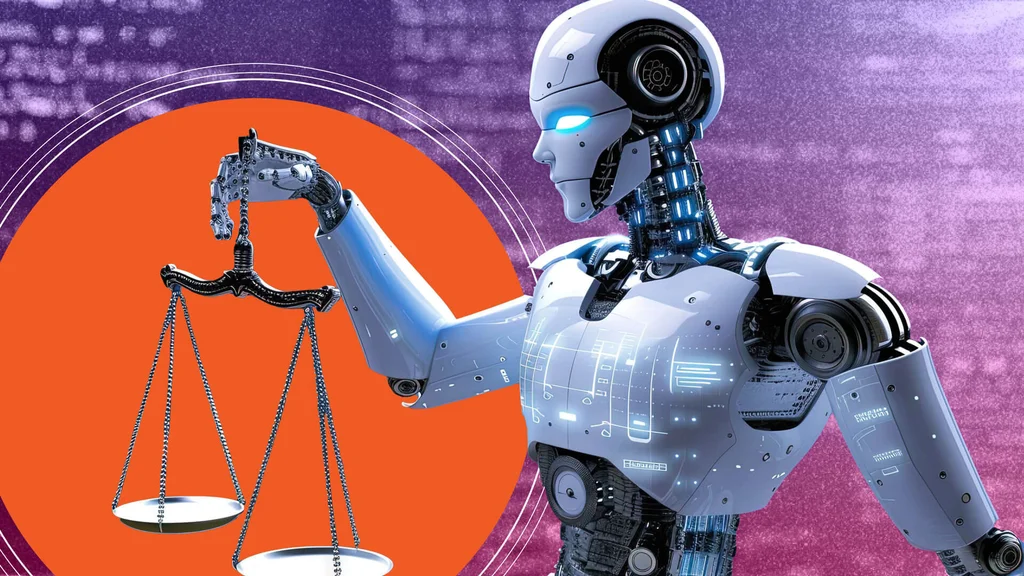

In an era of data overload, artificial intelligence (AI) gives us a tool to cut through the noise. Today’s AI models, and especially the large language models behind generative AI, can process huge quantities of data and use it to literally write poetry. I believe that if we are careful and smart with this technology, it can (and should) be used to elevate the lives of almost everyone.
And in businesses, AI can create insights and output that would take humans much longer to create. It can act as an amplifier to our human business smarts, benefiting all involved.
But AI is a serious tool that needs a careful operator. It needs human guidance. Knowing how to provide and oversee that critical guidance is perhaps the most important new business skill that every executive needs to learn.
WHY AI NEEDS US
Technology has no moral compass. It is critical that when we use extraordinary tools, we take extraordinary measures to make sure we are protecting the people these tools touch.
This has to be much more than just a notion and a talking point. Everyone who uses AI to aid their decision-making needs to cast a critical eye on the answers they get from it and the data those answers are derived from. It is really a cultural issue more than a technological one. We need responsible humans to respect these powerful tools in order to respect the people we are aiming to serve with them.
CONTROLLING FOR BIAS
The trust journey needs to start with AI bias, which can creep into company strategies when analysis comes from an AI system that was trained on a slanted collection of data.
For example, a 2021 report in The Markup covers inherent bias in AI systems used to evaluate mortgage applications. It reported on algorithms that were 40-80% more likely to reject applications from individuals of color. This was largely due to the historical lending data which has a higher denial rate for minorities, forming the basis on which the AI learned and perpetuated bias in evaluating subsequent loan applications.
You cannot guarantee that your company is not reinforcing AI bias without knowing about the data your AI models rely on.
FINDING CLEAN, RELIABLE DATA
It’s critical that AI users understand the lineage of the data behind the AI systems they use, especially now that we are in an AI-driven explosion of data. There will be 120 zetabytes of data created, captured, or used this year; by 2025 there will be 180 ZB. We are drowning in data. But the ocean of data, like our actual oceans of water, is mostly unusable: unrefined, duplicate, or inaccessible.
Finding the valuable information in the sea of raw data means filtering through a lot of unusable or polluted content. While technology can do some of this, we still need human discernment to find the rivers of clean and reliable data that should inform AI training models.
I believe the most important job people are going to have as we use AI more is being critical thinkers. We cannot become blinded by information just because we see it as an analysis or read it on a screen. Anyone who’s ever read a story they have been personally involved with covered in a newspaper knows that little errors can creep into any retelling of an event. AI and algorithms can amplify these little errors at machine speed. Sometimes only a human gut check can stop little data flaws from spreading and becoming institutional data bias.
EXPLAINABILITY AND TRUST
Skepticism for AI results is especially critical for systems that don’t reveal the why of their results. Fortunately, many tools now allow you to query the lineage of AI reasoning. All models that generate results that impact people or businesses should be explainable: the answers you get should come with the reasons for these answers.
Explainable AI (XAI) allows humans to correct AI model bias and accelerates the pace of trust and the adoption of AI tools. It’s also a core component of keeping AI in compliance with emerging regulations and risk management programs.
Knowing how you’re using customer data in particular is necessary to help you build trust in your brand—which, ultimately, is the most important thing your company has to manage. You earn trust in little pieces, but you can lose it in a heartbeat.
Transparency builds trust, and trust is currency. Tell your customers how you plan to use the data they give you, and be sure to live up to what you say. When you do this, over time, you can earn the right to ask for more information, for both your benefits. It’s like nurturing any relationship. Sometimes the really good stuff doesn’t come out for years.
WITH GREAT POWER…
For communicators of all kinds, modern AI is the most powerful tool we have seen in several generations. It can bring you closer to your customers and your partners, and them closer to you. I am sure it is going to help make businesses who apply it more successful.
But I reiterate that you have a responsibility to your stakeholders, including your customers and their families, to wield this power ethically and responsibly. The emerging regulations are a good start, but ultimately, using AI well requires you to know how the tools work, what resources they are using, and where you can grow to apply them in the best possible ways.
Jacqueline Woods is the Chief Marketing Officer at Teradata and author of the upcoming book, Unstuck.