
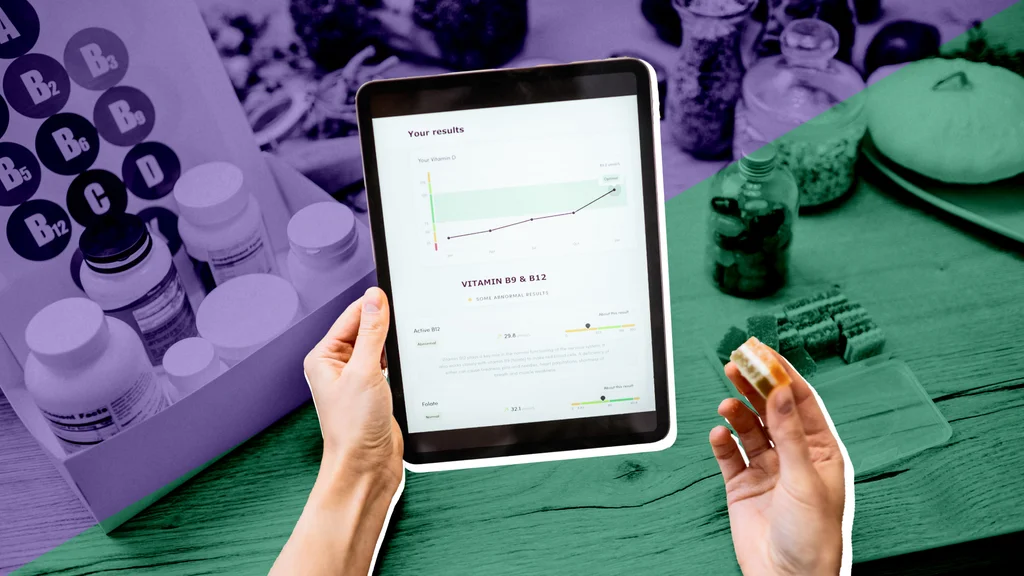

As technological advancements reshape the landscape of medicine and health care, we find ourselves on the verge of once-unimaginable possibilities. These advances are not only reshaping our world but also eliminating excuses when it comes to ensuring medicine’s accessibility. The onus falls on pharmaceutical companies to harness the technological advances at their disposal and ignite a quest for enhanced health care experiences that are both attainable and affordable.
Just as our lives have become more seamlessly connected—with information on any topic available at our fingertips through a simple Google search—our expectations for health care are evolving. Notably, we’re witnessing a transformation in consumer behavior, particularly among Gen Z, who increasingly place their trust in virtual health care over traditional doctor visits or pharmacy trips.
Online prescription purchases have gained widespread popularity, especially among those juggling hectic schedules and commitments that make in-person appointments or monthly pharmacy visits a logistical challenge. These shifts are reshaping the role of pharmaceutical companies, giving rise to online pharmacies, integrating wearable health devices and personalized data, and fueling the demand for patient-centered services.
AN OPPORTUNITY FOR INNOVATIVE PHARMA COMPANIES
In order for this shift in consumer preference to be realized, there is a tremendous opportunity for pharma companies to adjust some of the current standard-of-care medicines to align with this developing vision for health care.
For example, Belhaven Biopharma is developing an alternative for the EpiPen, which is a legacy product and the current gold standard for the treatment of anaphylaxis due to severe allergies. The EpiPen is not an ideal product for this evolving world. This bulky autoinjector is an expensive and complex device with a relatively short expiration date (about one year). In addition, an EpiPen goes bad in the heat and then needs to be replaced.
Belhaven has focused on these shortcomings to develop a dry powder nasal device called Nasdepi. It is a small, easy-to-use nasal device with a much longer shelf life and resistance to heat. Patients deserve simple-to-use products they can trust.
PATIENT-CENTRIC DRUG INFORMATION AND THE RISE OF ONLINE PHARMACIES
In the past, pharmaceutical companies primarily focused on developing and marketing their products to health care professionals. However, consumers are now seeking more direct access to drug information and services. They want to be well-informed participants in their health care decisions, rather than passive recipients of prescriptions.
To meet this demand, pharmaceutical companies are increasingly investing in patient-centric initiatives. Most pharmaceutical products have their own website with a wealth of information. They are providing easily accessible and comprehensible drug information and using user-friendly language rather than dense jargon so users can administer them safely without the need for medical supervision. Interactive platforms and apps offer consumers the opportunity to learn more about the medications they are prescribed, including potential side effects, interactions, and alternative treatment options.
Propelled by the convenience of digital platforms, the rise of online pharmacies is a testament to the significant shift in consumer behavior within the pharmaceutical sector. A McKinsey article underscores that while traditional retail chains remain popular, there’s a noticeable trend toward online options, especially among those requiring multiple medications. This shift is attributed to the convenience, price advantages, and broader product access that online pharmacies offer.
To stay competitive, online pharmacies should enhance their services by combining speed and convenience with personalized experiences, such as telehealth consultations. This evolution reflects a broader movement towards e-commerce in health care, emphasizing the need for traditional pharmacies to innovate to meet changing consumer preferences.
THE CHANGING ROLE OF PHARMA IN SOCIETY
The shifting consumer behaviors within the pharmaceutical sector are indicative of a broader transformation in the role of pharmaceutical companies in society. They are no longer just manufacturers of drugs; they are becoming health care partners in the truest sense. This evolving role encompasses not only providing medications but also delivering comprehensive solutions that address the holistic needs of patients.
As consumers increasingly seek transparency, convenience, and personalization, pharmaceutical companies are responding by adopting innovative strategies. They are embracing digital technologies to connect with consumers, leveraging data to deliver tailored solutions, and prioritizing patient-centered care.
The rise of online pharmacies, the adoption of wearable health devices, and the demand for patient-centric drug information and services are all indicative of a new era in health care. As pharmaceutical companies navigate this new normal, they have the opportunity to transform their relationship with consumers and play a more integral role in promoting health and well-being. Embracing these changes is a path to meaningful progress in the pursuit of better health care outcomes for all.