

Postmortem, the name often used for the debrief or evaluation after a project delivers, has always struck me as a grave (pun intended) misnomer. Its literal definition of “done, occurring, or collected after death” is exactly the opposite of what a business needs to be thinking about once a project delivers. You and your team have spent months (or even years) gestating, growing, and pushing your new product or process out into the world. Your responsibility now is to make sure both your business and the new baby thrive.
At my company, Mamava, our mission is to increase infrastructure and support for breastfeeding with freestanding lactation pods, so it’s not surprising that we’re steeped in the language of birth and new beginnings. Yet I believe a more positive, optimistic, and future-oriented way of analyzing and learning after the fact is important for all organizations, regardless of industry. By flipping the language and framework to that of “postpartum,” we also shift the focus from potential DOA to one of possibility, sustainability, and growth.
In the context of childbirth, a postpartum focuses on the tight ecosystem of the mother and breastfeeding baby after birth, and the measurement of key wellness indicators for both. Yet the concept is useful as a metaphor for a company supporting a newly launched product or other major initiative. A postpartum review considers not just how well the project was delivered, but also how the team is doing and what they—and the business—need to make the project successful moving forward.
Developing new projects can put a lot of strain on both a team and a business. Just like new parents, teams and individual contributors might feel unmoored when that project finally delivers (for example, an engineer handing over the project they have been working on for 18 months to marketing and wondering what is next). Here are some steps to think about when planning for your postpartum process.
1. GATHER THE TEAM AND CELEBRATE YOUR ACCOMPLISHMENT
Think of this as the project christening; you are officially welcoming your new baby to the world and making a commitment as a community to take care of it. You have all worked really hard, even if the project didn’t turn out exactly as expected. Acknowledge the work, pop a bottle of champagne, and share some cake.
2. IDENTIFY YOUR PROJECT DOULA
This is the person who provides guidance and support for the postpartum process. Often it is a product manager or owner (whether that is their official title or not). This person is responsible for scheduling and leading these postpartum sessions and excels at project management, but takes an empathetic approach when working with colleagues and understanding product experience.
3. ESTABLISH YOUR KEY PERFORMANCE INDICATORS FOR THE PROJECT AFTER IT DELIVERS
These are like the milestones the physician uses to make sure mother and baby are thriving in the first year after birth. You will review these KPIs at your postpartum check-ins. Some might carry over from the original project plan and stage gates, but most will be newly established for the postpartum era. They should be specific to your project, measurable, and have clear timing. During your session, examine what worked, what is working, and what were and are the challenges (again, think of this baby as a work in progress—just like a kid).
4. PUT A PLAN IN PLACE FOR REMEDYING ANY CHALLENGES
Consider how the business overall has been affected by the new project and how its needs have changed, as well as the project itself—both parent and baby need to be considered. Remember, sometimes we learn even more when projects don’t turn out as expected, as it opens us to discoveries, surprises, and new ideas. Having a baby sometimes means relinquishing control and/or learning from unexpected directions and outcomes.
5. PLAN FOR MULTIPLE POSTPARTUM CHECK-INS
Depending on the project, you might want to do check-ins at one month and six months postpartum (and maybe more).
Reframing the traditional postmortem review of a project to that of a postpartum is an invitation to welcome the elements of surprise, discovery, and ongoing care into your work. Rather than focusing solely on the success of the project as a final (pass or fail), the framework of a postpartum takes into consideration the well-being of your team as you reflect on ways of working that are beneficial for long-term health and success. Big projects and new initiatives can be time-consuming, risky, and even exhausting. A postpartum review makes space to look at work more holistically as you consider the impact on your business and your team, and create more sustainable pathways for both.
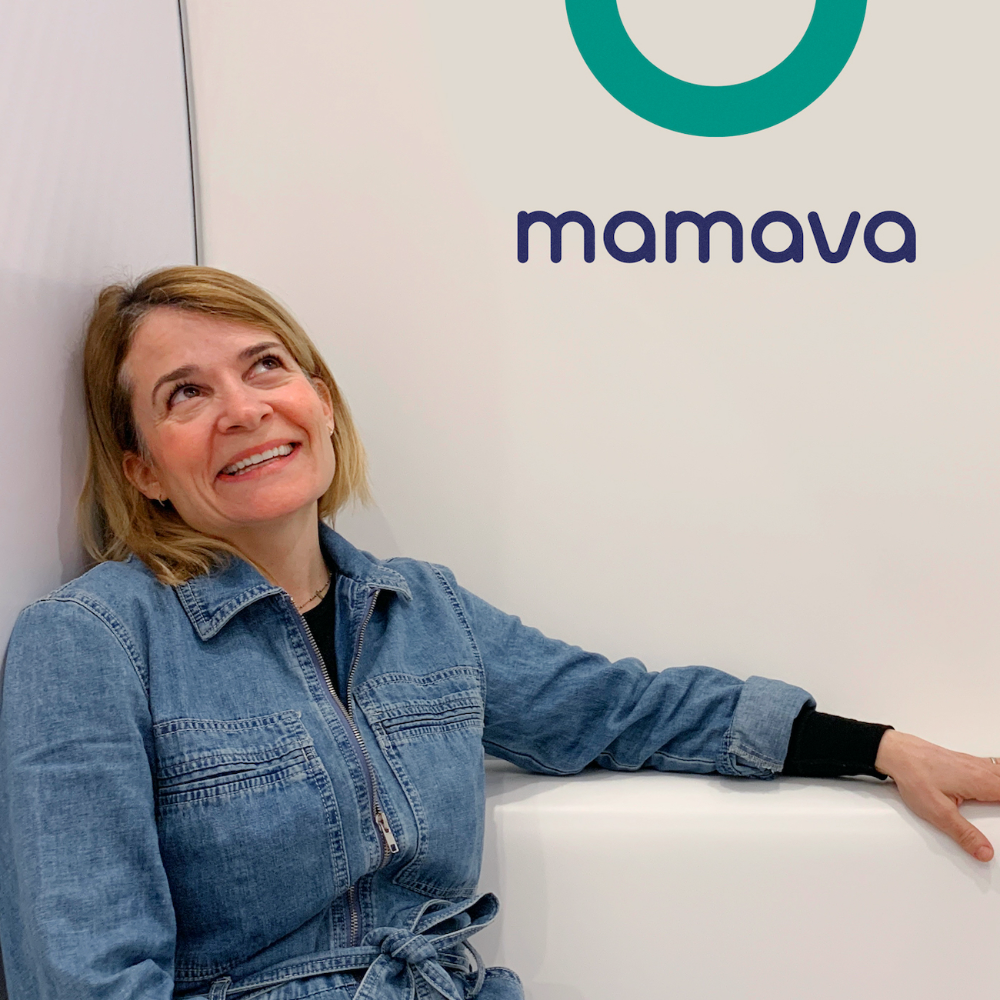
Sascha Mayer is the Cofounder and CXO of Mamava. Mamava, based in Burlington, VT, is the leading expert in lactation space design.