

At this point, you’ve most likely seen at least an article or two focused on what’s now being coined as the “Generation of Moderation,” spotlighting the way in which millennials and Gen Zs are more broadly thinking about alcohol, wellness, self-care, and mental well-being amidst a myriad of other topics.
The question becomes: How does all of this “mindfulness” come into play when traveling for leisure? Do their cares and concerns go out the window, or are we really looking at a new way in which travelers think about traveling as it pertains to their overall health and well-being?
Hotels.com released some notable recent statistics, denoting that “more than 40% of travelers say they are likely to book a detox trip in the next year, and half of travelers say they would be interested in staying at hotels that offer easily accessible alcohol-free options.”
In a similar vein, The Washington Post also released a recent piece on the uptick in interest for non-alcoholic beverage offerings across the hospitality industry, noting “a wide range of companies, from hotel chains (The Standard) to cruise lines (Virgin Voyages) and even airport lounges (Capital One)” are hiring beverage consultants to help develop non-alcoholic programs to cater to the continually expanding set of travelers looking for these kinds of options (The Washington Post).
To accommodate the overall increase in consumer demand for more “mindful” experiences and offerings, there has been a noticeable uptick in firms and consultants who specialize in catering to the more “conscious” consumer. Within my own travel businesses, we’ve seen a notable 220% increase in travelers who do not drink alcohol in 2023 versus 2022, as well as a spike in those asking us to incorporate “adult” non-alcoholic options throughout their trip. These included procuring the finest non-alcoholic wines for a client’s private boat tour along the Seine, working with chefs and beverage directors to incorporate elevated non-alcoholic pairings in tasting menus for our diners, and also working with wineries and distilleries to offer non-alcoholic offerings for guests who do not consume alcohol but still wanted to experience all the charm and history of noted estates.
For those working within the wider hospitality category looking to potentially integrate a more mindful drinking strategy, my belief is that everyone who comes in contact with guests should have an open mindset regarding alcohol and an overall wellness mindframe.
While wine, beer, and spirits may be engrained into the cultural fabric and heritage of a destination, if we intend to be trained hospitality professionals, our job first and foremost is to take care of all of our guests, including those who wish to take a temporary or permanent break from alcohol. As such, alcohol-free yet sophisticated options have to be available in the same seamless manner you see vegetarian, gluten-free, vegan, or plant-based options on every notable airline, cruise ship, or hotel menu.
I would also suggest all hotels, restaurants, cruise lines, and venues look to invest in creating a few elevated and delicious alcohol-free options for guests, and have their entire staff knowledgeable about their ingredients and provenance.
It will be interesting to see how purchasing behavior evolves in terms of detox programs, non-alcoholic beverage options, and other “mindful offerings” for this growing demographic. In the meantime, we’re proud to be able to offer consumers optionality and ways to enjoy experiences across travel, food, and beverage—with and without booze.
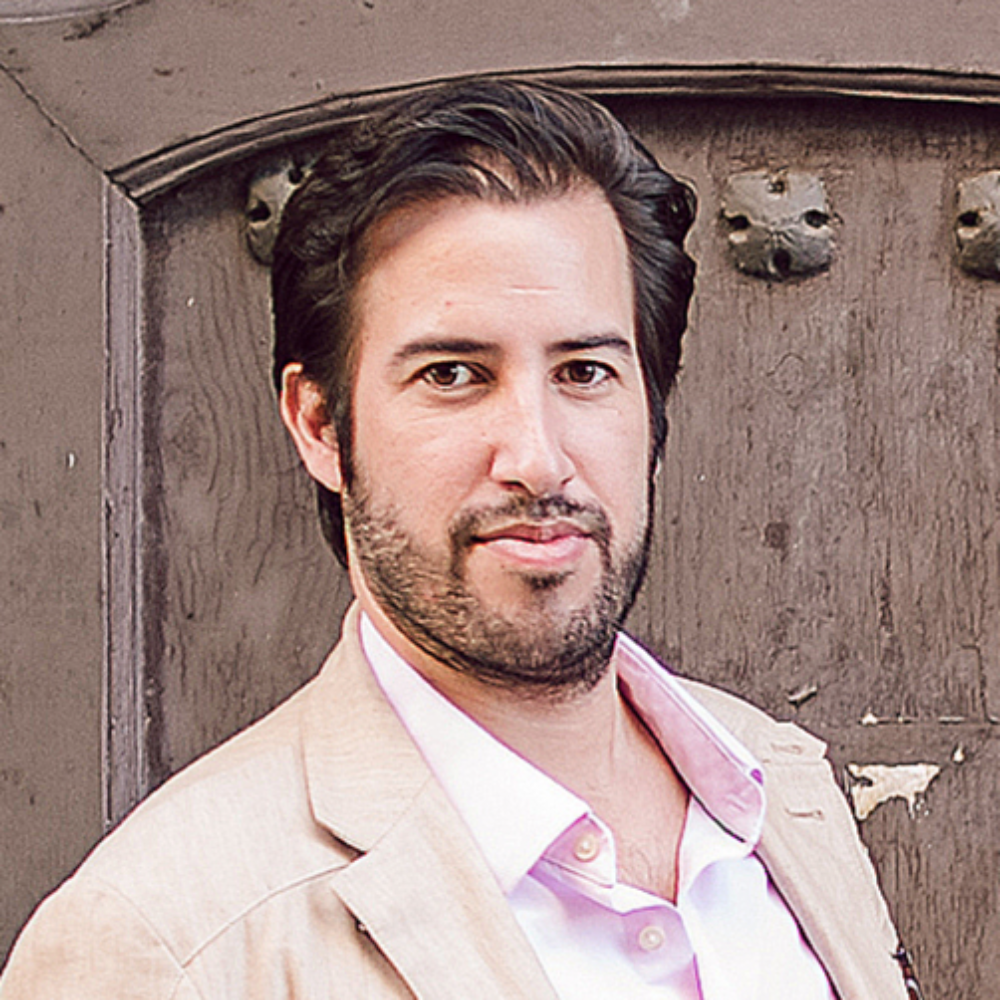
Marco Marano is the Founder of CountryBred, The Palatum & Prima Pavé.