

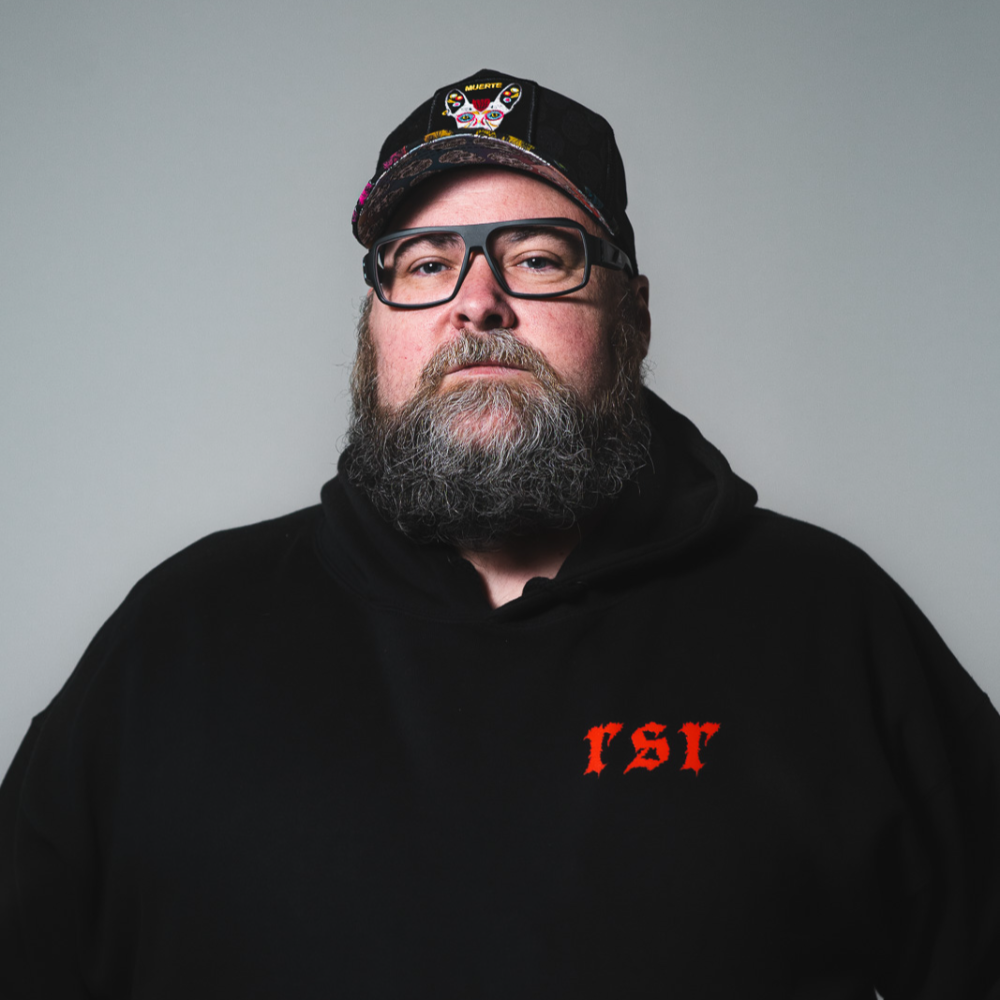
We really thought it was going to be like Post Malone coming out of nowhere when “White Iverson” went viral in 2015: instant recognition for breakout work. In reputation-driven businesses, it’s easy to get seduced into believing good ideas will sell themselves. After opening a recording studio in Los Angeles, I learned the hard way.
We had taken a 30,000-square-foot lot in North Hollywood and transformed it into an artistic compound with murals throughout, multiple creative spaces, and even a dance studio with sprung floors. The idea was to design a space that would push artists to their creative limits.
But when the clients didn’t materialize on schedule, I had to do a retake. Breaking through took far longer than anticipated because this is a very “who you know” business. But in any field where relationships matter as much as competence, the unwritten rules are consistent.
Here are the five factors driving the social and business currency of influence I wish I had understood earlier.
1. RELATIONSHIPS AREN’T BUILT OVERNIGHT
The overnight success myth is seductive but dangerous. We had to get a lot of eyes on our project and get lots of people through the door before word of mouth started to create a buzz. Even Spotify, with superior technology, couldn’t skip this step. When the streamer launched in 2008, it had to build relationships with record labels from scratch. That meant paying them huge upfront advances on royalty payments just to convince them to let it launch in the U.S.
The overnight success trope applies more broadly, too. Many of the platforms we take for granted, like Facebook and Airbnb, built their foundation on relationships before their breakthrough moments. So write this into your business plan: Proving value to the market—and the gatekeepers who control access to that market—takes money, time, commitment, and strategy.
2. PERSISTENCE BEATS PERFECTION
Post Malone had been grinding away for years—learning guitar, studying different genres, and building his sound behind the scenes—long before that breakthrough moment. I call it “smoke and mirrors”—the illusion that an artist is just sitting there writing their first song as a number one hit. It usually takes thousands of tries to shape something into its final studio form.
Like business, the creative process is usually iterative. Think about the poster child for influence: Instagram. Founders Kevin Systrom and Mike Krieger stripped their original, more complex app down to just photo sharing after realizing users only engaged with that feature. Resilience and the willingness to kill off what doesn’t work are more important than trying to achieve perfection on the first try.
3. BUSINESS HAPPENS AWAY FROM THE OFFICE
When Google founders Sergey Brin and Larry Page wanted to recruit Eric Schmidt, the man who would go on to become CEO, they all met up at Burning Man, where apparently “magic happened.”
For me, my best connections come from cigar lounges, car clubs, and poker games. It’s about social interaction and putting down your phone.
There’s a reason so many business decisions are made on the golf course. People tend to be more open to new ideas when they aren’t in work mode. So I say leave the office and find social activities where you can have real conversations with potential partners and clients outside formal business contexts.
4. POWER STRUCTURES ARE SHIFTING
Landing a spot on an influential Spotify or Apple Music playlist today can do more for an artist’s career than getting signed to a record label. That’s a total reversal from the dominance of labels even 10 to 15 years ago. Instead of A&R representatives deciding who gets exposure, I’ve seen artists record in top-tier studios, release independently, and then blow up purely from strategic playlist placement.
Today, a new class of digital gatekeepers—from YouTube’s algorithm to trending-page editors and influencers—decides who and what breaks through. For instance, TikTok creators with large BookTok followings can single-handedly drive a title onto the New York Times best-seller list.
So look for the curators, moderators, or influencers whose endorsements move markets. Then build strategic relationships with them, because the old centralized power structures have shifted for good.
5. YOUR BRAND TRAVELS FASTER THAN YOU DO
After the studio got momentum, I started hearing feedback from people I hadn’t even pitched directly. The studio’s reputation began shaping opportunities without me even being in the room. In industries built on networking and reputation, everything from how you handle setbacks to who you’re seen collaborating with contributes to a narrative you don’t fully control.
Sure, be intentional about every public touchpoint, but my advice is much simpler than that: Act as if you’re being observed all the time. Don’t have a different set of rules and behaviors for behind the scenes. Maybe even think in terms of “integrity,” not “brand,” because your reputation precedes you no matter where you go.