
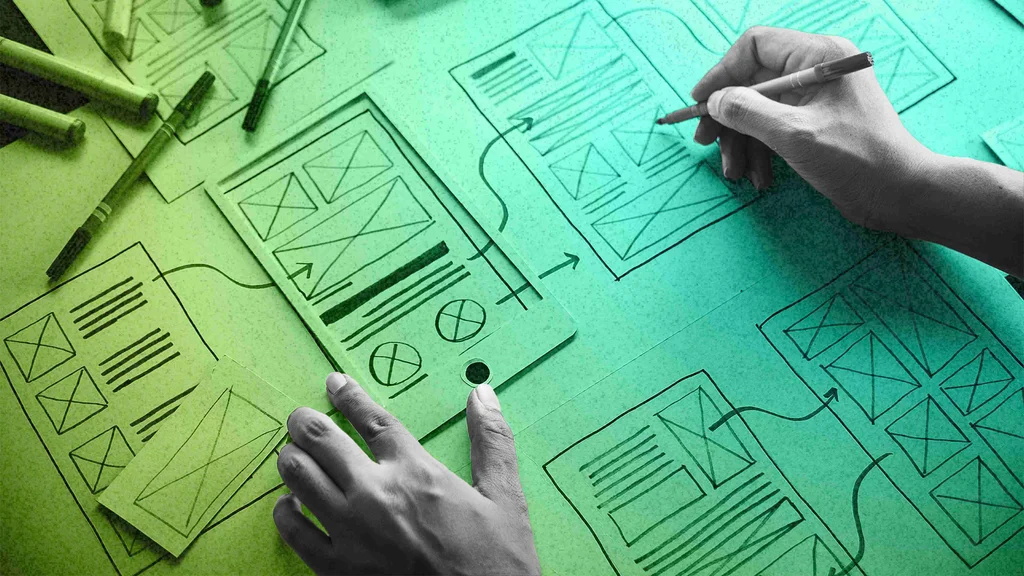

Let’s say you have an idea—something simple but powerful. Maybe it’s a travel app that adjusts itineraries based on real-time weather or a tool that helps small businesses manage invoices through voice commands. So you open an AI-powered builder, type in a prompt, and 30 seconds later, you have a fully formed app. It looks great. It runs. It even reacts to sample data. For a moment, it feels like you’ve skipped months of development in a single keystroke.
That moment is the illusion.
Over the past year, we’ve seen generative AI push into the world of software creation. And it’s made prototyping accessible to anyone with an idea and a browser. That’s not just hype. It’s real progress. But it’s also where the momentum tends to stop.
What most AI development tools won’t tell you is that the thing you just created isn’t a product. It’s a prototype. Even though it looks finished, it’s missing the depth, flexibility, and control needed to turn your idea into something customers will rely on (and pay for).
THE PROTOTYPE TRAP
Most founders don’t hit a wall right away when they use AI development tools. In truth, that first version of the app is 80% complete. But try to add custom logic. Or get it to run on mobile as well as web. Or handle payments. Or scale with real users. That’s when the cracks start showing.
So you start tweaking prompts, hoping the AI will “get it” this time. You bounce between tools, spend hours debugging things you don’t understand, or burn money on specialists you thought you didn’t need. And suddenly, you’re back to square one, but with less momentum and more complexity this time around.
It’s that last 20%, the part AI can’t generate out of thin air, where real products are made. It’s how you incorporate features like an adaptive user experience that evolves with behavior, custom workflows with conditional logic and integrations, or a data model that can support real-world complexity. By adding the right layers in that last 20%, you get performance that holds up under traffic and build security, compliance, and resilience into the product’s foundation. Otherwise, your product is barely ready to leave the test lab.
WHAT YOU SHOULD FOCUS ON NEXT
The leap from prototype to production isn’t about speed; it’s about substance. If you want to build something durable, move beyond the illusion of done. Once the scaffolding is in place, focus on these four things.
1. BUILD ONCE, LAUNCH EVERYWHERE: Design your app to run natively across web and mobile from the start. A shared logic base, unified database, and consistent design system ensure you don’t duplicate effort, and you can meet users where they are without rebuilding from scratch.
2. BAKE IN SECURITY FROM DAY ONE: Don’t bolt on security later on in the development process. Start with infrastructure that includes SSL, audit logs, rate limiting, role-based access, and protection against common exploits. It saves time, reduces risk, and sets you up for scale.
3. ENGAGE IN POWERFUL VISION DEVELOPMENT: Move beyond text prompts. Simple, visual tools can give you full control without writing a single line of code. By leveraging them, you can accomplish what would normally require deep technical knowledge, like security best practices, user authentication, API integrations, recursion, file storage, and plugin extensibility.
4. PRIORITIZE REAL INTEGRATIONS, NOT PLACEHOLDERS: AI can generate a button, but not the infrastructure behind it. Real products require real connections: to payments, authentication, analytics, and third-party services. It’s crucial to build on systems you’ll actually rely on during production.
BRINGING GREAT IDEAS TO LIFE
The future belongs to platforms that work how founders think and build where their users live. Whether your app starts on desktop or mobile, or whether you’re targeting consumers or teams, you shouldn’t have to switch tools or rewrite everything just to grow. If AI is the spark, then your platform should be the engine. Because what you’re building isn’t a demo. It’s a business.