
I remember a project with a client years back—national brand, solid budget, serious about video. We had spent six months working together on a commercial. It was a beautiful piece of work. But by the time it cleared legal, survived three rounds of revisions, and finally went to air, the campaign angle had already shifted. The market had moved, and the message landed a half beat behind.
The timing wasn’t a production problem. It was a systems problem.
An approved television spot once ran 18 months and was called content strategy. Today, the budget gets deployed across more than 60 pieces of content and many channels, including Instagram Reels, cable television pre-rolls, internal training decks, and more. Same dollars. Completely different operational reality behind the content strategy.
Platforms don’t wait. Algorithms don’t care and audiences move on before the color grade is finished. Building real traction with video right now isn’t about the biggest production, it’s about staying in motion.
THE REAL SHIFT: VOLUME AND VELOCITY
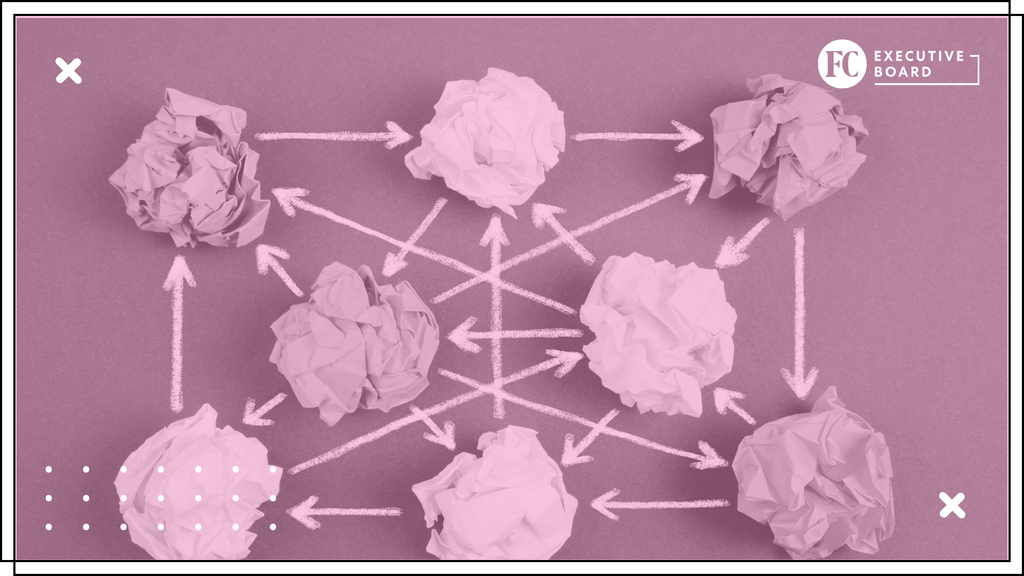
Brands don’t need “better” video. They need more of it, faster, and across more outlets than anyone’s creative department was designed to handle. A mid-size brand running a campaign might need a 90-second brand film for their website, a 15-second cut for social media, a 6-second bumper for pre-roll, and a vertical version for Instagram Stories—all built around the same concept, on the same budget. That isn’t one production. It’s a content operation.
Organizations keeping pace have stopped thinking in projects and have started thinking in systems. Instead of one shoot per quarter, they’re designing shoot days that produce 10 to 15 deployable assets at a time. The creative brief is written with an entire distribution plan already mapped. What runs on TikTok gets planned differently than what runs as a CTV pre-roll: Those decisions happen long before the camera rolls, not in the edit suite after.
COMPETITIVE ADVANTAGES OF SPEED AND ADAPTABILITY
Speed in content production goes beyond efficiency. It’s a market position, and leadership teams are still catching up. Brands that can quickly pivot in response to cultural shifts or a competitor’s move—not necessarily those with the biggest budgets—are capitalizing on audience attention.
Adaptability works the same way. A leader who can redirect a campaign mid-quarter without blowing up the production schedule has a strategic advantage. Flexibility comes from building systems that absorb change without breaking: modular assets, standing production relationships, and templated post workflows.
Content pipelines designed to adapt and change save both time and provide leadership teams with opportunities to accommodate unexpected market shifts in real time. Production agility is a must-have organizational advantage. Teams that have built flexible systems ahead of market shifts or competitor changes can pivot and keep moving. Others are left behind.
AGILE PRODUCTION AS WORKFLOW DECISION
There’s a persistent misconception that agile video production means cheaper video production. It doesn’t. Agile production is structured production, and the distinction matters. When budgets get tight, instinct is to strip the crew, cut the shoot day, and hope the edit compensates. That’s not agility—that’s just being underprepared.
What makes a production agile is the infrastructure behind it:
- Crews are vetted and ready to deploy.
- Locations don’t require a six-week clearance process.
- Post-production workflows are templated rather than rebuilt from scratch each time.
Marketing teams that prioritize infrastructure by templating repetitive processes into working systems build once and deploy more quickly every time after that.
Companies that move well on content have usually made a quiet but significant decision: They’re not bidding on every project. They’re building standing production relationships. The institutional knowledge that accumulates—what works for their audience, which formats perform, and how their leadership shows up on camera—doesn’t appear on any invoice. Still, it compounds into a real operational edge.
PLATFORM NATIVE AND DESTINATION PLANNING
Platform-native content requires platform-native planning from the start, before you ever call “action.”
A 90-second brand film doesn’t become a TikTok video by cropping it vertical and adding a trending sound. Anyone who’s tried this knows the framing is wrong, pacing is off, and the hook, designed for an audience that had already leaned in, is off target. A LinkedIn thought leadership piece gets lit and framed differently than b-roll package for a paid social media rotation.
These aren’t decisions to leave for post-production. They’re the edge behind scroll-stopping content, where distribution strategy isn’t the last step, it’s the first brief.
THE OPERATIONAL SHIFT MOST MARKETERS NEED TO MAKE
Modernized content operations are organized around cadence, not campaigns. Meaningful leadership decisions, not just a workflow tweaks, are essential. This means shifting internal planning cycles, rewriting how briefs get scoped, and negotiating standing operational relationships with production partners.
A production partner that works with a brand across 20 or 30 projects achieves efficiency that compounds. Ramp-up time shrinks, the briefing process tightens, and the output quality improves when context stops being rebuilt from zero each time.
Organizations that make this shift are more efficient and responsive. When a relevant conversation opens, it can be produced in days. When a product launch moves up by six weeks, the content plan moves with it. Building responsiveness into the content production cycle, rather than just scrambling last-minute, is what defines a leader.
THE OPERATIONAL TAKEAWAY
Stop budgeting for a single production and start budgeting for a production cadence. Map out what you need across paid, owned, and earned media for the next quarter, then figure out how many shoot days it takes to feed that plan, not how much to spend on a hero piece.
The “one big commercial” had its moment. Brands with real momentum figured out that staying in production is the strategy.
Tavares Beverly is founder of Beverly Boy Productions.