
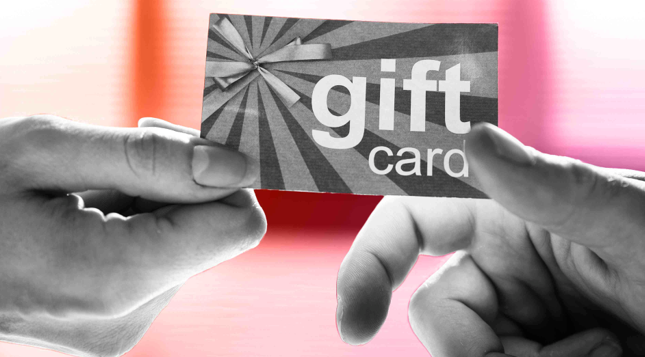

Imagine you earn a $100 bonus at work. One option: the cash is transferred to your bank account. The other: a digital gift card to your favorite big box retailer.
In this scenario, the same monetary value can have two profoundly different emotional effects. Research shows that cash rewards are mentally integrated into salary or general budgeting, so they feel utilitarian. But the gift card sits in a different intellectual category labeled for “fun” or “treats.” Recipients perceive this kind of reward as more enjoyable and memorable.
Ultimately, this principle is defined as mental accounting, where people categorize and evaluate their money differently based on its source or intended use. The speed, form, and utility in which money is delivered shapes how it is perceived, prioritized, and ultimately used.
Understanding this concept is crucial for managing the economics of payouts, rewards, disbursements, and rebates.
UTILITY DETERMINES VALUE
In the example above, you likely had an idea about which payout method you’d prefer for your bonus today. But would it be the same choice in a week, a month, or a year from now? Maybe your car just needed a big repair and the cash sounds better than the gift card. Or perhaps it’s a family member’s birthday and you know just what you want to get for them from a specific retailer.
Not only do recipients have fluctuating preferences based on their present circumstances, but needs can also vary widely by geography and seasonality. The more global your audience, the more essential it becomes to let them choose.
In Kenya, M-PESA mobile credits are more spendable than cash for many users. In the Philippines, digital wallets like GCash dominate user preferences. In Argentina, some recipients see stablecoin as more accessible than traditional banking.
Because the utility of different forms of money can vary widely, offering recipients a payout choice—whether it’s cash, gift card, bank transfer, digital wallet, or many others—boosts satisfaction and perceived autonomy.
But there’s even more. For example, giving employees or freelancers the power of choice can improve their motivation and effectiveness. Recipients who select their own reward format demonstrate enhanced creative performance compared to those with standardized rewards.
THE POWER OF TIMING
It’s easy to assume the preference for faster payouts are purely about convenience. More often, it’s about control. In gig work and freelance economies, instant access to earnings is often worth a small fee because it impacts well-being and feels fair.
This is why a rideshare driver may choose to receive immediate pay to their digital wallet after a shift, while a customer receiving a rebate might select a more traditional ACH transfer to a bank account that takes a few days. Customers mentally account rebates differently than earned wages.
It’s no surprise, then, that 70% of independent workers say they would quit or rethink their freelancing platform after a bad payout experience. For them, speed builds trust, and trust activates loyalty and engagement.
Similarly, an employee rewards program that delivers instant gift card rewards over slower cash transfers will feel more exciting and fun, leading to increased participation and commitment.
The speed of money can change its value. And that value depends on how recipients mentally account for it. Businesses that understand this show empathy and responsiveness—traits that earn lasting loyalty.
MOTIVATION BY MEMORABILITY: WHY CERTAIN REWARDS OUTPERFORM CASH
At first glance, cash looks more flexible than a gift card. It’s more useful and more rational.
Yet, gift card sales exploded because they also solve a psychological problem: Gift cards give people permission to spend on themselves. They create memorable experiences or allow for unique purchases. When an employee uses a bluetooth speaker or essential oil diffuser they purchased with a reward gift card, they are reminded of their success and their employer.
Cash awards can’t do that. Often cash incentives are spent on something intangible and unmemorable. As such, pleasurable rewards like gift cards often outperform cash incentives in motivating greater effort and commitment from incentive program participants.
Further, many people will even take their earned wages in a digital gift card when they’re offered a bonus of just 2%-5%. Nearly 50% of independent workers say they’d take at least a portion of their payout in an instant, digital gift card if it included this type of small bonus.
PRACTICAL TAKEAWAYS FOR BUSINESS LEADERS
Every payout tells a story. Some end in forgettable, slow transactions that happen in the background. Others create delight, memories, and loyalty. If you want your payouts to tell a better story, consider the following:
- Rethink default payout formats. Evaluate the message your payout method sends, not just its efficiency.
- Design for emotion and utility. Match the format to the desired behavior. Use gift cards for joy and visibility, cash or instant pay for speed and liquidity.
- Offer choices. Increase engagement and satisfaction by giving recipients the power to choose their preferred payout method.
- Adapt to context. Use geo-specific formats where infrastructure or cultural preferences demand it.
- Treat payouts as brand moments. If you aren’t using a payout to build trust, loyalty, and excitement, you’re missing a big opportunity.
The way money moves matters. Not just how much, but how fast, how visibly, how flexibly, and how meaningfully.
Payouts are part of your brand, part of your employee experience, and part of your customer journey. When you understand the psychology behind them, you create moments that matter.