

The nonprofit sector has seen substantial growth and transformation over the past few years.
Nonprofits are particularly innovative; trends like cross-sector collaboration, adopting a corporate mindset, and highlighting the economic and social impact of nonprofits are taking center stage.
VIDA EMBRACES CROSS-SECTOR COLLABORATION
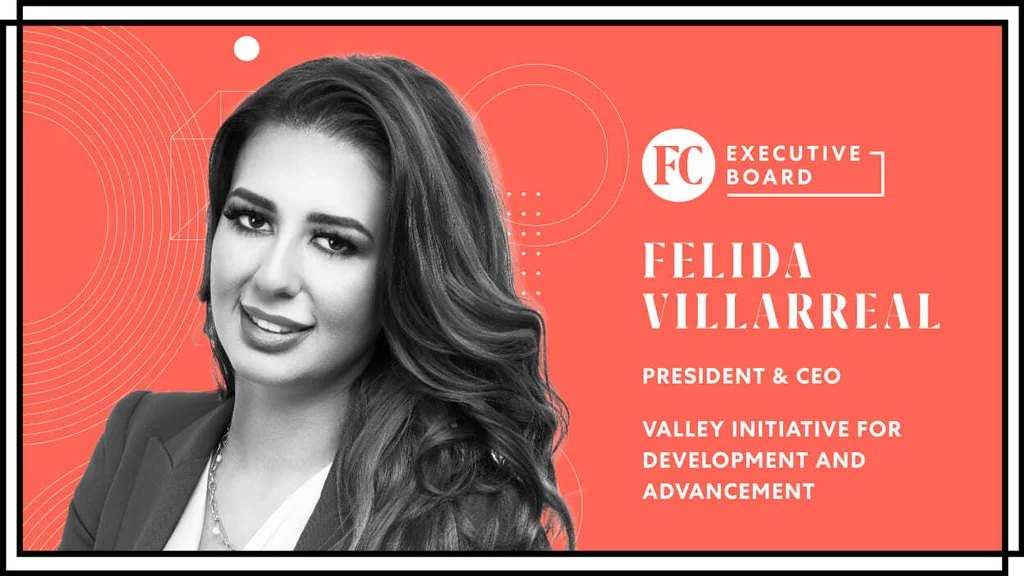
VIDA’s collaboration with cross-sector entities enables their mission: to offer comprehensive support services to students facing significant barriers to education and employment. Felida Villarreal, president and CEO of VIDA, emphasized, “These partnerships have been crucial in providing not just financial assistance but also practical resources like childcare and transportation. As a result, many students who might have otherwise dropped out are completing their education and securing high-paying jobs.”
Cross-sector collaboration has emerged as a crucial strategy for nonprofits. As Villarreal explains, “Nonprofits have limited funding and grant opportunities, but when they partner with large corporations, government entities, and other community-based organizations, they can leverage multiple resources together to advance a common goal or mission.”
ADOPTING A CORPORATE MINDSET AT VIDA
It may seem counterintuitive, but Villarreal asserts that nonprofits must adopt a corporate mindset to stay competitive. While the end goal is never profit, drawing inspiration from corporate business strategies helps nonprofits secure the funding necessary to operate. Transparency about return on investment (ROI) is a core aspect of a corporate mindset.
“Even though we are in the nonprofit sector, ROI is a huge metric for nonprofits to not only report on and share publicly but also to build transparency and accountability”, says Villarreal. “Our transparency builds trust with stakeholders and is increasingly expected by donors. Delivering on these requests is critical to our success.”
DEVELOPING A COMPETITIVE EDGE AS A NONPROFIT
Grants can be very labor-intensive and carry significant reporting requirements. This adds a layer of complexity and effort for nonprofits that rely entirely on funding grants. Diversifying an organization’s funding sources through fundraising events, sponsorships, and individual donors is vital to its overall sustainability. “Fundraising is becoming trendier within the nonprofit space,” notes Villarreal. “Annual galas, golf tournaments, and raffles are all new ways we secure funds. Fundraisers reduce our dependence on grants and provide financial stability to our organization through unrestricted funds.”
Attracting talent requires a competitive edge. Financial constraints often mean lower compensation levels compared to the for-profit sector. “It’s essential to bring in a competitive mindset so we can be an active player in the jobs market and ultimately secure the talent we need to advance our mission,” says Villarreal.
HIGHLIGHTING THE ECONOMIC AND SOCIAL IMPACT OF NONPROFITS
Nonprofits are significant economic contributors. In 2022, U.S. nonprofits contributed $1.4 trillion to the economy. Showcasing this impact is a great way to inspire donors and partners.
“Our programs boast a 15:1 return on investment for donors,” says Villarreal. “With graduation rates in the mid-eighties and persistence rates above ninety percent, we are significantly surpassing local public college averages. This tells us and our stakeholders about the effectiveness of our approach.”
Success stories like these show VIDA’s community and other stakeholders the transformative power of the value their nonprofit creates. “Many students facing poverty and other prominent personal challenges have, through our support, completed their education and secured high demand, high paying jobs,” says Villareal. “These outcomes highlight both the personal and statistical successes of our programs.”
LOOKING TO THE FUTURE OF THE NONPROFIT SECTOR
Looking ahead, Villarreal and her team are committed to deepening their collaborative efforts and continuing to innovate their service offerings. “One area we are particularly excited about is expanding our economic impact studies. These reports have been invaluable in demonstrating our value to stakeholders and guiding our strategic planning,” says Villarreal. “We want to ensure that our work is not only impactful but also transparent and accountable. Regularly publishing economic impact studies will help us achieve this goal and demonstrate our ongoing value to our stakeholders.”
By embracing these strategies, Villarreal hopes to not only sustain VIDA’s impact but also inspire other organizations in the sector to innovate and collaborate, ensuring a robust and dynamic future for nonprofits everywhere. “Our ultimate goal is to build a sustainable model that allows us to respond flexibly to emerging needs while maintaining a steady course towards our mission,” Villarreal explains. “We are optimistic about the future and look forward to continuing to drive positive change in our communities.”