

The first time I really understood how much financial services depend on a customer making mistakes, the mistake was mine.
I forgot to move money between two bank accounts before a payment came due. My bank charged me $40.
I could afford it. That wasn’t the point. What bothered me was the math. I made a small, ordinary slip-up, and the penalty felt wildly out of proportion. Worse, the company I trusted with my money stood to profit directly from my error.
That fee changed how I saw the relationship. Now I knew part of its business worked better when I slipped up.
Trust can go away that quickly. One moment can reveal whose interests come first.
Companies spend fortunes telling people they come first. But people experience brands through the price they pay, the options in front of them, and what happens when something goes wrong.
TRUST IS BUILT INTO THE PRODUCT
Early on, my cofounders and I wanted to understand why consumer lending felt so broken at the point of sale. To see what buyers were actually up against, we went out onto store floors. In a furniture store near Midway Airport in Chicago, the reality was obvious right away.
Two customers could buy the same couch in the same afternoon and have completely different experiences. If you qualified for the store’s credit card, it took a few minutes on the sales floor. If you were declined, they walked you to a back room and asked for pay stubs and additional documentation. Some of the options offered carried annual costs above 100%.
The gap was hard to watch. What stayed with me was that nobody in the store thought it was strange. The customers with the least room to move paid the most for the credit.
There are real reasons costs differ across industries and customer segments. Any business with acquisition costs, risk assessment, and scaling pressures faces the same fundamental decisions: Who carries the risk? Who absorbs the inconvenience? Who pays when something goes wrong?
But none of that matters to someone in a furniture store trying to buy a couch. They just want to know two things: what it will cost them, and what happens if life gets in the way.
Those questions go well beyond lending. Every product makes choices about who carries the risk, absorbs the hassle, and who pays when something goes wrong. Those choices tell customers more than any “customer-first” message ever will.
YOUR FEE SCHEDULE IS YOUR PHILOSOPHY
Leaders should read their own fee schedules as closely as their brand research.
Look at what happens when a payment is late. Understand how hard it is to see the total cost before someone signs a financing agreement. Then ask yourself how much of this quarter’s revenue depends on customers making a mistake, misunderstanding the terms, or getting too exhausted to fight a surprise charge.
If your profit model relies on customer error, you are trapping your customers. This is an argument for plain pricing and keeping consequences proportional. It also helps you build a business that thrives when customers do best.
TRUST CHANGES THE MATH
The usual business case for trust is that it’s good for reputation. That misses the bigger economic picture: customer acquisition.
Traditional lenders often spend $500 to $1,000 to acquire a single customer. To recover that massive outlay, they’re under real pressure to earn it back, through high rates, add-ons, and penalty fees. Customers eventually notice they’re being squeezed and move on to options they trust, so the company spends more money replacing them.
This loop is an expensive way to run a business. Build the product around fairness, and that cycle breaks. People come back on their own. A customer who trusts you doesn’t need to be replaced or wooed again.
At Sunbit, returning customers now account for nearly 30% of our transaction volume. When people believe a company has dealt with them fairly, they come back. That lowers what we spend to grow, which we can put back into the product.
Any company can put “customer-first” on its website. The test comes when a customer makes a mistake, because that’s the moment the company holds all the leverage. What you do with that leverage is how people see your brand.
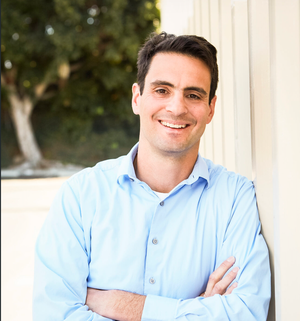
Arad Levertov is the CEO and cofounder of Sunbit.