

With autonomous robots starting to join people in their homes and workplaces, robot rights are becoming urgent. Companies and leadership teams should have a clear accountability framework so they can confidently take advantage of the AI-powered robot revolution.
When talking about robot rights, I don’t mean giving robots human rights. That assumption often derails the conversation. I mean defining practical robot rights that protect humans by making robots’ legal status as clear as the responsibilities of the people that make, use, or live alongside them.
THE ‘RIGHT’ RIGHTS
Granting citizenship rights to a humanoid robot makes a good headline, but it’s an example of sensationalism around the topic. Too often, the view that robots deserve human rights leads people to dismiss the topic. As autonomous robots start to operate independently in spaces shared with people, everyone from governments to robot developers and adopters should know the accountabilities that apply.
Robot rights and responsibilities set expectations in two directions. On the one hand, they define how robots ought to behave in relation to people, objects, and other entities they encounter in shared spaces. On the other hand, they define the reciprocal duty of people to treat robots in certain ways. Robot rights thought leader Professor David Gunkel says, “If one entity has a right, another entity has a duty or responsibility to respond to or respect that right.”
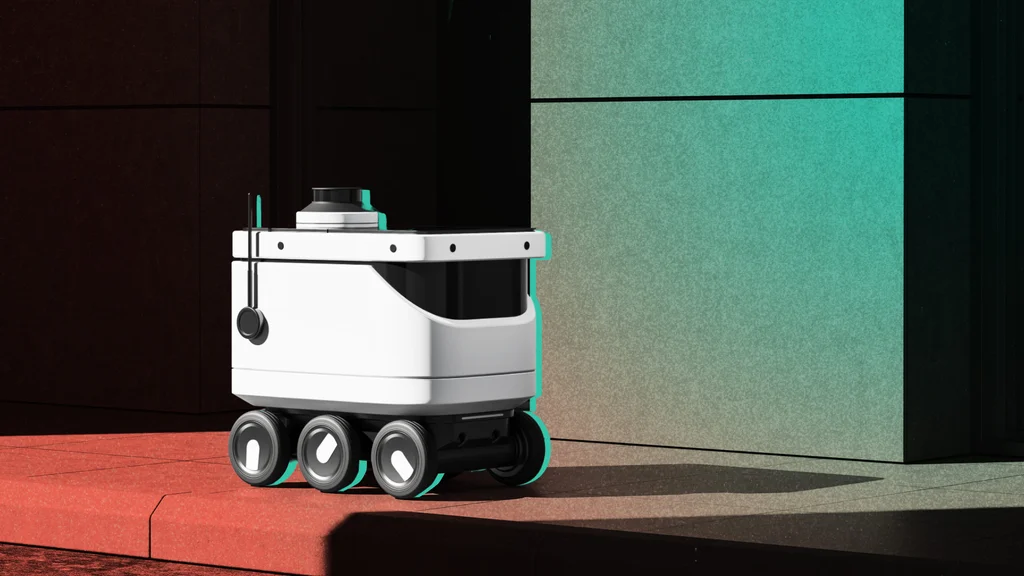
To make this real, Gunkel uses the example of personal delivery robot legislation passed in 12 U.S. states. The laws give these robots the rights of a pedestrian on a crosswalk. They make it clear to all road users that the robot has a duty to behave in accordance with the same laws as human pedestrians crossing the road at a crosswalk, and that other road users have a duty to treat the robot the way they would treat a human pedestrian in the same circumstances.
Professor Gunkel’s example sounds like common sense. But it doesn’t explain who is responsible when the robot gets it wrong. Is it the owner? The manufacturer? The human robot-controller if the robot isn’t fully autonomous?
For example, following a fatal accident involving an autonomous car in 2018, the U.K. government proposed legislation that would set a global legal precedent where accountability firmly sits with autonomous vehicle manufacturers should their vehicles cause an accident while the vehicle is in control.
The UK’s announcement focuses on self-driving cars, but it also lays down a marker in the debate on how people live alongside autonomous robots more generally. It sends a strong signal to robot manufacturers that liability likely falls on them.
WHERE ROBOT RIGHTS ARE HEADING
For developers of AI-powered autonomous robots with increasingly sophisticated learning and decision-making abilities, the situation gets even more complex. If their robot can learn to make independent decisions, can—or should—a human or an organization hold ultimate accountability?
In 2016, when a European Parliament resolution proposed giving robots the legal status of an “electronic person” to clarify liability, a large group of experts wrote a letter opposing the move. Their opposition was on the grounds that it wasn’t necessary and that it couldn’t work with existing legal frameworks.
The idea of legal personhood considers whether a robot can be treated as a legal entity with rights that aim to protect the interests of human beings and avoid exploitation. For organizations, being a legal entity means they can enter contractual arrangements, own property, pay taxes, sue, and be sued. For robots, the rights of legal personhood are less straightforward, as the debate can quickly get into the controversial topic of giving robots human-like moral rights, like fair, humane treatment.
That said, most robot rights discussions focus on keeping people safe. As robots begin operating in health, home, or care settings, keeping people safe is about emotional safety as much as physical safety. Social and care robots are designed to interact with people, offering companionship and engagement. This can lead to emotional attachments. Experts expect increasing focus on clarifying the legal framework to effectively manage the social responses to robots and how people relate to them.
AN IMPORTANT, BUT STILL EVOLVING, TOPIC
For leaders considering advanced robots for their business, the issue of robot rights is an essential part of understanding the risks alongside the opportunities. It’s crucial to navigate this evolving landscape with a proactive and responsible approach. This can look like:
Staying informed and engaging in the debate
Leaders should actively follow developments in robot rights discussions, including policy direction, emerging thinking, and case law. Engaging in ongoing debates and participating in relevant industry forums can provide valuable insights and help shape the evolving landscape.
Establishing internal guidelines
Business leaders should create internal guidelines that outline their organization’s stance on robot rights and responsibilities. This includes clearly defining the roles and accountability of different stakeholders, such as manufacturers, owners, operators, and end users. By establishing guidelines, leaders can ensure that their organization operates within legal and ethical boundaries while leveraging AI-powered robotics.
Considering risk assessment and mitigation
Leaders should conduct a thorough risk assessment to identify potential challenges and liabilities associated with integrating autonomous robots into their operations. This assessment should consider scenarios where robots interact with humans, objects, or other entities. By understanding the risks involved, leaders can develop mitigation strategies, such as insurance or safety protocols, to minimize potential harm or legal complications.
Ensuring transparent communication
As the relationship between humans and robots evolves, leaders should prioritize transparent communication with stakeholders. This includes clearly articulating the capabilities and limitations of autonomous robots, setting realistic expectations, and informing users about their responsibilities when interacting with robots. Transparency builds trust and fosters a safe environment for human-robot coexistence.
The emergence of robot rights discussions is a positive development. It is a sign that autonomous robots are receiving the practical consideration that widespread use requires. While many questions on robot rights need answers, I look forward to constructive debate continuing to help build confidence in a safe and productive human-robot co-existence.
Jeff Wong is the Global Chief Innovation Officer of Ernst & Young, one of the largest professional services organizations in the world.