

Each year, as the calendar turns, many companies prepare to give back, making year-end donations to nonprofits or launching seasonal campaigns. It’s a welcome tradition. But the smartest business leaders are going even further: They’re aligning corporate giving with their workforce strategy.
When corporate philanthropy is tied to workforce needs, like childcare, job training, and caregiving, it becomes one of the most effective tools to strengthen both communities and the economy. The same investments that help people get to work, stay healthy, and build skills also make it easier for companies to attract and retain talent.
PHILANTHROPY THAT BUILDS THE WORKFORCE
Access to affordable childcare helps parents stay employed. Disability and workforce programs connect motivated candidates with high-demand industries. Adult day services and caregiving support make it possible for millions of Americans—especially women—to stay in the labor force while caring for family members.
These programs are economic engines. A recent report found that childcare breakdowns cost U.S. businesses $122 billion annually in lost productivity. When companies invest in the nonprofits that provide those services, they’re also investing in a stronger, more reliable workforce.
The same is true for food insecurity, housing, and healthcare. Nonprofits help stabilize families so employees can bring their full focus to work. Feeding America reports that one in seven Americans experiences food insecurity—meaning hunger is a workforce problem. When business leaders support local food banks, health clinics, and community programs, they’re ensuring their employees and customers have what they need to thrive.
VALUES AS A BUSINESS ADVANTAGE
Consumers and employees see the value in purpose-driven businesses. Three in four U.S. employees said they want to work for companies making a positive impact on the world, and 86% of Millennials said they’d take a pay cut to do so. Before accepting a job, more than half of Gen Z workers research a company’s environmental and social record—and more than half have turned down a job because a company’s values didn’t align with theirs.
Customers are paying attention, too. Research shows that over three-quarters of consumers are motivated to buy from brands that are trying to make the world better. Sixty-two percent believe companies should take a stand on issues that matter to their customers.
When businesses align their giving with their values—supporting nonprofits that serve their employees’ families and strengthen their communities—they earn trust, loyalty, and market share.
Corporate-nonprofit partnerships create tangible returns. Employees who volunteer through their company report higher engagement, lower stress, and greater job satisfaction. Matching-gift programs and employer-sponsored volunteer days boost retention and morale.
And for companies themselves, partnerships with nonprofits offer insight into community needs, helping shape smarter products, services, and policies. As I’ve seen through Easterseals’ long-standing collaborations with corporate partners, these relationships can help close critical workforce gaps while building goodwill that money alone can’t buy.
A SMARTER MODEL FOR GIVING
It’s time to view philanthropy as a strategic investment—one that strengthens the talent pipeline, stabilizes communities, and fuels economic growth.
Smart CEOs don’t wait for trouble to show leadership. They look ahead and ask: How can our giving help build the workforce we depend on?
By aligning philanthropic investments with workforce needs—supporting nonprofits that deliver childcare, job readiness, disability services, or food security—companies can put their values into action while ensuring business continuity and long-term growth.
Corporate giving is a lever for impact. The companies that recognize that will not only do well; they’ll do good, and that’s the kind of leadership our economy needs.
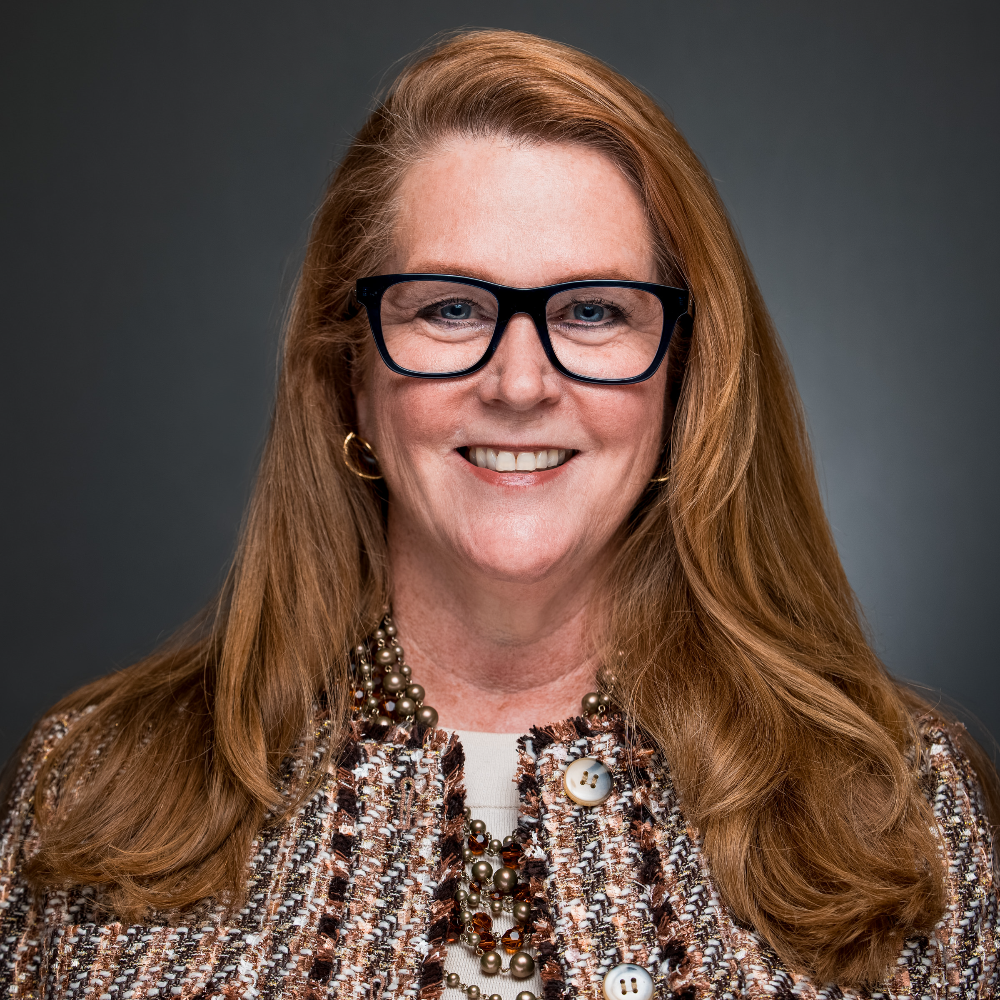
Kendra Davenport is the president and CEO of Easterseals.