
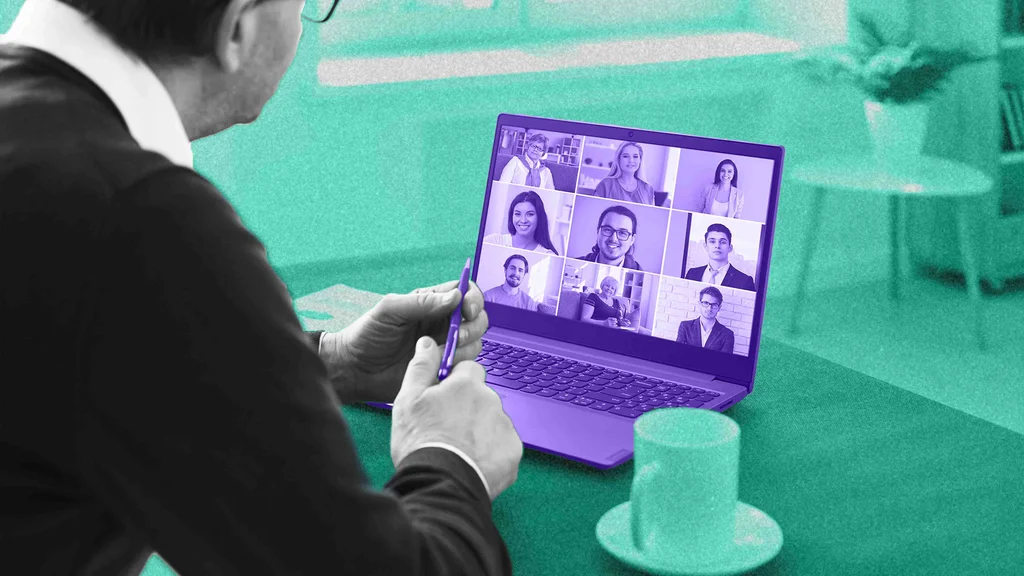
Ever since the pandemic forced millions of workers to go remote, the speculation has been that remote work is going to kill the traditional office. A compromise is more likely: A McKinsey survey revealed that 75% of workers said they prefer a hybrid model, and more than two out of three employees who prefer hybrid models say they’d look for other opportunities if their company asked them to return to the office full-time with no exceptions. Bringing people back to the office to create this type of model takes care, but it brings benefits for everybody.
BUILD A FLEXIBLE PROGRAM
Hybrid models allow companies to build the connective tissue necessary between people without sacrificing all of the autonomy workers want. As a result, they’re more likely to feel like their work is part of a good career rather than just a job. This is where a fully remote company comes up short—being totally virtual doesn’t always let you build the same level of connectedness, no matter what any study might say.
At Merchants Fleet, we’ve developed the Level Up program to make sure we’re taking the individual needs and interactions of employees into account, balanced with what the company needs, and keeping the connectedness to build culture. Employees who have to be remote five days a week are Level 5. Level 1 workers are remote one day a week, and so on.
Developing a similar program in your own company can encourage you to justify assignments for each team member, which helps everyone understand why some people have more or less time off-site. You can have people move up or down based on circumstances, too.
GETTING IT RIGHT
So how do you build your own Level Up program? Start with having each functional leader in your company put each job into the two easiest levels to determine: fully remote and fully on-site. These would be Level 0 and Level 5, respectively. Some jobs are simply remote, such as a field sales executive, and some roles are fully on-site, such as a bank teller. The amount of Level 0 and Level 5 employees will vary by industry. For example, a construction company is going to have many more Level 5s than a company that helps businesses build their websites.
The next step is to determine how much autonomy you can provide your employees by being remote and how much connectedness your team requires to be in the office. This should help fill in the middle levels.
After each functional leader has completed this exercise, put all your jobs into one sheet and review it as a team. Be prepared to find some inconsistencies and some manager bias during this phase. Make sure you’re viewing the proposed levels with a completely neutral lens and that everyone is staying receptive to feedback. This unified approach can allow you to create some consistency across your company.
The last step is to invite a small group of your employees into the process to review. Getting their feedback is imperative before rolling out the program. You may be surprised at how they view this exercise and the chance to be involved.
WORKING FROM HOME IS A PRIVILEGE, NOT A RIGHT
COVID-19 has encouraged leaders to innovate to get tasks done outside of the traditional office. But a 2020 study showed that only 25% of the workforce could easily work from home. The other 75%, which included roles like manufacturing, retail, and transportation, either can’t work from home at all or would have challenges doing it.
Translation? Working from home isn’t a right. It’s a privilege. Most of the conversation around remote work ignores the fact that the majority of workers don’t have the option to work from home at all.
Then there’s self-motivation and self-discipline. For some workers, the ability to self-manage and stay focused comes naturally. They’re the kind of people who would find their way home if you dropped them in the Amazon with a measly five bucks.
For others, working from home is a snake that’s going to bite hard. They can have amazing talents and potential, but they don’t know how to get motivated alone. If you force the second type of person into a remote environment where they can’t absorb the energy of others to get some drive, they may not meet their potential. Good leaders can spot these people and get more out of them.
IN THE END, IT’S ALL ABOUT WHAT PEOPLE AND COMPANIES NEED
It’s appropriate to incentivize remote workers to come back. An easy way to do this might be to cater some food as a thank you. But you can use any gesture you think will fit the needs and culture of your business.
Hybrid models should be the future because they allow both employers and employees to get the best of both on-site and off-site work worlds. Even so, it’s not something you can just slap together. Developing your system requires real consideration for the individual needs that specific team members and groups have balanced against your company’s strategy and what your clients need. For continued success in the hybrid future, meet people where they are, offer solid rationales for how much time on-site is required and adjust your system over time according to your situation.
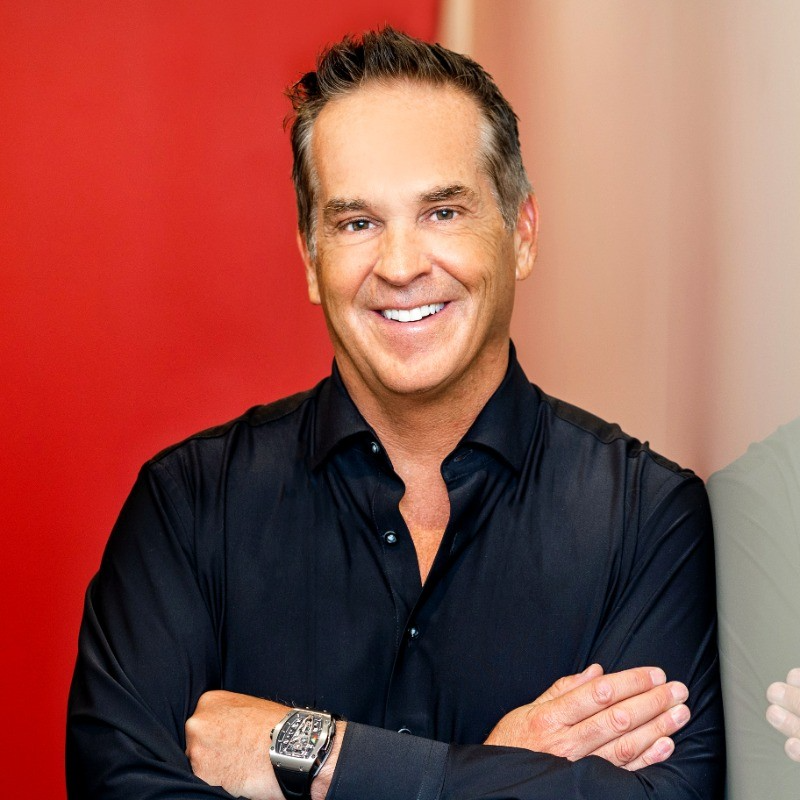
Brendan P. Keegan is Chairman, CEO, and President of Merchants Fleet.