

Business leadership is a reflection of its era—political, cultural, and the larger economic backdrop. Looking back over the last 150 years, you can see a series of leadership eras, from the great industrialization associated with John D. Rockefeller and Henry Ford, to the New Deal established to recover from the Depression, followed by the post-war era that ended with the President Ronald Reagan revolution. Today, the world is increasingly complicated, and even minor shifts have ripple effects that impact every sector of society. I believe this era will be defined by a new humanistic business operating system as well as the response of today’s leaders to the convergent forces playing out right now.
Unfortunately, mistrust of institutions (governments, NGOs, and the media) is at an all-time high, according to the 2023 Edelman Trust Barometer. However, business continues to remain the only trusted institution to 62% of respondents, being cited as both ethical and competent on a myriad of issues.
This presents an opportunity, especially for entrepreneurs who are building the future. Startups and small businesses are the foundation of modern economies, and while startups and technology can’t solve all the world’s problems, they have far-reaching influence and impact. I believe we need people to build the next generation of companies that will tackle some of the world’s biggest problems. This can result in better lives, better products, and a newfound transparency, forging a more dynamic relationship between society and the businesses that push society forward.
I believe there are three core principles that will become part of this new humanistic business operating system: a people-first mindset, long-termism, and resilient profit. How entrepreneurs adapt and respond to these principles will determine their viability and long-term success.
1. PUTTING PEOPLE FIRST
Hiring and talent retention make up the foundation of a good business and should be a primary focus for entrepreneurs. An employee-first mindset is good business, and I believe there are two ways to deliver on this.
First, nurture the distributed workforce. Remote work expands the pool to search for top-notch talent. It allows employees to work where they choose and provides new flexibility to work when they choose. A Future Forum study of 9,000 knowledge workers and managers showed 63% of American workers want a hybrid option.
While remote work has had a positive impact on hiring, it’s not without flaws. There is still a significant benefit to having smart people in the same room. In-person collaboration can foster trust, provide opportunities to share learnings, and build a sense of belonging. Even many of those who prefer remote work shudder at the thought of decades of interacting on messenger apps and video calls. I believe leaders who get this balance right and build high-performing distributed teams will have a strong competitive advantage.
Second, in my experience, employees will think and act like owners when they are owners—incentivized alongside founders, management, and investors. If a company’s employees are not empowered, how can its customers be served in the best way? Employees build the product, take care of customers, and represent a company’s values to the outside world. In my opinion, today’s entrepreneurs will be best served by operating with a people-first mindset, fostering hybrid culture, and elevating employees to be owners.
2. LONG-TERMISM
Quarterly results are not always the best metric for the long-term health of an organization. Short-term thinking can compromise future success. It’s like the sugar high that’s bad for your health. An obsessive focus on short-term goals can lead to faulty tactics. The CFA Institute estimated in 2018 that short-termism cost S&P 500 companies up to $79 billion a year in lost earnings.
Businesses should plan to be around longer than the next quarter. Famously, Amazon ditched short-term goals in favor of long-term sustainability and has seen exponential gains in the years since.
In my experience, thinking long-term makes better business sense, and startups have the opportunity to instill this mindset from launch. Entrepreneurs should commit to a North Star mission and work backward to shorter-term objectives. Leveraging this strategy, startups can outperform those focusing on quarterly performance. McKinsey’s in-depth study of short- vs long-termism proved that average revenue was 47% higher for those companies that took a long-term approach.
3. RESILIENT PROFIT
Today’s leaders should strive for a more symbiotic relationship between their businesses and the societies in which they operate. Over previous eras, we have witnessed the perils of a “profit at all cost” mentality. Companies can no longer tout “taking care of the customer” while also dumping toxic waste in the customer’s backyard. This means constantly coming back to this point: Oftentimes, trust is the easiest thing to lose and the hardest thing to get back. Entrepreneurs should ask, “Are we making a positive impact for all stakeholders?” This is critical to compete in today’s market and win the loyalty of this generation’s customers.
Over the next 25 years, about 45 million U.S. households will pass down over $68 trillion to the next generation. Today’s consumers are digital-first, tech-savvy, and prioritize buying sustainable products over name brands, according to a study of U.S. attitudes on consumer shopping. This eco-conscious mindset demands that companies act in an ethical manner, leveraging technology to build and deliver products that have a positive impact.
Entrepreneurs who build while knowing that purpose and profitably are intrinsically linked can be best positioned to succeed over the long term. Keeping the trust of consumers doesn’t drive ancillary revenue—it’s at the core of the business.
Where we go from here is up to us. Entrepreneurs can build profitable businesses with a people-first mindset and solve real problems for customers that improve their lives. I believe this era of business will be defined by how leaders build the future of work and respond to the challenges society is facing in this post-pandemic world. I’m optimistic our legacy will be a positive one and will shape this next era of business dynamism.
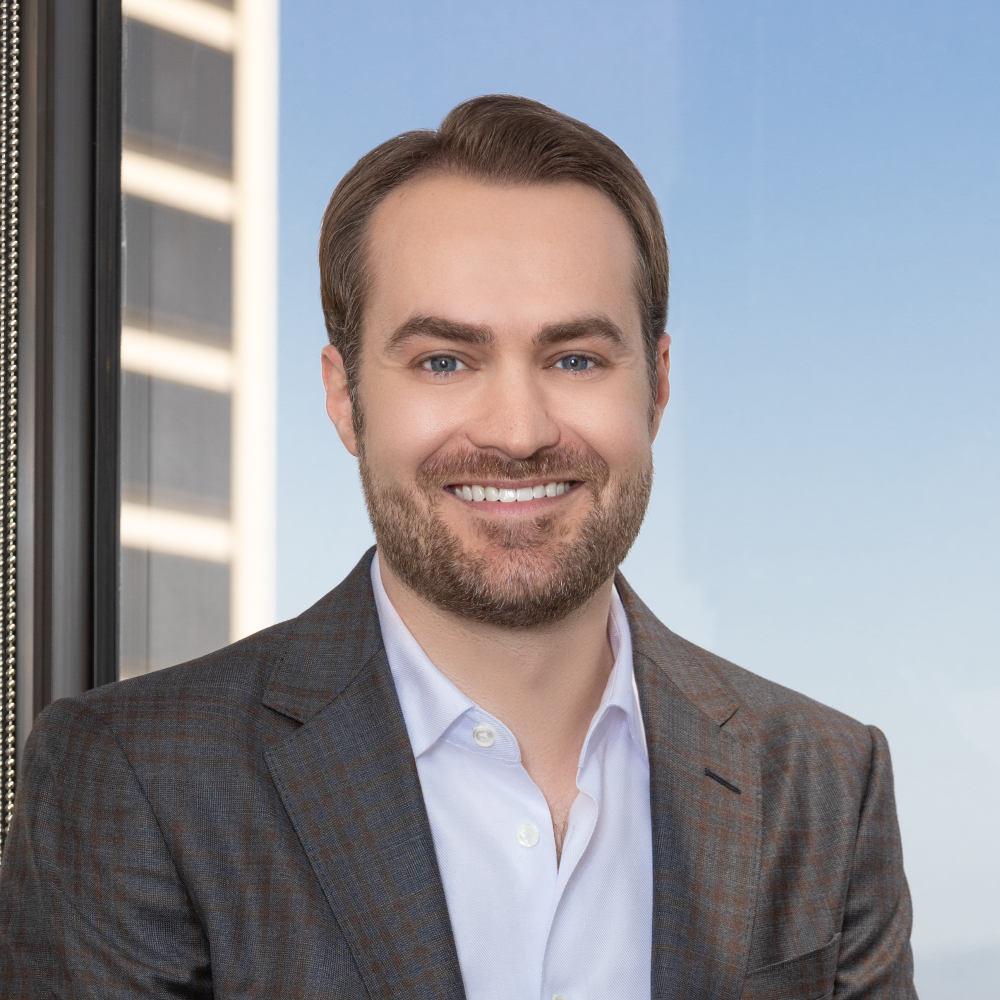
Phil Santoro is a Co-Founder of Wilbur Labs, a startup studio that turns bold ideas into market-leading companies.