
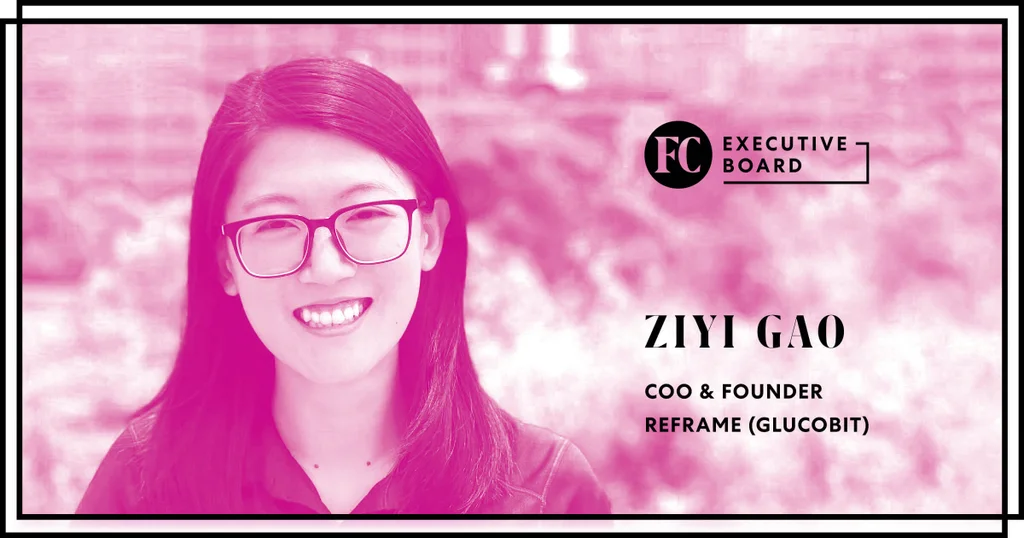

Between meeting with potential investors, tracking metrics, hiring new team members, and a million other responsibilities, life can get hectic for startup founders—and the stress can quickly add up.
To cope with that stress, founders might turn to alcohol. According to a 2022 study, stressful experiences “are important risk factors for excessive alcohol consumption” and alcohol use disorders. But Ziyi Gao, the co-founder and COO of Reframe, an app that helps people reduce or stop their alcohol consumption, urges founders to try dry January or damp January—and then to consider keeping those good habits going all year.
“Starting and running a business is hard, and as founders, we’re always seeking ways to improve our productivity and performance,” Gao says. “Participating in dry or damp January can help you improve your health and mental clarity.”
THE DRAWBACKS OF ALCOHOL
Gao explains that it can be easy to reach for a can of beer or a glass of wine during stressful times.
“Our community, the founder community, is often overwhelmed,” Gao says. “It’s understandable that we can come to view alcohol as a quick fix. Plus, drinking can be a prevalent part of the culture at some startups. If alcohol is readily or easily available, it’s no surprise that we might be inclined to drink in the hopes of alleviating stress.”
She adds that drinking alcohol might feel good in the moment, but after the “temporary high” wears off, reality sets in.
One alcohol-related problem, especially for already sleep-deprived founders, is the way it negatively impacts sleep. In fact, a 2018 study noted that alcohol “intake disturbs cardiovascular relaxation during sleep in a dose-dependent manner in both genders.” Moreover, according to the 125th volume of the Handbook of Clinical Neurology, alcohol “acts as a sedative that interacts with several neurotransmitter systems important in the regulation of sleep. Acute administration of large amounts of alcohol prior to sleep leads to decreased sleep-onset latency and changes in sleep architecture early in the night, when blood alcohol levels are high, with subsequent disrupted, poor-quality sleep later in the night.” And the various effects of poor sleep are well-documented—difficulty focusing and feeling more frustrated are two potential consequences, according to the National Heart, Lung, and Blood Institute.
Then there’s the impact alcohol can have on mood. British charity Alcohol Change UK explains that when we initially begin “drinking alcohol, our bodies produce extra dopamine” (the brain’s primary “feel-good” chemical), but in the “longer-term, the body becomes used to the dopamine boosts it’s getting from alcohol, and starts making less dopamine to compensate.” This quickly becomes problematic because “if drinking becomes a habit, we may become dopamine-deficient,” which can lead to sadness and depression.
Gao says that Reframe users learn about the ways alcohol affects bodies and brains. She encourages founders to educate themselves about the downsides of alcohol.
“Once you learn about alcohol’s negative impacts, you won’t look at it the same way anymore,” she says.
HOW FOUNDERS MAY BENEFIT FROM AN ALCOHOL RESET
Some Reframe users are startup founders. Like those users, if other founders self-reflect and realize that drinking is causing issues, Gao explains, they can press the “reset” button by participating in dry or damp January.
“Dry January or damp January challenges are great opportunities for founders to take a step back and reevaluate their relationship with alcohol,” Gao says.
She emphasizes that founders are likely to see several benefits during that reset.
“Drinking less, or not drinking at all, can help you sleep better, and when you sleep better, you improve your focus and productivity, leading to mental clarity and better decision-making,” Gao says. “You can also improve your physical health by reducing or eliminating alcohol.”
Gao points out the possible benefit of improving professional and personal relationships as well.
“Founders constantly interact with other people, including investors, peers, and employees,” Gao says. “And outside of work, founders have friends and family. One benefit of drinking less or not drinking at all is a more stable mood, which sets the stage for better relationships at work and home.”
WHY FOUNDERS SHOULDN’T LOOK FOR PERFECTION WHEN CHANGING THEIR DRINKING HABITS
When changing drinking habits, Gao urges founders to approach the journey day by day.
“You’re building a new lifestyle, and that takes time,” Gao says. “It’s not an instant shift.”
Nor should it be—Gao warns that quitting alcohol “cold turkey” can be dangerous, even fatal, and that people should take medical advice from doctors and other healthcare professionals seriously.
In the process of scaling back gradually over time, Gao says, founders should reflect on the stressors that make them want to drink.
“Drinking is just a symptom of an underlying issue or issues in your life,” Gao says. “Figuring out why you’re inclined to drink will help you find alternative coping strategies, such as exercise or meditation.”
She also emphasizes the importance of community and urges founders to seek other people trying to drink less or quit altogether.
“Being a startup founder can be very isolating,” Gao says. “A lot of founders can struggle with loneliness. By connecting with people on a similar journey, founders can develop new drinking habits that work for them—and run their companies even more effectively than before.”
The information provided here is not intended as medical advice, diagnosis, or treatment. You should consult with a qualified healthcare provider for advice concerning your specific situation.