

In this increasingly digital world of ours, interactions that used to take place face to face are often reduced to impersonal messages, texts, or emails. Even peers working in the same office building tend to communicate through Slack or Microsoft Teams rather than walking down the hallway to chat with one another. What we’re seeing across numerous industries is an increased focus on efficiency and convenience, but an overall disregard for one of the most fundamental aspects of the real estate industry: human connection.
When the human touch is lost, so too are chances to build trust. As a professional who has worked in commercial and residential real estate for over five decades, I’ve witnessed firsthand the importance of retaining a human touch. This will likely never go away, and now, more than ever is the time to remind ourselves of this.
When it comes to maintaining that human connection, keep the following few points in mind.
PEOPLE WANT RELATIONSHIPS
I always remind myself that people want relationships, not just transactions. This is especially true in the real estate business, where trust plays a crucial role in closing deals and building lasting connections. Your clients want to be able to reach you through more personal means, not just email or text. They want to hear your voice, sit down with you in person, and even be able to read your body language when discussing the various details of buying, selling, or renting a property.
And here’s the downside of not interacting with someone in those personal ways: it says that you only care about the transactional side of things. You don’t want your clients to feel like ATMs—you want them to feel like human beings.
TRUST: THE CORNERSTONE OF REAL ESTATE SUCCESS
Trust is the foundation of a successful real estate transaction, whether you’re selling, buying, or partnering. Without trust, deals can fall apart, and opportunities can vanish. Investing in personal relationships and demonstrating empathy and respect go a long way in building trust.
But how specifically might a real estate agent go about establishing a bond of trust with a client? Here are two ways that I recommend:
1. Always Listen And Show Empathy
Much of listening and building empathy boils down to body language, which we can only show in person. Smile, nod, and show concern for their interests when your clients speak. Ask follow-up questions and answer their questions in detail. Make it clear that you are listening to them.
2. Check In On Them
Clients always have concerns. They want to know how a property price fluctuates, whether a proper background check on a home has been conducted, and how their offer compares to other offers. It is vital to stay in touch and respond to their queries promptly. And not just via email; if they want an in-person meeting, make it happen.
APARTMENT RENTALS: PERSONAL CONNECTIONS MATTER
These days, I primarily work in apartment rentals, a field in which personal connections are paramount. Why would someone choose to rent an apartment in one of my communities? Because I make them feel heard, understood, and valued. In doing so, I can reduce turnover and increase profits, two essential tenets for the success of our rental properties.
To build personal connections, we train our property managers with lessons adapted from the renowned Four Seasons Hotels. We create a more welcoming atmosphere through personalized service and activities, such as hosting Fourth of July parties to make residents feel appreciated. We act in ways that show that they are doing us a favor by staying in our communities.
Another key in the real estate industry is never to lose sight of that service mentality. You want clients to feel like they are being catered to and even pampered.
LESSONS FROM COMMERCIAL REAL ESTATE
My experiences in commercial real estate have also shown me the value of human connection. I’ve had several instances where a personal touch made all the difference and ultimately led to long-term partnerships. Treating people you work with as individuals, understanding their unique needs, and genuinely caring about their concerns can lead to big payoffs.
For example, earlier in my career, I had one transaction in which two banks that I was working with left money on the table in the final documents that I could have gone after. But by declining to pursue that possibility, I was being good to my word. As a result, those banks were eager to partner with me on future deals.
CONCLUSION
Maintaining that personal touch in the real estate industry is crucial for building trust and maintaining solid connections as the world becomes increasingly digitized and impersonal. As real estate professionals, we must show up in person, continue communicating in personal ways, and show empathy to those with whom we do business. By making people feel valued, heard, and appreciated, we can grow our businesses, increase profitability, and stay ahead in this ever-changing industry.
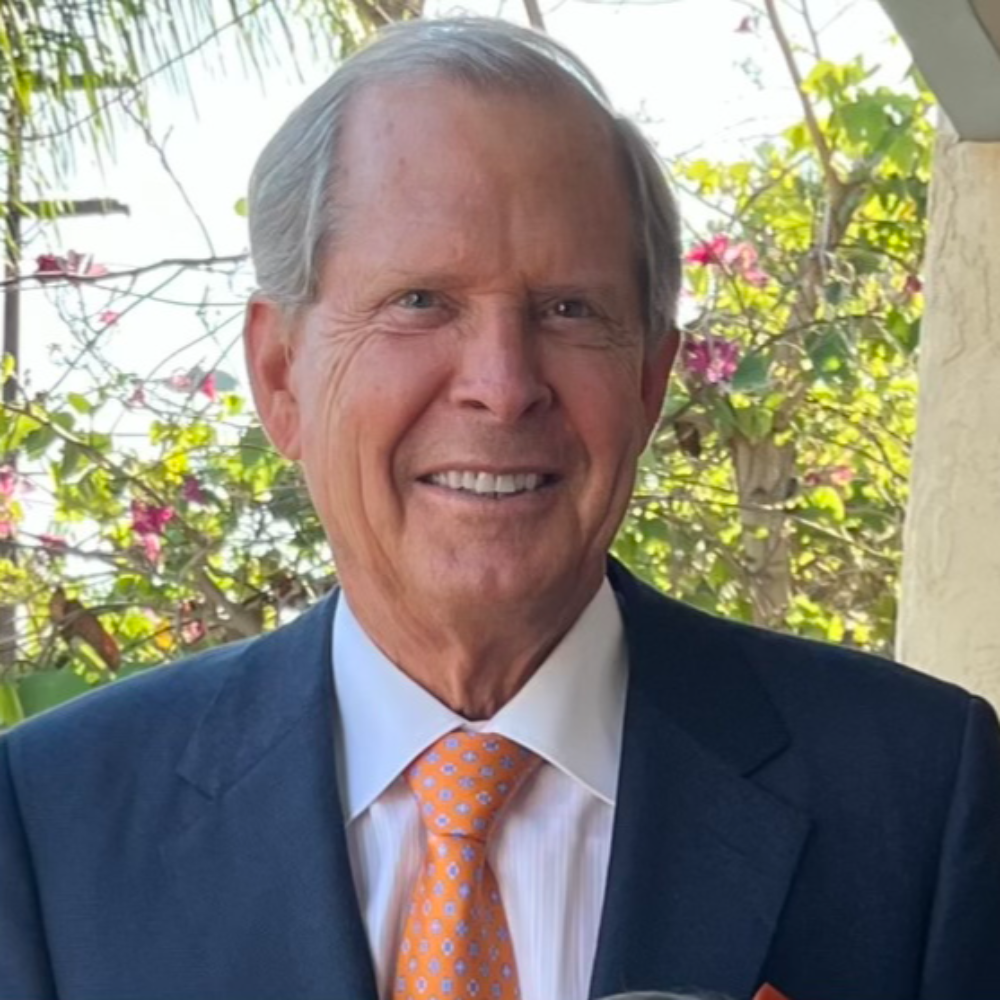
David Malcolm is President of Cal West Apartments and a community leader in San Diego with over five decades of work experience.