

As 2025 approaches, the tech landscape is undergoing seismic changes, influenced by global financial fluctuations, rising interest rates, and a real estate market in flux. Small businesses and enterprises alike are grappling with how to allocate limited resources.
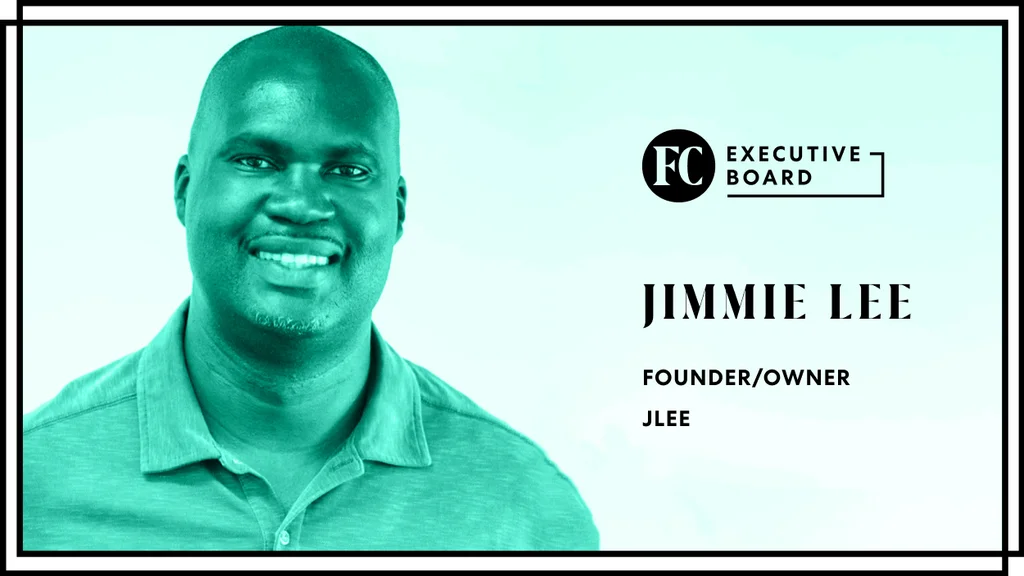
“Companies are trying to figure out how to spend their dollars more wisely,” says Jimmie Lee of JLEE & Associates. His advice to meet this challenge: Organizations need to move quickly but thoughtfully, balancing agility with caution and speed with responsibility.
SHIFTING GEARS
For years, the mantra of “move fast and break things” dominated business thinking, especially in tech. But as Lee points out, that mindset has shifted. “Companies realized they were often wasting money,” he says. “Now it’s about moving fast but trying not to break things.” That means today’s leaders are prioritizing governance, risk, and compliance (GRC) as foundational principles for sustainable growth.
Ethical AI, responsible use of technology, and minimizing environmental impact are all becoming key elements of innovation, Lee says, pointing to Fortune 50 examples like Apple, Walmart, and Tesla. By integrating sustainability into their operations, these giants are working to benefit both their bottom line and the broader community.
This cautious but forward-looking mindset isn’t just for big players, Lee says. “Many startups and small businesses are also asking, ‘How do we shift into 2025?’” The answer lies in embracing a balanced approach—scaling responsibly while building resilience against external shocks.
THE VALUE OF EXPERIENCE
For years, innovation meant betting on young talent with fresh ideas. But that’s no longer the only path, Lee says. “There is a growing realization that having a great new product alone isn’t going to generate revenue or save a company.”
Instead, companies are setting their sights on experienced leaders with proven track records. “They’re looking for leaders who are both generalists and deep experts,” Lee says. These seasoned professionals offer something irreplaceable: the wisdom to steer through crises, from supply chain disruptions to financial instability.
Expertise comes at a cost, of course. Senior executives are expensive, and not every business can afford a full-time leadership team. This has given rise to innovative staffing models that provide high-level expertise without the hefty price tag.
ENTER THE FRACTIONAL EXECUTIVE
To meet the need for expert guidance cost-effectively, many companies are turning to fractional and micro-tasking executives. These leaders are brought in on a part-time or project-specific basis to tackle specialized challenges. “Companies are realizing they only need people of that caliber for a certain period of time,” Lee says. “So they’re brought in to give advice, guidance, and hands-on expertise for a specific deliverable.”
For example, a micro-tasking executive might be hired for a three-month stint to close a critical deal or navigate a regulatory hurdle. This approach allows businesses to access top-tier talent without the commitment of a long-term hire.
The flexibility of this model is especially appealing in industries where rapid change is the norm. Fractional executives bring not only their expertise but also the ability to deliver results under tight timelines. And while some job sites are beginning to cater to these roles, most opportunities come through networks and word of mouth.
This trend also reflects a broader emphasis on governance. “Governance, risk, and compliance aren’t things a new person can figure out,” Lee says. “You need a seasoned pro who’s learned to succeed in navigating that terrain.” Fractional executives provide exactly that.
As the new year approaches, companies that can embrace sustainable growth, leverage experienced leaders, and adopt flexible hiring models will be the ones that lay the foundation for success, Lee says. “We need to get there fast, but without making a lot of mistakes.”