
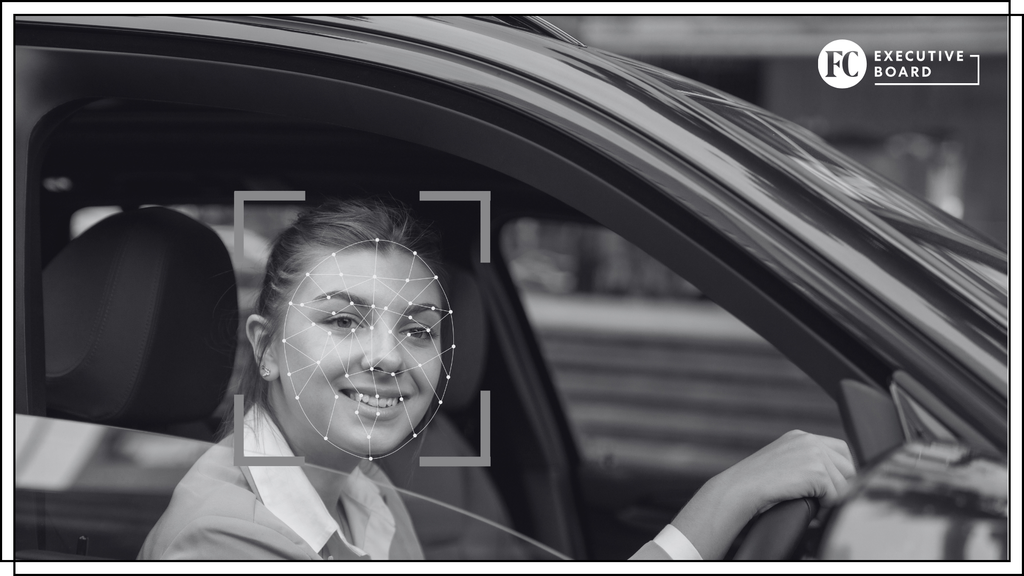

The workplace is awash in artificial intelligence. Every week brings new announcements: smarter learning platforms, faster content libraries, coaching apps that promise to democratize development. The story is always the same: more AI, more content, more scale.
But the uncomfortable truth is that none of it is working the way leaders hoped.
Billions have been spent on workplace AI, yet outcomes haven’t materially improved in a decade. Engagement scores remain stagnant. Leadership pipelines still falter. Training modules go untouched. Despite the avalanche of technology, employees and managers alike still struggle with the same question: How do I perform better in the moment?
That’s the real problem—and it’s the one today’s platforms aren’t solving.
WHY CONTENT IS A DEAD END
Most HR and leadership technologies are optimized for content delivery. They’re libraries of learning, dashboards of surveys, or portals of coaching assignments. They measure lagging indicators, including what happened last quarter, how someone scored last month, and how engagement looks in a snapshot survey.
These systems can tell you what went wrong after the fact. What they can’t do is tell you what’s happening right now.
Imagine coaching an elite athlete with last season’s stats instead of today’s heart-rate monitor. That’s essentially what leaders are doing when they rely on legacy platforms. They’re managing by looking in the rearview mirror.
And that’s why results haven’t moved. Content alone is a dead end.
THE NEXT FRONTIER: SIGNALS
The real frontier is found in signals.
Biometric intelligence is the ability to capture and act on the physiological and conversational signals that reveal readiness, stress, adaptability, and resilience. Instead of waiting for quarterly reviews or after-action reports, leaders can see how their people are performing in real time.
This matters because performance is never static. Employee performance fluctuates throughout the day and week. Some moments they’re primed for growth, others they’re at risk of disengagement.
Biometric intelligence surfaces those hidden dynamics and makes them actionable. For example, heart rate variability is an employee’s core measurable experience at any given moment.
While many factors can drain resilience, the question is which actions help employees bounce back.
WHY THIS IS A CATEGORY, NOT A FEATURE
This offers a fundamental shift—the creation of a new category.
Think of GPS. It transformed transportation and made new companies like Uber possible. Or think of sensors in cars, which redefined safety standards and performance expectations.
The same will happen with workplace technology. Once leaders experience biometric intelligence, returning to static content feels archaic.
At Fierce, we thought biometric intelligence was an important focus, so we developed Pulse to integrate biometric data with AI coaching. By pairing an in-app digital coach with live professionals, we can respond to the physiological and conversational signals of the moment.
With our smartwatches, heart rate variability combines with context (where you are and what you are responding to). Revealed patterns help the coach drill down into the areas that most impact the employee.
PROOF THAT IT WORKS
Skeptics might ask whether this actually works in practice. The answer is yes—and the evidence is building.
Korn Ferry research, coauthored with Pulse’s chief behavioral science officer, demonstrates that biometric insight measurably improves coaching outcomes. It’s the same principle elite athletes have known for decades: If you can measure it, you can improve it. The only difference is that now, the tools exist to bring those gains into the workplace at scale.
WHY INCUMBENTS SHOULD BE UNEASY
This should make today’s HR tech incumbents nervous. If your platform can’t see the moment—if it’s stuck measuring lagging indicators—it risks irrelevance.
History is littered with companies that missed category shifts. BlackBerry laughed off the iPhone. Kodak dismissed digital. Blockbuster underestimated streaming. They were made obsolete by competitors that changed the game.
The same risk looms over HR and leadership platforms that ignore biometric intelligence. They may continue to add content and polish dashboards. But if they can’t see and act on signals, their entire model will feel outdated—like a flip phone in a smartphone world.
WHAT LEADERS SHOULD DO
Forward-looking leaders should be asking three questions now:
1. Where are we still managing by lagging indicators? If you’re waiting until turnover shows up in reports, you’re already late.
2. What signals are we ignoring? Physiological stress, conversational tone, and adaptability are measurable today. The data is already there.
3. Who owns this category? If you’re not evaluating biometric intelligence, assume your competitors are.
THE FUTURE IS SIGNAL-BASED
The next decade of workplace AI won’t be defined by who owns the most courses, dashboards, or surveys. It will be defined by who owns the signals.
That’s what makes biometric intelligence an inevitability. Leaders who embrace it will unlock performance in ways content alone never could, while those who ignore it will soon wonder why their platforms feel obsolete.
Because the future of workplace AI is biometric intelligence.
Edward J. Beltran is CEO of Fierce.