

Think about a sports moment you experienced live at a stadium, arena, or ballpark. Even decades later, you remember exactly how it felt: the roar of the crowd, the strangers around you united in celebration or disbelief. Those core memories stay with us because they are more than entertainment. They are forged through shared human experiences.
As the world races toward an increasingly digital future in this age of artificiality, a parallel movement is emerging. People are placing greater value on experiences that bring them together in person, creating memories and a sense of belonging that cannot be downloaded or streamed. The desire for authentic connection is becoming more important than ever.
SOCCER AS CONNECTOR
Few events illustrate this shift better than the FIFA World Cup. The tournament is a global celebration of sport, but also a powerful demonstration of what could become one of the defining economic and cultural forces of the coming decades: growing demand for real, shared experiences.
The moments that define World Cup history are unforgettable:
- Diego Maradona’s “hand of God” goal and “goal of the century” in 1986
- Brazil defeating Italy in a tense penalty shootout in 1994
- Lionel Messi’s first-ever World Cup hat trick in 2026
Iconic moments dominate headlines. But memories are made from start to finish throughout the World Cup. Every four years, this global tournament demonstrates why gathering together for live events, specifically sports, will always be AI-proof—and why that matters for our social, cultural, and economic futures.
At the same time, the World Cup is a perpetual hub of innovation. For FIFA World Cup 2026, experiential advances powered by design and technology showed the world just how important it is to put shared experiences at the forefront and what can happen as a result.
DESIGN: THE INTENTIONAL ACTIVATOR
Designers working at the World Cup scale—in this case, 16 host cities across three countries—shouldered significant responsibility not just for the attendee experience, but also for the overall success of the event itself.
One example: FIFA Fan Festival. Held in local communities, these celebratory events were official gathering places for soccer fans throughout the duration of the tournament. To work, each festival needed to appeal to, engage, and delight a wide array of attendees. This is where experiential design met science, engineering, and psychology to ensure as many people as possible experienced moments that turned into cherished memories.
WHEN CULTURES COLLIDE
When we talk about sports being AI-proof, that extends from split-second moments to full-fledged stories. One poignant example unfolded just 45 minutes west of Populous’ headquarters in Kansas City.
Lawrence, Kansas, was the World Cup base camp for Algeria. A crowd of thousands welcomed the team to the city, beginning what the Kansas City Star’s PJ Green called “a whirlwind romance” that sparked artistic creation, spontaneous gatherings, and full-fledged support that, in just a few weeks’ time, captured international attention.
Fans of another Kansas City base camp team, the Netherlands, painted the city “Oranje,” introducing their traditions, like a pre-match march.
Everything that designers strive for when bringing people together for live experiences—emotion, connection, and memories—happened on scales both large and small during the 2026 tournament.
EXTENDING BEYOND THE STADIUM FOOTPRINT
Stadiums are often the core of a live sports experience. That will never change. And it shouldn’t. Yet what the FIFA World Cup showed us is that a meaningful introduction to the sport isn’t confined to a stadium.
Also incredible to see were the numerous local events—watch parties, rallies, and block party-style celebrations—that popped up, fueled by the tournament’s buzz and the biological imperative to be with other people.
TECHNOLOGY, AN EXPERIENTIAL ENHANCEMENT
Technology will never replace gathering in-person. Yet rapidly advancing innovations continue to make live event experiences more immersive and memorable. FIFA World Cup 2026 was the most technologically advanced installment of the event ever held, complete with AI, digital twins, and virtual and augmented reality.
For attendees, technological innovation continues to serve as an enhancement to live events, delivering more information, more access, and more ways to appreciate what’s happening in front of them. That also extends to social media. Now, more people than ever can share their own experiences with global audiences as they discover new foods and make friends. It’s digital proof that curiosity sparks connection and community. Technology helps document and deepen these experiences, but people gathering together is what creates them.
A holistic examination of the World Cup shows its true significance beyond attention-grabbing highlights. It lives in the collective energy of packed stadiums, fan festivals, and celebrations that unfolded across communities. Every four years, the tournament reminds us that people of every background and nationality are not simply looking for content to consume. They are seeking moments to share and experiences that make them feel part of something larger than themselves.
In that sense, the World Cup is much more than a sporting event. It is an important indicator of a broader cultural renaissance that is unfolding—one in which gathering and shared experience are increasingly valuable drivers of economic activity and social interconnection.
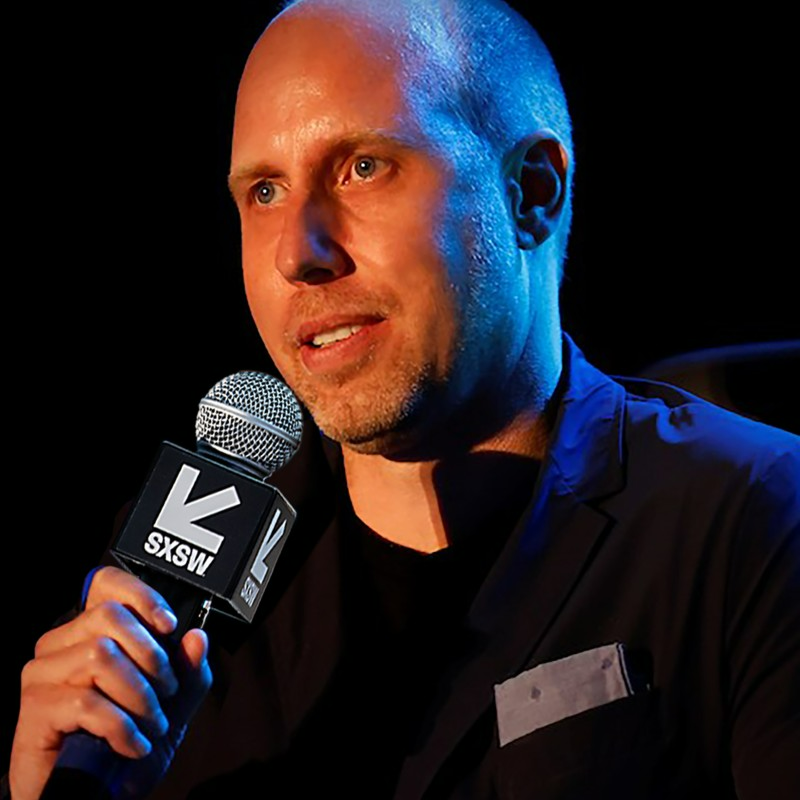
Brian Mirakian is senior principal of Populous.