

To increase brand loyalty, many company leaders are building incentive and recognition programs and products—and spending a substantial amount of money in the process. According to a 2022 study by the Incentive Federation Inc. (IFI), “84% of U.S. businesses spend $176 billion annually on award points, gift cards, trips and travel, merchandise, and experiential rewards to reward sales staff, employees, channel partners and customers.”
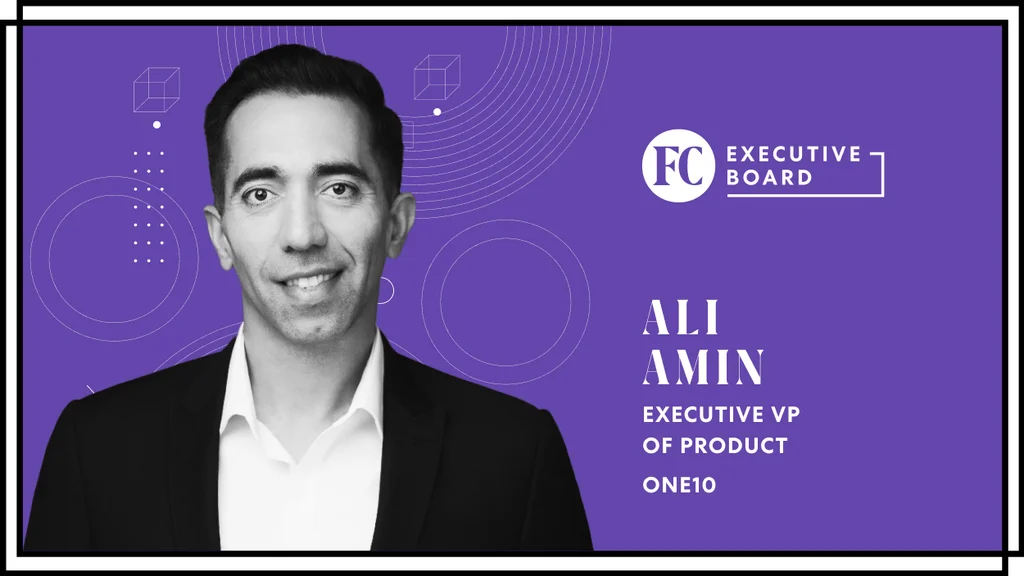
To ensure that their investments in incentive and recognition programs generate ROI, brand leaders should apply a customer-obsessed mindset when designing them, according to One10 executive vice president of product Ali Amin. One10, a long-time leader in the incentive and recognition industry, is the provider of PerformX, a proprietary incentive platform leveraged by Fortune 500 companies to build rewards and recognition programs that help them achieve their business goals.
“The success of the incentive programs we’re developing hinges on understanding the unique needs of our clients,” Amin says. “When launching a new feature, product, or program, we account for the client’s overall business goals as well as their team’s preferences.”
MOVING BEYOND GENERIC REWARDS AND RECOGNITION PROGRAMS
Amin emphasizes that if businesses want their rewards and recognition programs to positively impact participants, be they employees, customers, or channel partners, they need to move beyond one-size-fits-all solutions.
For instance, say a company designs a rewards program for its employees where the highest performers are given cash bonuses. What about the employees who value time over money? They would likely prefer an extra day of PTO, so a cash reward program might not resonate well with them. In turn, the program could cause some employees to feel company leaders aren’t addressing their desires, ultimately demotivating them—the opposite of the intended goal.
“Many companies have generic reward programs which don’t really help those individuals who are motivated by different goals and objectives,” Amin says. “We know from research we’ve partnered on with the Incentive Research Foundation that an individual’s preference in the type of award (for instance, experiences versus merchandise) will vary based on their career stage, so it’s imperative to a program’s success that offerings are diversified. People want relevant choices.”
BUILDING PERSONALIZED REWARDS AND RECOGNITION PROGRAMS
Amin and his team use a customer-obsessed mindset to build tailor-made incentive and recognition products and programs for their clients.
Doing so, he explains, starts with anticipating the needs of the people a given program is geared toward. When the One10 team begins working with a client, it takes time to understand how the client currently handles its incentive and rewards efforts, what’s working, and what’s not. In addition to learning the desires and pain points of clients, the One10 team researches those of its clients’ target participants and then segments those participants.
“We learn companies’ desires and current challenges,” Amin says. “By actively listening to them, we can provide features and programs that are tailor-made to the needs of their participants.”
When rewards and recognition programs are personalized, participants will find them relevant, Amin notes.
“In turn, the programs are much more effective,” he says.
USING DATA TO DRIVE BETTER RESULTS
Amin emphasizes that in implementing rewards and recognition programs, leveraging data is paramount. Company leaders, he says, should make decisions about the rewards and recognition programs they offer and update them as necessary based on data.
It’s not just historical data that company leaders should pay attention to, either. Amin stresses the importance of predictive analytics. PerformX gives clients a blend of both. Clients can track internal performance metrics, forecast future trends, and take strategic next steps for their rewards and recognition programs accordingly. For instance, using PerformX, company leaders can learn who the top performers are, whether the business is on track to meet revenue goals, and more. Employees and channel partners can get a clear picture of where they stand and how close they are to achieving their goals.
“Instead of focusing on building yet another report or another suite of reports, we decided to help companies get the answers they want in the fastest possible manner,” Amin says. “We give them data that we’ve gathered through AI. We are developing AI models that can give clients personalized answers quickly and effectively.”
Even with all of the historical and predictive data at their fingertips, Amin notes that it’s essential that company leaders still gather feedback from program participants. That’s something Amin and his colleagues at One10 work with clients to collect.
“When it comes to developing products and programs that focus on incentive and recognition, the feedback from the end user is often not accounted for,” Amin says.
That lack of a feedback loop can cause missed opportunities for clients to help participants move toward their goals faster. Feedback helps companies with another foundation for building and maintaining great rewards and recognition programs: emotionally connecting with participants.
“It’s very easy to think about the relationship between the participants of a program and an organization in a transactional manner,” Amin says.
But the reality, he explains, is that participants turn to these programs with their own goals in mind, such as working toward a promotion or getting free travel accommodations.
“When an organization rewards participants, it’s more of a reinforcing mechanism where they see that not only has the organization’s leadership understood what is important to them, but has also enabled them to achieve goals that might not have been possible without that program.”