
On a one-day shoot for a healthcare provider, we planned a 2-to-3-minute brand video, 10 short FAQ videos, two recruiting pieces, and professional headshots for the team.
Each asset served a separate business moment. The brand film introduced the organization to families. The FAQ clips answered individual questions in about 30 seconds. The recruiting edits spoke to prospective employees. The headshots gave the team a consistent visual identity across its website and other materials.
Because we defined those uses before the shoot, we could organize the interviews, lighting, camera coverage, and photography around the complete package.
This is a planning opportunity many companies miss.
A production day concentrates people, access, and budget into a few hours. The best time to decide how many useful assets it can support is before the crew arrives.
Treat a production day as a concentrated asset
Think about what has to line up for a shoot. The film crew, location, cameras, lighting, audio, subject matter experts, and approvals must all be ready at the same time. That level of coordination is expensive to replicate, especially for organizations with multiple locations or senior people whose schedules are hard to coordinate.
Leaders, ask early in the process: “How many distinct business needs can this production day serve without weakening the primary assignment?”
The answer should come from a practical inventory of audiences, uses, and delivery requirements:
- List every audience who needs the content, including employees, customers, recruits, partners, and event viewers.
- Give each planned asset one clear job, such as teaching a procedure, answering a buyer’s question, supporting recruitment, or carrying a live announcement.
- Confirm where each asset will live, who will approve it, any required permissions, and whether the project needs alternate formats or languages.
Those decisions affect the questions we ask, the way we frame interviews, the extra coverage we capture, and the graphics and edits we prepare.
Once the day is over, missing footage, permissions, or language planning can force a reshoot or limit how the material can be used.
One shoot, several strategies
Our compliance training project for a sports organization is a good example. Our assignment required polished educational content and edited Spanish and French versions. The language plan shaped production from the start because each version had to remain clear and visually consistent.
For credibility content, we usually need interviews and process footage that lets a buyer see the service’s people and environment, as in the healthcare provider’s main brand video.
For conversion content, shorter answers often work better. The 10 FAQ clips from that same shoot each addressed one question, making them easier to place beside relevant website or social content.
Recruiting content needs a different emphasis. The two recruiting edits presented the organization through a prospective employee’s experience, and the headshots created a consistent team presentation.
Live content places reliability first. For another client, we managed a press conference and its livestream. Our technical director and director of photography managed a 4K camera, two microphones, lighting, a laptop, and a capture card to deliver a clear, real-time broadcast for viewers outside the venue.
These examples used different crews and workflows because of different audiences and business outcomes. The common discipline was deciding what each asset had to accomplish before production began.
Invite your production partner into the plans
A strong client brief names the business problem, the audiences, and the places the content will live.
Then, a production company should point out options, risks, and efficiencies that are easy to miss from within the organization. One more interview, a second language, vertical framing, still photography, or a separate opening could create a useful asset at a reasonable additional cost.
Our experience across industries helps us recognize those opportunities. On the sports training project, multilingual delivery was part of the production plan. On the healthcare project, we scheduled the brand, FAQ, recruiting, and photography needs together. On the press conference livestream, reliability and clear online viewing drove the technical choices.
A good partner also knows when to protect the scope. Extra deliverables only make sense when the client has an audience, an owner, and a distribution plan for them.
Full leverage builds long relationships
When a client leaves a shoot with more usable business value than expected, the production relationship gets stronger. We learn the brand, the approval chain, and the distribution requirements. The next project moves faster and maintains a more consistent visual standard.
The right production partner connects the on-set decisions to the work the content does afterward. That’s how a single production day becomes a useful asset library that keeps working long after the crew leaves.
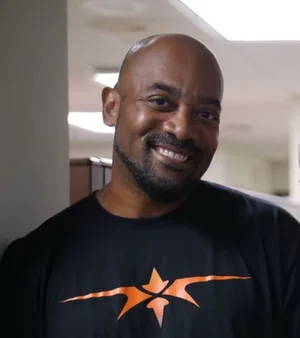
Tavares Beverly is the founder and CEO of Beverly Boy Productions.