

While drinking on the job is frowned upon in most business environments, alcohol has become a mainstay of modern corporate culture. Executives wine and dine clients to foster stronger relationships. Colleagues crack open a bottle of champagne or go out for happy hour to celebrate a successful project. Companies pay for open bars at holiday parties or team golf days. In many organizations, drinking at team events is seen as a way for employees to let their hair down, build camaraderie, and contribute to a fun, positive company culture.
But these seemingly lighthearted activities hide a much more serious reality. Even moderate drinking has harmful effects on individual health, and alcohol use is associated with a raft of negative workplace consequences, including absenteeism, high healthcare costs, impaired safety and productivity, and increased bullying and harassment claims.
A 2023 survey from the U.K.-based Chartered Management Institute found that 29% of managers reported seeing harassment or inappropriate behavior at work social events; 42% of respondents said “work parties should be organized around activities that don’t involve alcohol.”
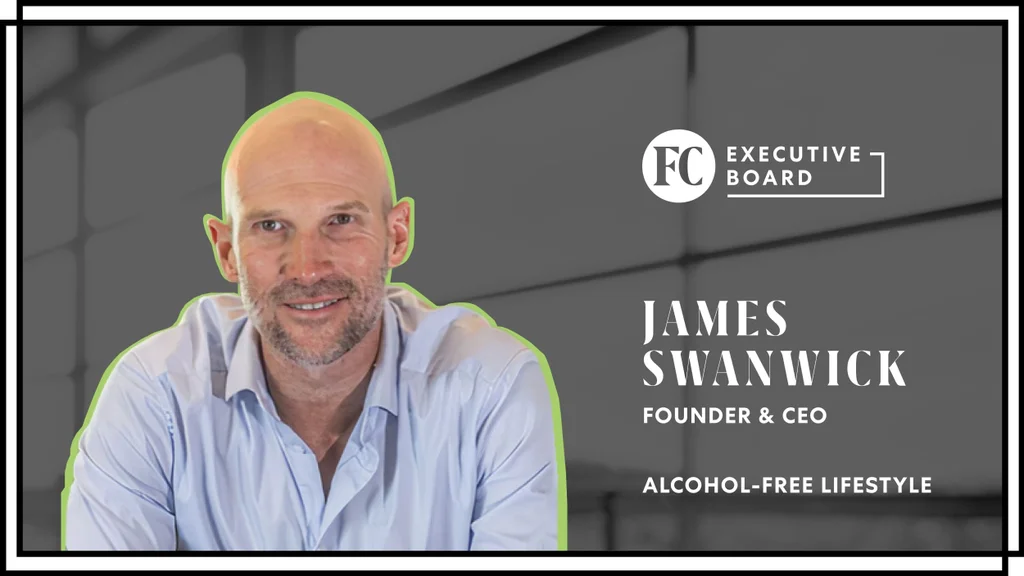
James Swanwick, founder and CEO of Alcohol-Free Lifestyle (AFL), is spearheading the movement to reshape corporate drinking culture. Swanwick created Alcohol-Free Lifestyle as a program to help individual entrepreneurs, executives, and other high achievers improve their relationship with alcohol. Participants in AFL’s personal development and executive mastermind program, Project 90, abstain from alcohol for 90 days while receiving expert coaching and learning evidence-based techniques to support healthy habits and goals. Now the company has started partnering with HR departments to offer Project 90 as an optional organization-wide challenge for all employees.
“We create a fun and aspirational 90-day stop-drinking process with organizations where employees are motivated to participate in a fun, judgment-free manner,” said Swanwick. “It’s presented as a fun exercise, as opposed to asking employees to self-identify as having a drinking problem. They can have a point system and give out prizes for hitting certain milestones. Colleagues support each other, and it creates a very collaborative, fun environment. We’re working with two large financial management companies that have tens of thousands of staff across the country. One program with about 250 employees is at about the halfway mark, and it’s been a huge success. Already the company is showing increased collaboration and camaraderie.”
Alcohol-Free Lifestyle’s Harvard- and Yale-educated coaches lead weekly group coaching calls on topics such as maintaining healthy habits, socializing alcohol-free at business events, optimizing sleep habits, and managing stress and anxiety. Program participants also learn techniques to manage challenging situations with colleagues in the workplace, including conflict resolution and conscious communication.
“These holistic health tactics cumulatively add up to an employee experiencing far less stress, anxiety, irritability, and frustration and instead replace these things with increased focus, collaboration, productivity, and job satisfaction,” said Swanwick. “And for HR departments, helping employees have a better relationship with alcohol can reduce staff turnover, increase revenue, and cut down on conflicts and harassment claims. Many harassment problems stem from work functions where alcohol is present, so you can significantly reduce those issues by creating functions that are alcohol-free.”
AFL recently hosted its annual retreat at a resort in Sedona, Arizona, flying in 45 clients for a long weekend of health-focused, alcohol-free activities. Retreat attendees spent time in nature, going hiking, meditating, and doing cold plunges. Yoga, gym, and pilates sessions were available every morning, and dinners at local restaurants featured special mocktail menus. Swanwick believes these types of corporate events are far more effective at achieving individual and company goals than functions centering on drinking.
“A lot of corporate employees mistakenly believe that they need alcohol to network or entertain clients or do business deals,” said Swanwick. “So we show them how, irrespective of whether someone else is drinking or not, you can still remain alcohol-free and create the same results, if not better. They also have the mistaken belief that if they don’t drink, they’ll be dull and boring. But we show them how being alcohol-free actually enables them to have much more fun and be much more interesting.”
Swanwick is confident that a growing number of individuals and organizations will begin to embrace an alcohol-free mindset as they see its myriad benefits.
“I see a fundamental shift happening in U.S. corporate culture,” said Swanwick. “They’re realizing that when they provide this attractively packaged poison to staff, they’re opening up a massive can of worms. I think that reducing or eventually eliminating corporate events featuring alcohol and replacing them with alcohol-free activities will become the norm. In two decades’ time, I believe we’re going to look back on providing alcohol to staff with the same level of disdain that we now have for smoking on the job. And because of this, I think companies are going to do increasingly well and see this change as an essential competitive advantage.”