
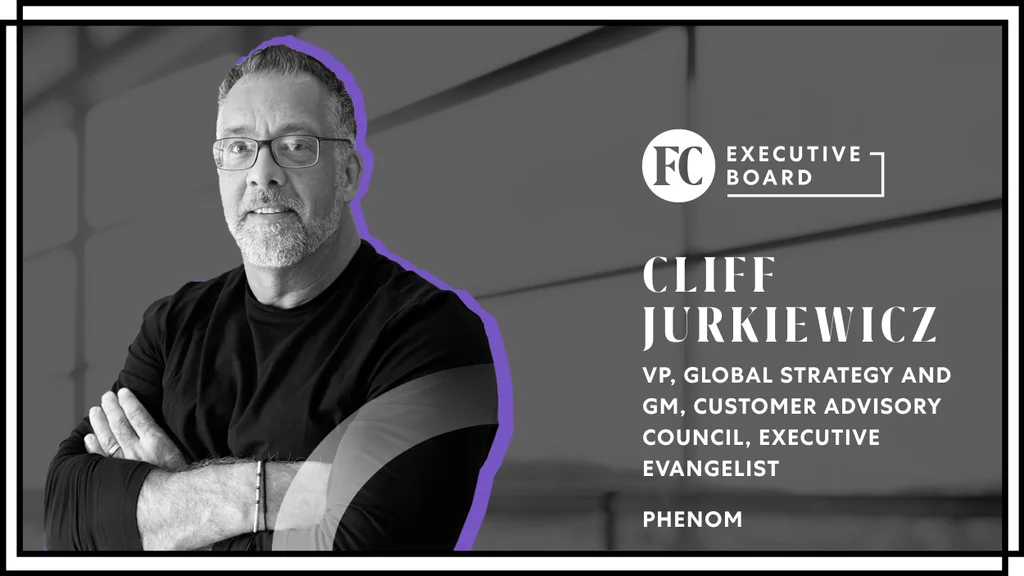

Artificial intelligence (AI) and skills are transforming how organizations measure success, pushing financial metrics into the background. “Financial reports show the past,” says Clifford Jurkiewicz, VP of Global Strategy at Phenom. “What really determines future success is your people, what they know, what they’re learning, and how they’re aligned with where the market is going.”
Investors are taking notice. Private equity firms are increasingly scrutinizing people analytics, particularly at the leadership level, as a predictor of long-term health. “If you don’t know your workforce’s skills inside and out, investors will see you as unprepared for the future,” Jurkiewicz warns. Companies that fail to align their talent with emerging trends risk losing relevance in fast-changing markets.
WHY SKILLS MATTER MORE THAN TITLES NOW
Traditional metrics for evaluating talent, like job titles or degrees, are becoming obsolete. “A job title tells you what someone is, not what they can do,” Jurkiewicz explains. Resumes and degrees often fail to reflect the depth or applicability of an individual’s abilities.
This shift toward skills-first thinking is reshaping how organizations operate. Amazon now uses AI and machine learning to identify skills in candidates and employees for some types of roles, thus skipping the standard CV or resume review process. Jurkiewicz uses a compelling analogy to explain why: “Think of the modern career path like a rock wall instead of the traditional ladder. On a rock wall, you can move across, up, or even down, as long as you’re gaining skills and creating value. It gives people options and puts control back in their hands.”
A McKinsey Global Survey highlights the urgency of this shift. Nearly nine in ten executives (87%) said their organizations either faced skills gaps currently or expected them to emerge within the next five years. Despite the importance of addressing these gaps, only one-third of organizations felt prepared to handle workforce disruptions from technology and market changes. Now, with the advent of generative AI in the workplace, the overwhelming need for reskilling efforts and innovative approaches to align people with evolving roles is becoming clear.
Retail, finance, and healthcare are some of the primary sectors Jurkiewicz sees taking part in this shift. “Each industry is evolving differently, but the common thread is the need to rethink how we align people with the work that creates value,” Jurkiewicz says.
AI’S ROLE IN IDENTIFYING SKILLS
The age-old process of collecting a resume often fails to communicate a person’s real abilities. “A typical resume or CV almost invariably highlights 15 to 20 skills or competencies,” Jurkiewicz explains. “Phenom’s artificial intelligence can identify 60 to 100 skills and competencies, even in the most entry-level individual coming into the professional market.”
AI looks at a person’s unrealized skills by finding competencies gained through patterns in education, experiences, and even hobbies. Jurkiewicz reflects on his unique skills developed through personal pursuits: “Flying has taught me resource management under stress, while live music performances have taught me improvisation. Personal skills like these are what we see AI helping people map to their professional roles.”
Jurkiewicz shares how airlines that use Phenom’s AI technology manage hiring at scale. These customers often receive tens of thousands of applications for one flight attendant role within hours of posting, and need to fill roles quickly. AI sorts candidates by competencies with automatic scheduling that guarantees no application is overlooked. “There is no way a human team could sort through 30,000 applications without some kind of bias involved, but AI can do it in minutes,” Jurkiewicz explains.
THE JOB DESCRIPTION BECOMING A RELIC OF THE PAST
Jurkiewicz believes job descriptions will be irrelevant within five years, replaced by skills-based frameworks that are more adaptable. “Dynamic frameworks allow companies to understand not just what someone can do today, but how their skills evolve over time,” Jurkiewicz says.
The traditional job description, once the cornerstone of hiring and workforce management, is quickly losing relevance. “Job descriptions were created to make payroll easier,” Jurkiewicz explains. “They group people into bands based on experience, but they don’t reflect the complexity of modern work.”
Skills-based frameworks can transform organizations’ talent management strategies. They allow companies to match employees with roles based on their full range of capabilities, rather than restricting them to predefined job descriptions. By enabling talent to move fluidly across projects and departments, companies can respond more quickly to changing market demands.
FOUR THINGS AI CAN LEARN ABOUT YOUR ORGANIZATION
AI’s value isn’t limited to skills-based recruitment. Jurkiewicz highlights four additional insights AI provides about an organization:
1. What you’re good at. AI maps out the skills and competencies your organization already excels in.
2. What you’re learning. AI tracks development efforts across individuals and teams.
3. What skills you need. AI identifies gaps between your workforce’s capabilities and the roles you’re trying to fill.
4. What’s happening in the market. Cross-referencing internal reports with external trends allows you to predict which skills will become critical in the near future.
The investment landscape is shifting as people metrics become a leading indicator of long-term success. Jurkiewicz sees this as an inevitable response to how generative AI is reshaping the market. Organizations need to ask themselves tough questions: Are they equipping their workforce with the skills to adapt? Are they anticipating the opportunities and challenges that lie ahead? According to Jurkiewicz, the companies that will succeed are the ones willing to prepare before the market forces their hand. This shift isn’t really about competition. It’s redefining what organizations need to be ready for the future.
HOW LEADERS CAN ACT NOW
Jurkiewicz advises leaders to start with an honest assessment of their organization’s skills and gaps. “If you don’t know where you stand today, how can you plan for the future?” he asks. Tools that map workforce skills and identify areas for improvement are how the largest organizations today are ensuring they’ll be around tomorrow as well.
But at the end of the day, successful initiatives focus on employees, not only their data. “Ask employees what they want to learn, what barriers they face, and how you can help them grow. Involving them creates buy-in and helps align their goals with your organization’s future.”
Jurkiewicz emphasizes innovation is critical for organizations’ future success. “The real difference, though, is not just planning on innovation, it’s putting it into action. We refer to this as ‘translation’ — or actualizing innovation. This is how companies create a culture of innovation — ready for whatever shifts in technology come next.”