

How can company representatives leave a desirable impression when attending the annual conference circuit, whether on-site or virtually? Designing merchandise giveaways that speak directly to the brand’s mission and core values is one way to attract the attention of conventiongoers, but it can’t be run-of-the-mill items that will end up in the trash (or disregarded online) at the end of the day. That would be a poor return on investment.
Instead, lean toward sustainable products that have the biggest potential to come in handy for attendees—same time next year. Below, 11 Fast Company Executive Board members share best practices for how to use merchandise opportunities to build brand awareness and why it works for them.
1. ENSURE THAT IT REINFORCES YOUR BRAND’S VALUE PROPOSITION.
If you can’t think of something that ties to your core theme, messaging, or product differentiator, skip it. Don’t waste your money on something that conferencegoers will want, but does not translate to your value proposition. Does your product improve visualization? Think eyeglass cloth or penlight. If your merch doesn’t reinforce your key takeaway, you’ve just thrown money away. – Lisa Bichsel, Bichsel Medical Marketing Group
2. CONSULT WITH DESIGNERS TO CREATE SUSTAINABLE ITEMS.
We advocate for sustainably sourced, high-quality items for us and our clients. The days of broken pens and keychains that end up in the trash are gone (or should be). The most successful items we’ve had were tumblers, drink kits, and travel kits for the flight back. Sustainability is important, but a quality design also goes a long way. It’s important to always consult designers before printing. – Daria Gonzalez, Wunderdogs
3. THINK ABOUT THE IMPACT IT CAN HAVE ON SALES AND EMPLOYEE RECRUITMENT.
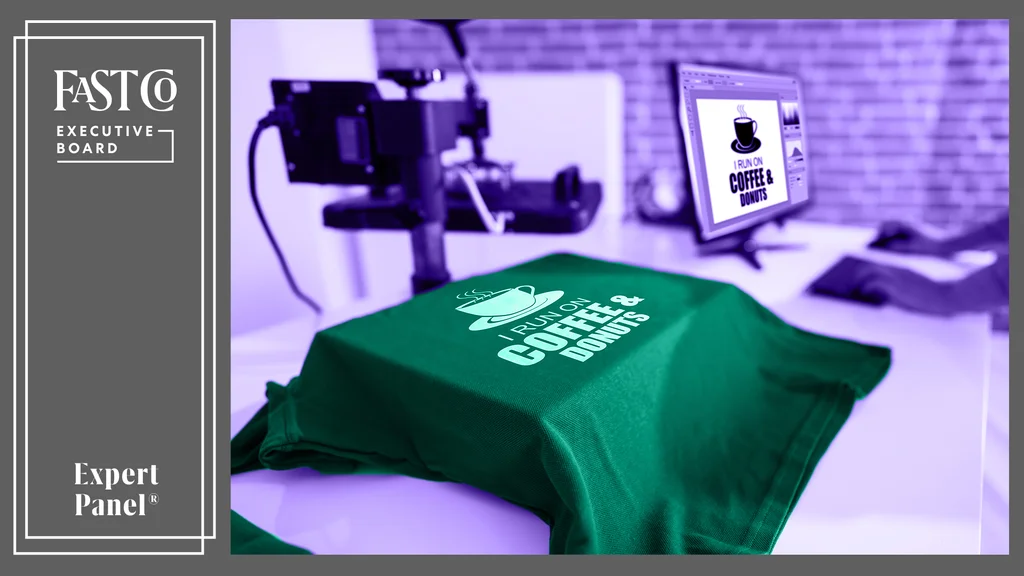
Creating merch to promote your brand can positively impact sales, but it can also serve as an effective employment branding tool. A very fast-growing e-commerce company I previously worked for decided early on to make branded shirts freely available for anyone and everyone who wanted one—employees and non-employees alike. The shirts were everywhere and created a distinct recruiting competitive advantage. – Brandon Rigoni, Gallup
4. KEEP THE NEEDS OF YOUR AUDIENCE IN MIND.
First, ask: “What would your audience want to buy, keep, use, and even show off to others?” Then, connect it to your brand message. Your logo need not be glaringly staring someone in the face constantly. We gave away black turtleneck sweaters one winter season for a dandruff shampoo (our message: never worry about flakes again), with the logo subtly printed on the inside tag. It was a huge hit! – Keka DasGupta, Art of Life-ing
5. MAKE IT MEMORABLE AND RELEVANT.
We don’t cut corners on swag. That doesn’t mean we’re extravagant either. Last year we had branded winter scarves with custom cards that said, “It’s a wrap.” Our clients told us their kids and spouses stole them. Before that, we had branded socks with tags congratulating them on their smart feet for the actions they took. We still get asked if we have extras. Make it memorable and relevant. – Loren Greiff, Portfoliorocket
6. BE THOUGHTFUL AND ORIGINAL.
I try to steer away from ordinary conference merch—like notebooks and pens—and lean toward something creative and different. My company is in the logistics technology space, so, for example, I give away mini-branded shipping containers that are used as desk organizers along with branded Popls (digital business cards) instead of traditional business cards. – Toni Ann Careccio, PortPro
7. CONSIDER IT AN OPPORTUNITY TO BRING YOUR BUSINESS MISSION TO LIFE.
Creating merch is an opportunity to bring our mission to life in a meaningful way. It’s not just about a logo; we want the merch to reflect something about our company that will resonate with people. As an educational company focused on high-performance training, we recently created notebooks with motivational quotes in them. This simple detail reflects our values in a tangible way. – Liza Streiff, Knopman Marks Financial Training
8. DEVELOP EYE-CATCHING MERCH THAT CAN BE SHARED ON SOCIAL MEDIA.
Focus on creating merch that is eye-catching and will encourage people to share on social media. This can help your brand stand out and may also lead attendees to seek out your brand. – Kelley Higney, Bug Bite Thing
9. TRUST YOUR GUT—GO OLD SCHOOL.
Don’t be afraid to trust your gut. For example, many of us these days are often glued to our phones or laptops, constantly waiting for updates or giving updates about something. Something old-fashioned, like one of those manual mental puzzles that you need to unlock, might be a conversation starter because it’s not digital, unlike what most things seem to be turning into these days. – Zain Jaffer, Zain Ventures
10. MAKE SURE YOUR MERCH MATCHES THE BRAND’S PERSONALITY.
Every brand has a personality, so make sure your merch matches yours! Choose colors and fonts that evoke the spirit of your brand to help you to stand out. Collaborations with customers are also a great way to creatively showcase your partnership together. And always keep your customers in mind—that could mean expanding beyond apparel into branded office supplies, home goods, or even pet toys. – Sara Varni, Attentive
11. ENSURE THE MERCH WILL INTEGRATE INTO THE RECIPIENT’S DAILY ROUTINE.
Cool, usable, and relevant swag extends the life of your brand exposure and constantly reminds you of your brand. The best type is the one that can integrate into the recipient’s routine, whether it’s something they can wear, like a well-designed T-shirt, or something they can use regularly, like a reusable water bottle or a high-quality backpack. This ensures the brand continues to resonate. – Goran Paun, ArtVersion